What is a Vatech CT scan?
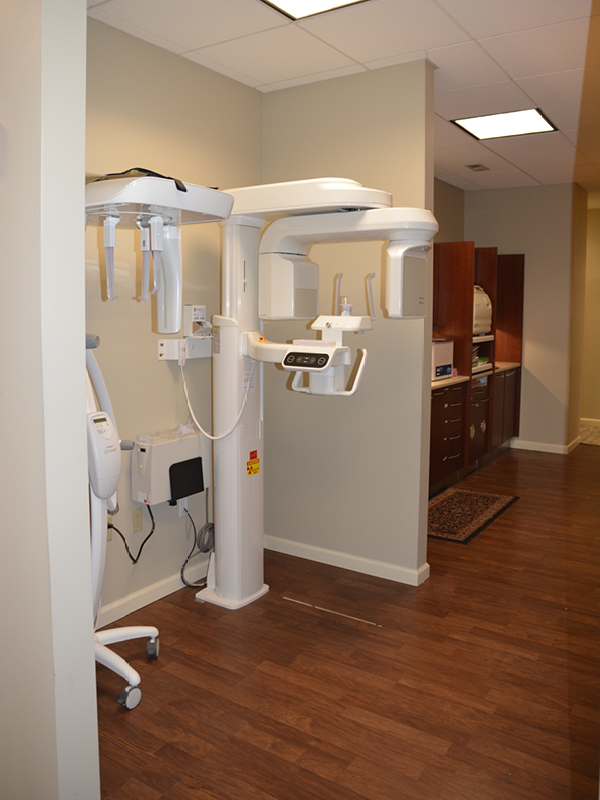
It is a dental cone beam CT scan taken on a Vatech imaging unit. The unit's arm makes one rotation around your head and builds a 3D model of your teeth, jaws, nerves, sinuses and jaw joints. We use it when a treatment decision needs more detail than a flat X-ray can give.
How is a dental CT scan different from a regular dental X-ray?
A regular X-ray is a flat image, so roots, bone and nerves overlap on top of each other. A CT scan separates them into a 3D model that can be rotated and sliced in any direction. Routine checkups still use standard X-rays, and the 3D scan is saved for questions they cannot answer.
Does the scan hurt, and will I be enclosed?
No. You stand or sit in an open unit with your chin on a rest while the arm rotates around you. Nothing touches your teeth and there is no tunnel to lie in, which many patients who dislike hospital scanners find reassuring.
How long does a dental CT scan take?
The rotation itself typically lasts less than a minute. Positioning takes a few minutes more, and the images are usually ready to review on our monitor shortly after.
Is a dental CT scan safe?
A CT scan uses X-rays, so it is recommended only when the 3D detail will change a diagnosis or treatment plan. The scan is aimed at the teeth and jaws rather than the whole body. Please tell us before any imaging if you are or might be pregnant.
Do I need a CT scan before dental implants?
A 3D scan lets us measure bone height and width and locate the nerve and sinus before choosing an implant's size and position. Dr. Silva will explain whether your case calls for one at your consultation. It is also common before bone grafting and the removal of impacted teeth.
Is a 3D dental scan covered by insurance?
Coverage depends on your plan and the reason the scan is needed. We are in network with all PPO dental insurance plans and do not accept Medicaid. Payment plans are available, and patients without insurance can use our dental savings plan.
Can a CT scan help with TMJ or sleep apnea treatment?
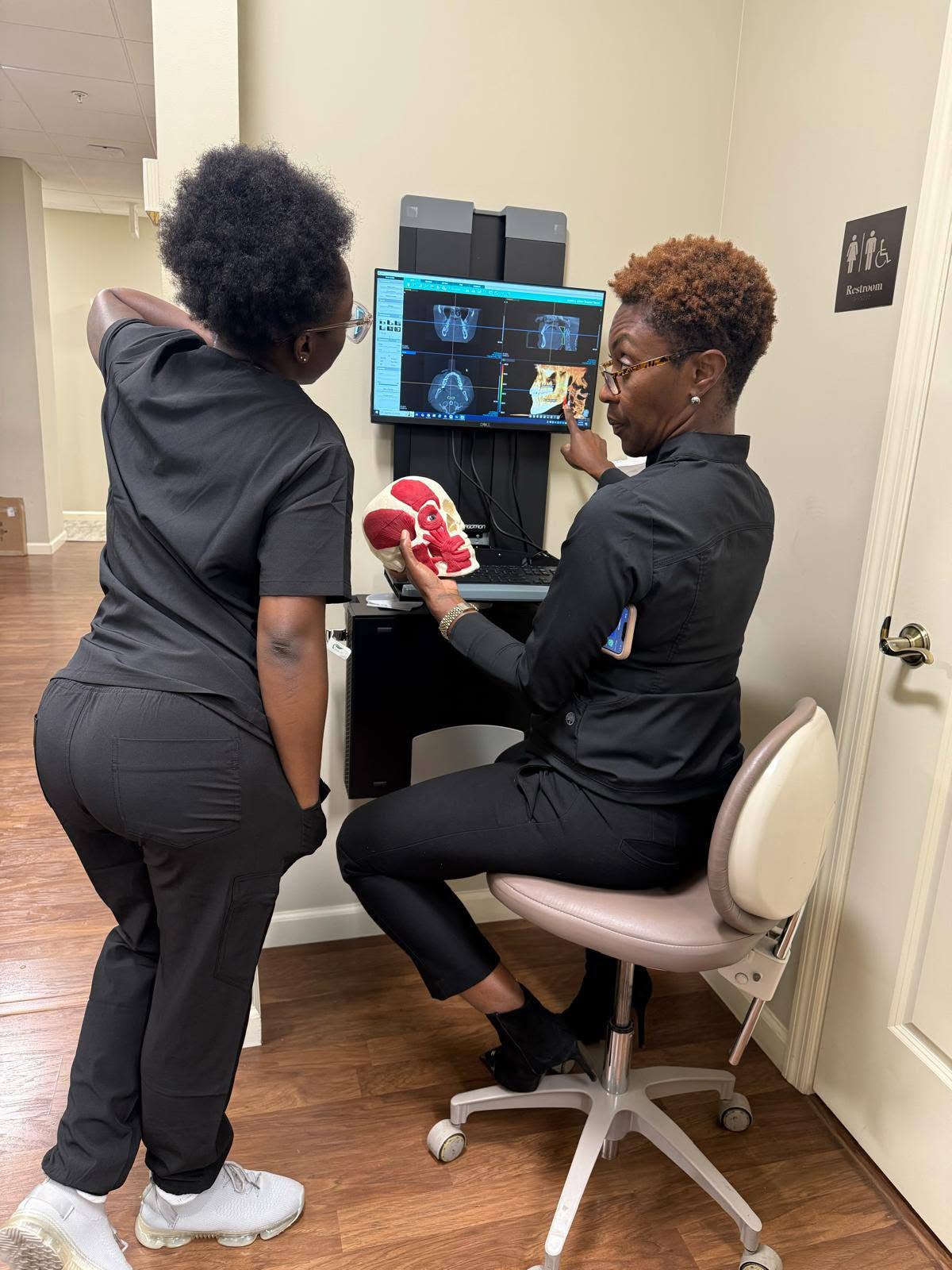
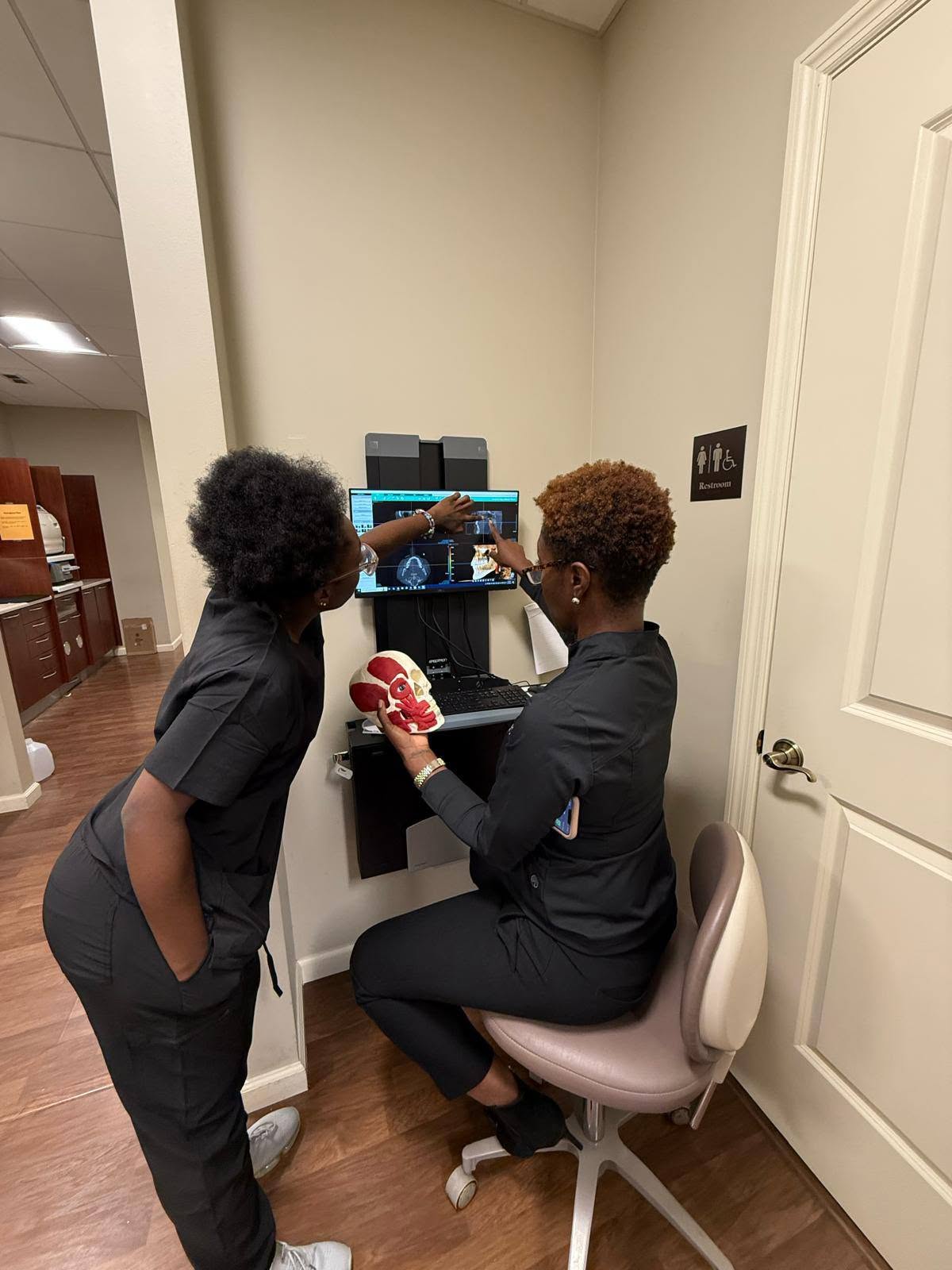
Yes, it can add detail to both. A 3D image shows the jaw joints more clearly than a flat film, and it can include the airway behind the tongue and soft palate. Dr. Silva completed a TMD Residency and holds a diplomate in dental sleep medicine, and she reads the scan with those areas in mind.

 Dr. Nelly Silva, DMD