Gum disease treatment, gum surgery and bone grafting with our periodontist, in the same office where your implants are planned and restored.
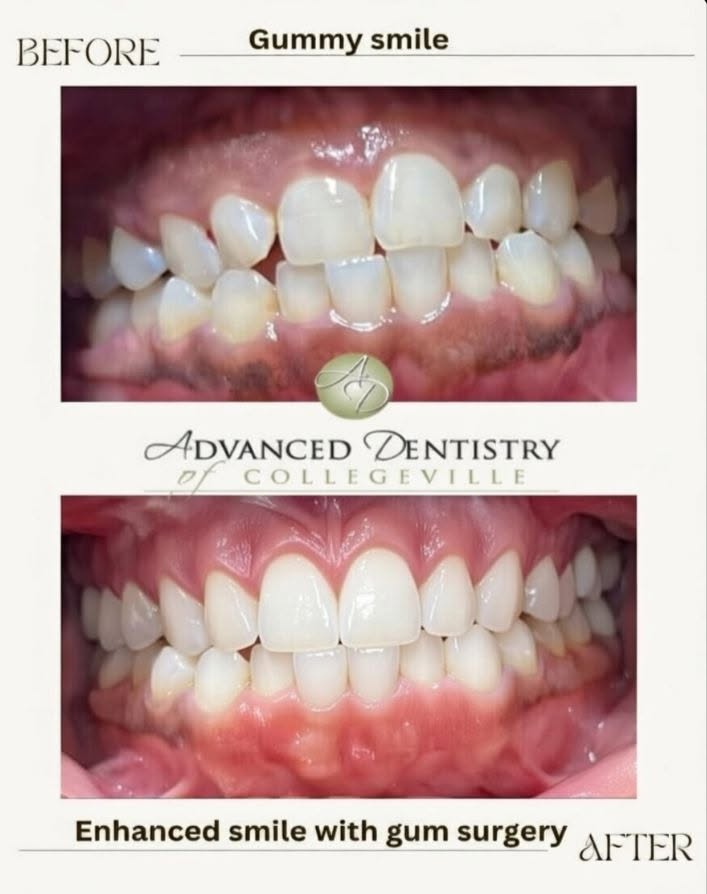
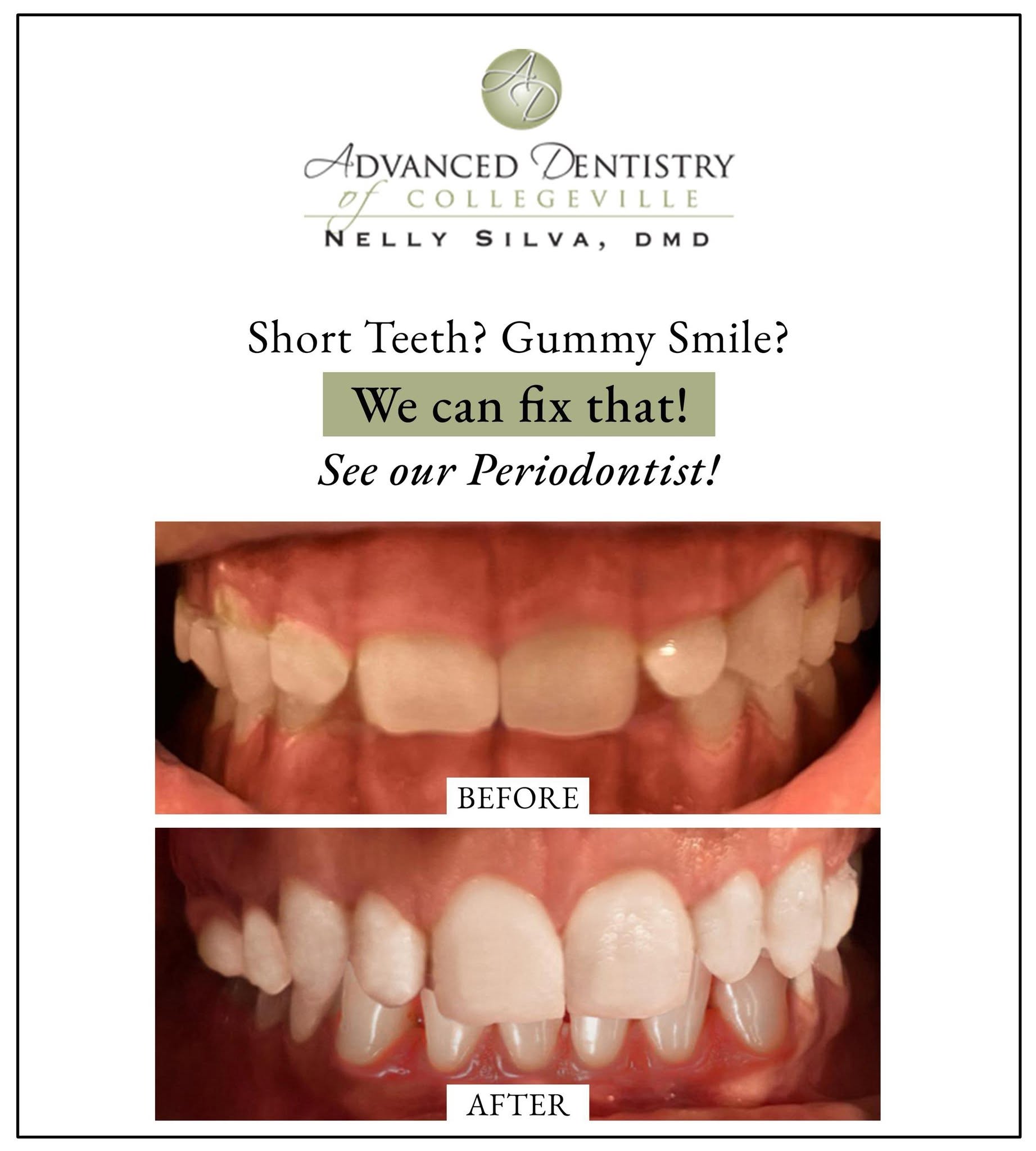
Both smiles were treated here. Reshaping the gumline uncovered teeth that were hidden under extra gum tissue.
Periodontics is the dental specialty focused on the gums, jawbone and ligaments that anchor each tooth. Plaque left along the gumline hardens into tartar, and its bacteria inflame the gum and loosen its attachment.
The gap between tooth and gum then deepens into a pocket a toothbrush cannot reach. Healthy pockets measure about 1 to 3 millimeters.
Red, puffy gums that bleed when you brush. A thorough cleaning and better home care can reverse it.
Pockets deepen and bone begins to recede. Deep cleaning below the gumline is usually the first step.
Bone loss loosens teeth and can end in tooth loss. Surgery, grafting or implants may be needed.
Early gum disease rarely hurts, so many patients first hear about it at a cleaning. Book an evaluation if any of these sound familiar.
Treatment follows the stage of the disease. Early cases usually respond to non-surgical care; surgery is kept for what cleaning cannot correct.
A deep cleaning of the roots below the gumline so the gum can reattach. Stubborn pockets can also receive Arestin, an antibiotic placed directly inside them.
A dental laser removes infected tissue from inside the pocket.
For pockets that stay deep after cleaning, the gum is folded back, the roots cleaned and the tissue secured snugly.
New tissue covers roots exposed by recession and evens out the gumline.
Graft material and membranes help rebuild bone that disease has destroyed around a tooth.
Removing extra gum tissue exposes more of a tooth, correcting a gummy smile or making room for a crown.
Rebuilds jawbone that shrank after tooth loss so an implant can be placed.
An implant needs enough bone to hold. A 3D image from our in-office Vatech CT scan shows how much you have before we choose a graft.
| Graft | Source | How it works | Second site |
|---|---|---|---|
| Autogenous | Your own bone, often the jaw or chin | Living cells form new bone directly | Yes |
| Allogenic | Processed donor human bone | A scaffold your own bone grows into | No |
| Xenogenic | Bovine bone processed at high heat | A scaffold, similar to an allograft | No |
| Graft substitutes | Bone matrix, composites or bone proteins | Supply factors that support bone growth | No |
Scaffold grafts spare you a second site but can take longer to fill in than your own bone.
Gum care, implants and everyday dentistry happen in one office, with shared records and X-rays.
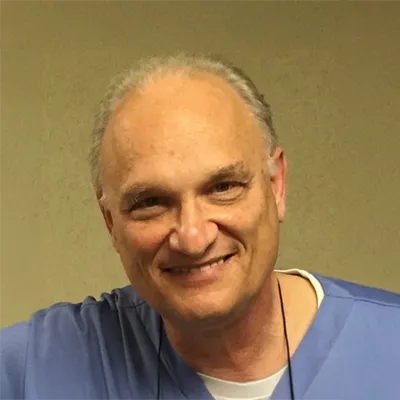 Dr. Michael Strassberg
Dr. Strassberg is skilled in all aspects of periodontics, from deep cleaning to gum grafts and bone grafting. He enjoys building lasting relationships with his patients and our team.
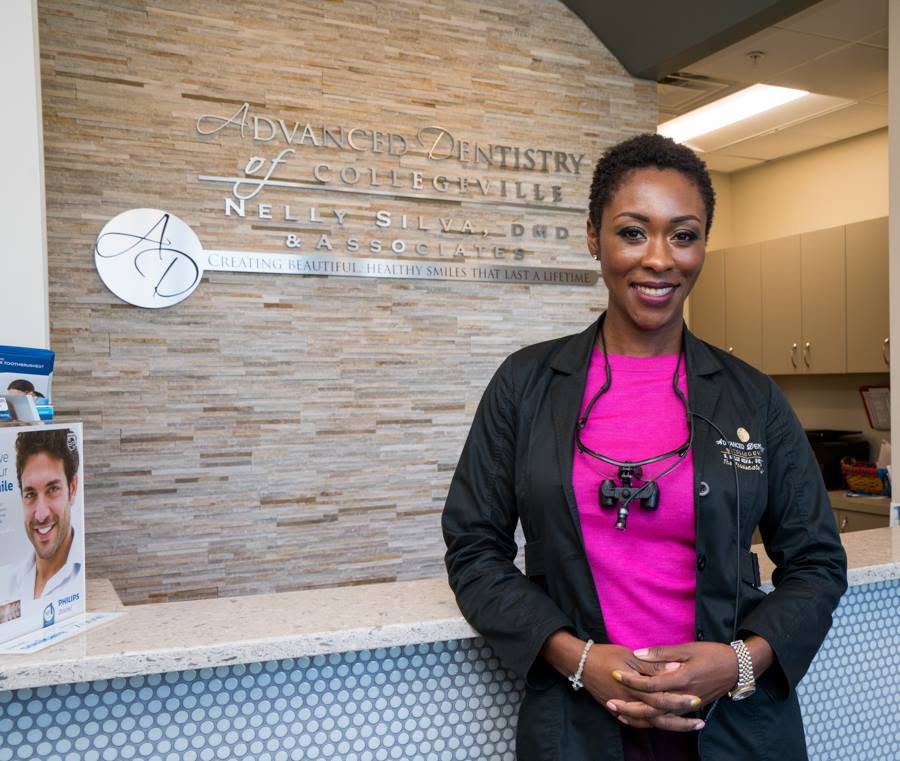 Dr. Nelly Silva, DMD
Dr. Silva earned her DMD at Temple University's Kornberg School of Dentistry, where she is a Clinical Associate Professor. She holds a Fellowship from the American Dental Implant Association and places and restores implants.
★★★★★Very professional and welcoming. Takes time for questions and gives detailed explanations. I felt very comfortable and relaxed.Lynn Maison, Google Review
★★★★★The positive energy, professionalism, modern tools and techniques, and personal touch all keep me and my family coming back.Steven Meyers, Google Review
The number of visits depends on how much of the mouth needs care.
We measure every pocket, check for recession and loose teeth, and screen soft tissues with Identafi.
X-rays show bone levels; a Vatech CT scan adds a 3D view for grafts or implants.
You leave knowing your stage, the treatments we recommend and their order.
Numbing is delivered with The Wand. Anxious patients can ask about conscious sedation.
Maintenance visits, often every three to four months, keep pockets from deepening again.
Cost depends on how many areas need care and which procedures are involved. We review fees with you before treatment begins.
Periodontics is the dental specialty devoted to the gums and bone that hold the teeth. A periodontist completes additional training after dental school in gum disease, gum surgery and implants. In our office, that care is provided by Dr. Michael Strassberg.
It covers procedures that work beneath the gum, such as pocket reduction, gum grafts, crown lengthening and bone grafting. They are used when deep cleaning alone cannot close a pocket, cover a root or rebuild bone.
No. Braces and aligners belong to orthodontics, which moves teeth; periodontics treats the gums and bone that hold them. Gums should be healthy before teeth are moved, and we offer Invisalign here as well.
Yes. Periodontal care prepares the mouth for dentures by clearing infection and rebuilding bone where needed. Our office also makes full and partial dentures.
Yes. Our periodontist and general dentistry team work in the same office and share your records, so cleanings, fillings and crowns continue alongside your gum care.
Active gum disease is treated first, because the same infection can threaten an implant. Once the gums are healthy, a CT scan shows whether a bone graft is needed.
Bleeding gums, a loose tooth or a missing one are all good reasons to come in. We measure, explain what we find and lay out your options.