Dental Services / Pediatric Dentistry
Checkups, sealants, fillings and orthodontics for children and teens, in the same office where Dr. Nelly Silva cares for their parents.

Infants, children and teens
Pediatric dentistry is preventive, restorative and orthodontic care from the first tooth through the teen years. Baby teeth help a child chew and speak, and they hold space for permanent teeth, so decay in them still needs treatment.
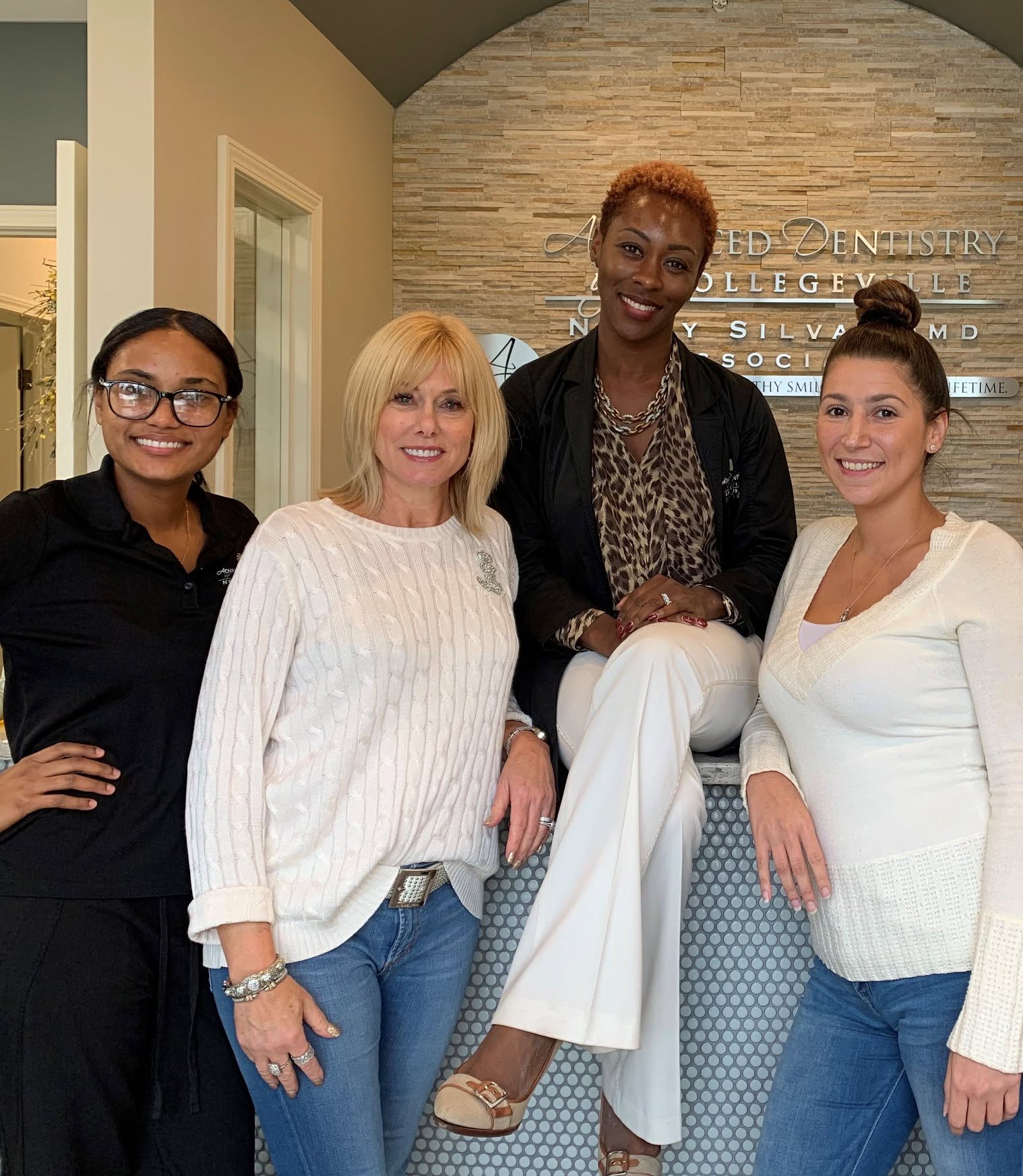
We are a family practice that has made children's dentistry part of everyday care, so parents and kids share one office and one team. Children with special needs receive comprehensive care here, and oral surgery is handled in our own office.
Each stage of growth brings different needs.
The first visit comes when the first tooth appears, and by the first birthday. We check development, talk through teething and show you how to clean tiny teeth.
Cleanings, exams and fluoride. Early cavities are filled so baby teeth keep holding space for adult teeth.
Sealants on new molars, habit appliances when thumb-sucking persists, and a close look at bite and spacing.
Custom-fitted sports guards, orthodontic treatment including Invisalign, and an eye on wisdom teeth.
Prevent, repair and guide growth
Most visits are about keeping decay from starting.
Treatment from a team your child already knows.
Support for habits, bite and sport.
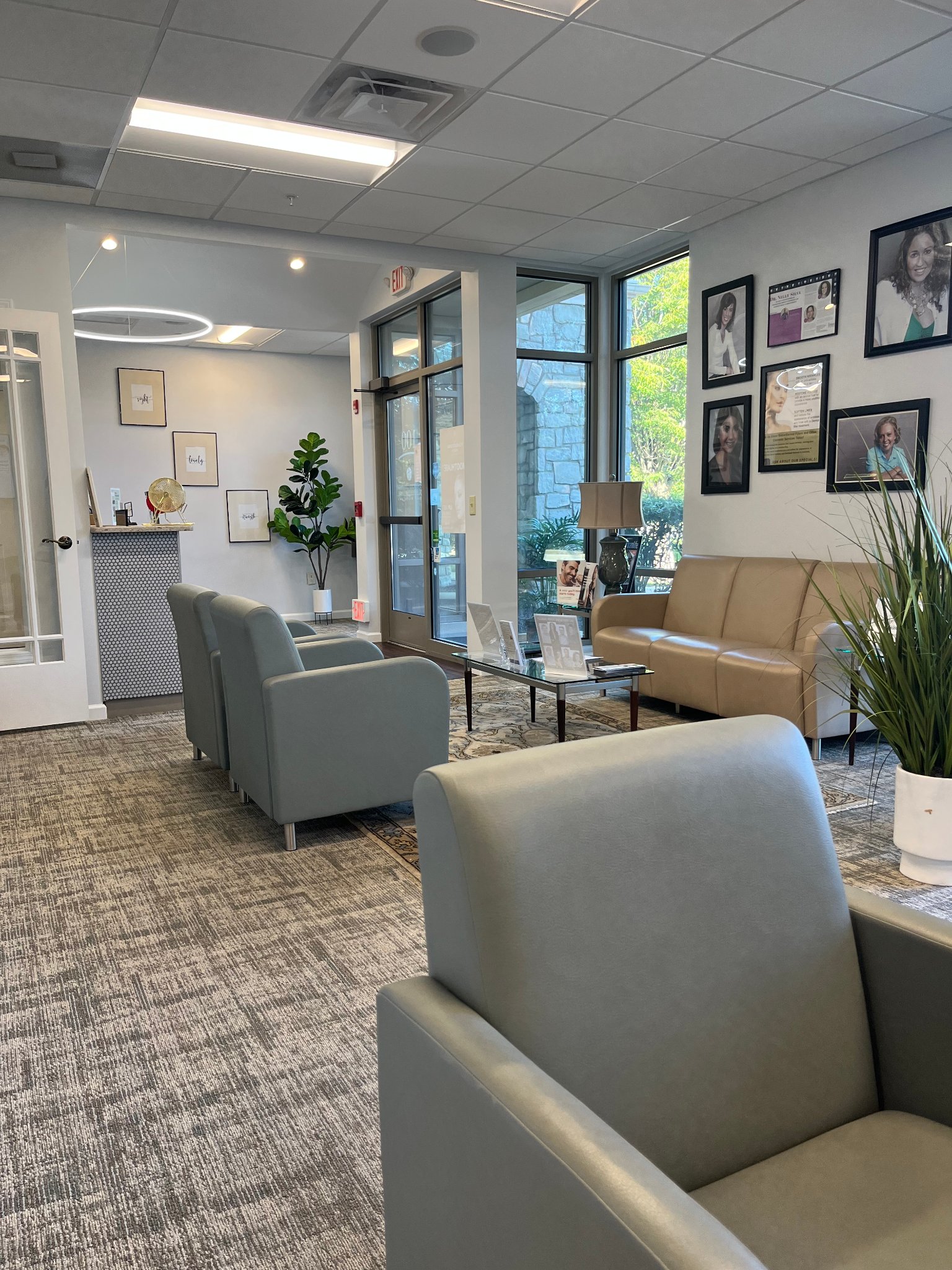
Your child meets the team and the chair at their own pace, and is encouraged to share any worries.
We record dental and medical history and complete a full exam.
We explain what we found and any treatment before it happens.
Brushing, fluoride and snack habits suited to your child's age.
A tip for parentsKeep the lead-up low key and skip words such as "needle" or "drill." We explain each step to your child in positive terms.
Airway and sleep
How a child breathes at night can affect sleep quality and the way the jaws develop. Dr. Silva is a Diplomate in Dental Sleep Medicine and wrote Breathe Right: The Link Between Nutrition, Airway and Getting a Good Night's Sleep.
If something stands out, we explain what we see and the next steps.
Some children walk in curious and some walk in scared. We plan for both.
Computer-controlled delivery of local anesthetic at a slow, steady rate.
For anxious children or longer treatment, we review sedation options with parents beforehand.
Comprehensive dental services for children with special needs, planned around what helps your child feel settled.
From our Google reviews
★★★★★"I am disabled and the team accommodated me perfectly and treated me with so much respect. I also have dental anxiety and the atmosphere & team was super calming and eased my nerves."
★★★★★"She talked me through every step of the process, made me feel comfortable, and explained the issues she noticed."
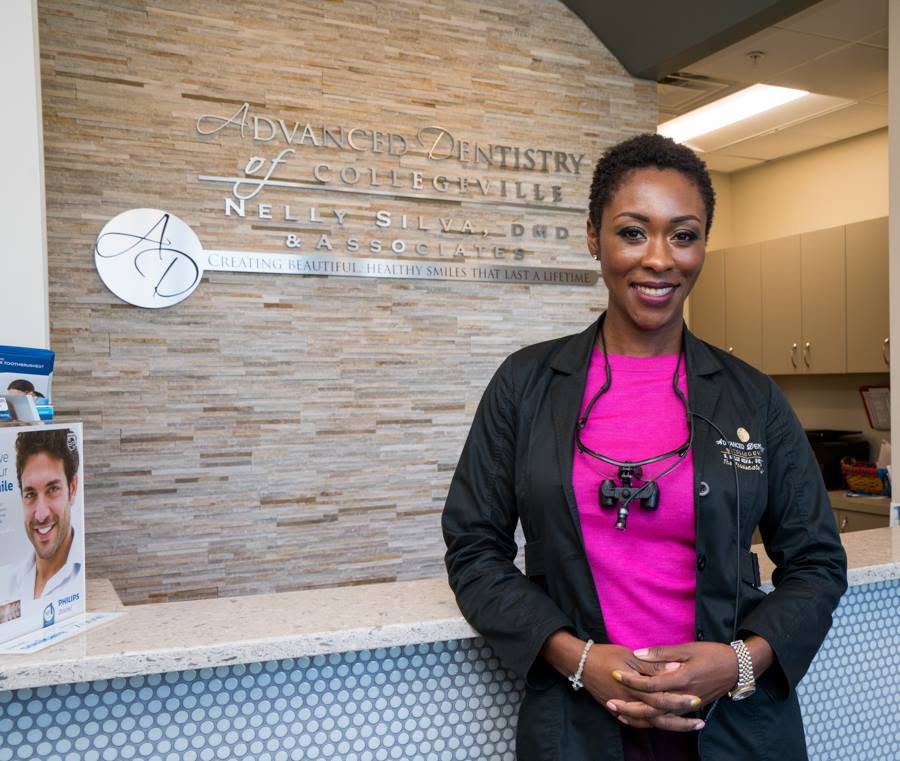 Dr. Nelly Silva, DMD
General Dentist and Diplomate in Dental Sleep Medicine
Dr. Silva earned her DMD at Temple University's Kornberg School of Dentistry, where she is now a Clinical Associate Professor. Her two-year post-training program with the International Association of Orthodontics supports the orthodontic care children receive here. She invites patients to call her Nelly.
Costs depend on what your child needs, and we explain them before treatment starts.
We accept all PPO dental insurance plans.
An in-office plan for families without insurance.
Payment plans help spread the cost of larger treatment.
We do not accept Medicaid insurance.
What Collegeville parents ask us most.
Plan the first visit when the first tooth appears, usually between 6 and 12 months, and no later than the first birthday. An early visit catches problems while they are small and lets your child get used to the office.
Pediatric dentists complete two to three extra years of specialty training after dental school. We are a family practice with children's dentistry built into everyday care, so your child can stay with one team from the first tooth through orthodontics and adulthood.
Yes. Some baby teeth stay in place until age 12 or later. Decay is an infection that can spread to the gums, the jaw and the adult teeth forming underneath.
Start brushing twice a day once the first tooth appears. Under age 3, use a rice-grain smear of fluoride toothpaste; from age 3, a pea-sized amount, with a parent making sure it is spat out. We also check whether your child gets enough fluoride and may prescribe supplements.
For a permanent tooth, hold it by the crown, not the root, and place it back in the socket with clean gauze, or store it in milk. Then contact us right away, since acting fast improves the odds of saving it. A knocked-out baby tooth should not be put back, but your child should still be seen.
Long-lasting thumb, finger or pacifier habits can lead to crowded teeth or bite problems. Most children stop on their own. If the habit continues as permanent teeth come in, we may recommend a habit appliance.
Bring your questions about teething, habits, braces or sleep, and we will plan your child's care together.