Fixed bridges that replace one or more missing teeth, planned with a 3D CT scan and an iTero digital scan, from a dentist who holds a fellowship in implant dentistry.
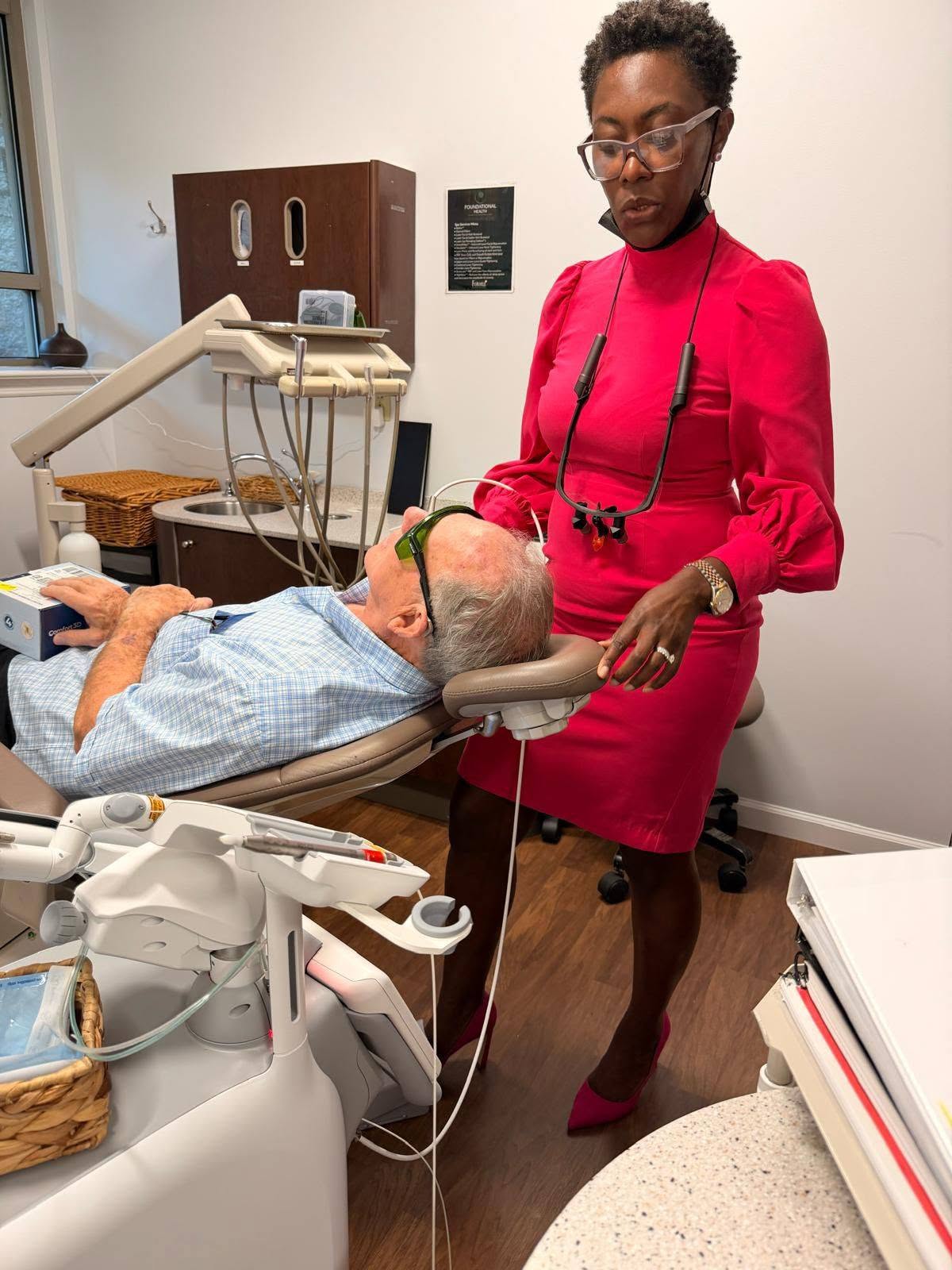
A dental bridge is a fixed restoration that spans the gap left by a missing tooth. It is cemented in place, so it never comes out at night the way a partial denture does.
The bridge has two parts. The anchors, called abutments, are crowns on the teeth beside the gap or on dental implants. The replacement tooth between them is called a pontic. All three are made as one piece in porcelain or zirconia and shade-matched to your neighboring teeth, so the bridge carries chewing forces across the gap and keeps the teeth around it from drifting.
A bridge suits adults missing one tooth or a short row of teeth who want a fixed result. The space left by a lost tooth does not stay still: neighboring teeth tip into it, the opposing tooth can drift toward it, and chewing shifts to the other side.
If your gums or bone need care first, our periodontal team treats gum disease and places bone grafts in the same office before the bridge is made.
The right design depends on where the gap is, how strong the neighboring teeth are and how much bone is in the area. Here is when each one fits.
Crowns on the teeth on both sides of the gap hold the pontic. It is the most common design and handles heavy chewing well.
When both neighbors need crownsThe pontic is supported by a crown on one side only. It is used where there is a healthy anchor on just one side of the gap.
Low-force areas with one anchorThin wings bonded to the backs of the neighboring teeth hold the pontic, so those teeth keep almost all of their enamel.
Often a single front toothDental implants replace the roots and carry the bridge, so no natural teeth are reshaped. It is the usual choice for three or more missing teeth.
Several teeth missing in a rowWe offer all three ways to replace a missing tooth, so the recommendation follows your mouth rather than what one office happens to provide.
| Dental Bridge | Single Implant | Partial Denture | |
|---|---|---|---|
| Fixed or removable | Fixed, cemented in place | Fixed, anchored in bone | Removable, clasps onto teeth |
| Neighboring teeth | Crowned to anchor the bridge, unless implants carry it | Left untouched | Support the clasps |
| Typical timeline | About two visits over a few weeks | Several months while the implant heals | A few visits over several weeks |
| Jawbone | Does not stimulate bone under the pontic | Stimulates and helps preserve bone | Does not stimulate bone |
| Daily care | Brush, plus floss threader or water flosser under the pontic | Brush and floss like a natural tooth | Remove and clean daily |
A traditional bridge usually takes two appointments a few weeks apart. Implant-supported bridges add a healing phase of several months before the final bridge.
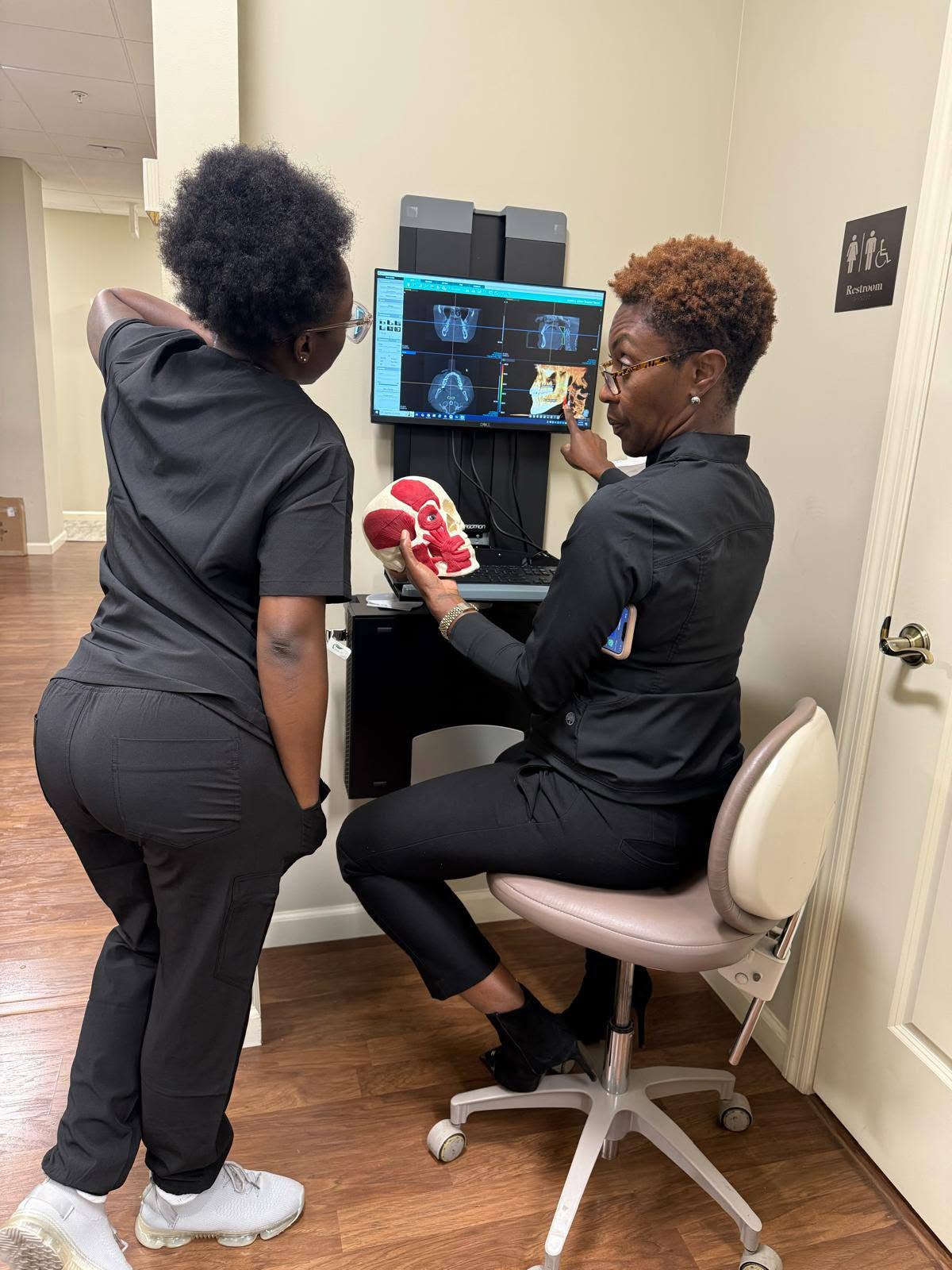
We check the gap, the anchor teeth and your gums, then take X-rays. When implants are an option, a Vatech CT scan shows bone height and width in 3D.
We walk you through the options for your gap, including how each one affects the teeth around it, and match the shade to your smile.
The Wand delivers local anesthetic at a controlled, steady rate. The anchor teeth are then shaped so the crowns fit over them, or the implants are placed.
The iTero Element scanner records your teeth in 3D for the lab, with no impression putty. You leave with a temporary bridge that protects the prepared teeth.
At the next visit we try in the final bridge, check the contacts and your bite, then cement it. Dr. Silva's postgraduate training in neuromuscular dentistry guides this final step.
Dr. Nelly Silva plans and places your bridge from the first scan to the final bite check. When gums or bone need attention first, Dr. Michael Strassberg provides periodontal care in the same office.
 Dr. Nelly Silva, DMD
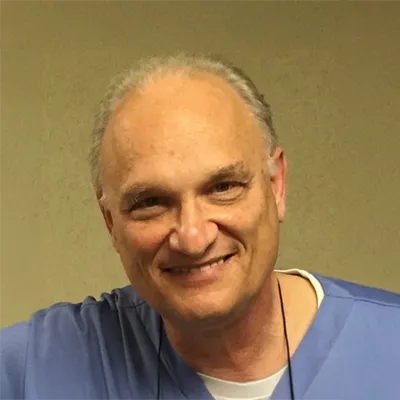 Dr. Michael Strassberg
Dr. Strassberg practices all aspects of periodontics. For bridge patients that can mean treating gum disease before the anchor teeth are prepared, or grafting bone so an implant-supported bridge has a stable foundation.
"I also have dental anxiety and the atmosphere and team was super calming and eased my nerves."
Liz A., Google Review
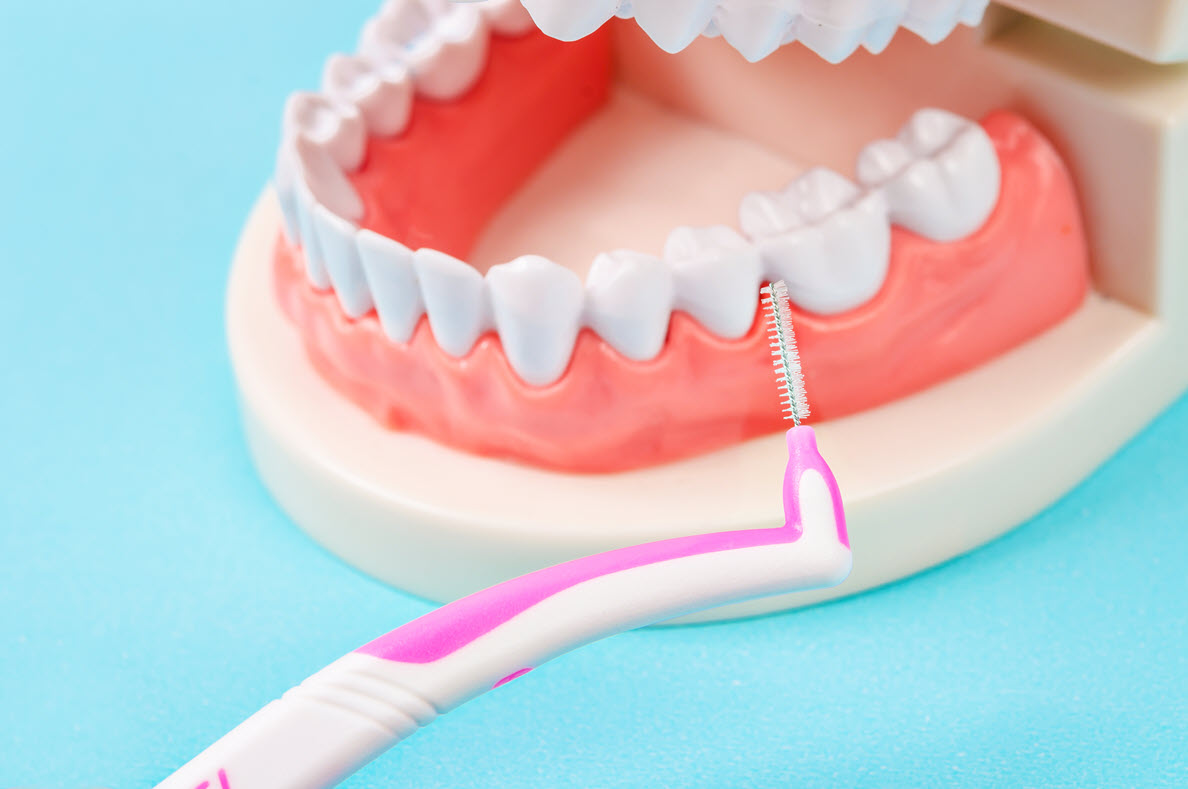
A bridge cannot decay, but the anchor teeth under its crowns can. Most bridge problems start at the gum line under the pontic, where a toothbrush does not reach.
The cost of a bridge depends on how many teeth it spans, the material and whether natural teeth or implants support it. You get a clear plan for your case at your consultation.
We accept all PPO dental insurance plans. Many PPO plans cover part of a bridge, and coverage varies by plan. We do not accept Medicaid.
No insurance? Our dental savings plan is an option for patients without coverage.
We offer payment plans so the cost of your bridge can be spread out rather than paid all at once.
Answers to what Collegeville patients ask most before replacing a missing tooth.
A Maryland bridge is a replacement tooth held in place by thin wings bonded to the backs of the neighboring teeth. Because those teeth are not crowned, very little natural enamel is removed. It is used most often for a single missing front tooth where bite forces are lighter.
Yes, for most everyday foods. Because the bridge is held by bonding rather than crowns, we suggest cutting hard foods such as apples or crusty bread into pieces and not biting into them with the bridged tooth. Avoid using it on ice, pens or packaging.
The right bridge depends on where the gap is, how healthy the neighboring teeth are and how much bone is in the area. A traditional bridge is a strong choice when the neighboring teeth already need crowns, while an implant-supported bridge leaves healthy teeth untouched. We look at your scan and X-rays with you and explain why we recommend one option over another.
A finished bridge looks like a row of natural teeth that meets the gum line where the missing tooth used to be. The porcelain or zirconia is shade-matched to your surrounding teeth, so most people cannot tell which tooth is the replacement.
Preparing the teeth is done under local anesthesia, and we deliver it with The Wand, a computer-controlled system that releases anesthetic at a slow, steady pace. Patients who feel anxious can ask about conscious sedation. Some gum tenderness and temperature sensitivity for a few days afterward is common.
We accept all PPO dental insurance plans, and many PPO plans cover part of the cost of a bridge. Coverage varies by plan, so we review what yours includes at your consultation. We do not accept Medicaid. Patients without insurance can join our dental savings plan.
Find out which bridge fits your gap, whether implants are an option and what your PPO plan may cover. One visit gives you the full picture.
399 Arcola Road, Collegeville, PA 19426