Simple, surgical and wisdom tooth extractions planned with an in-office 3D CT scan, numbed with The Wand and paired with sedation when you want it.
We save a natural tooth whenever a filling, crown or root canal can do the job. Extraction is the right call when keeping the tooth would cause more pain, infection or damage than removing it.
Decay that reaches deep into the root, or a crack that runs below the gumline, can leave too little healthy tooth to rebuild.
When an infection cannot be cleared with a root canal, removing the tooth stops it from spreading to the bone and nearby teeth.
Advanced periodontal disease can destroy the bone that holds a tooth. A tooth that has lost its support often needs to come out.
Wisdom teeth usually arrive between 17 and 21. They often come in sideways, only partway or not at all, trapping food and bacteria.
Any tooth held back by bone, gum or another tooth is impacted. We decide whether removal or another approach makes more sense.
A crowded mouth sometimes needs a tooth removed so the rest can line up during orthodontic treatment such as Invisalign.
You have throbbing pain, swelling in your face or jaw, a bad taste that keeps coming back or a tooth that broke and now hurts to bite on.
An extraction removes the whole tooth, root included, from its socket in the jawbone. How we do it depends on whether the tooth is fully visible above the gum or needs a small surgical approach to reach.
| Compare | Simple Extraction | Surgical Extraction |
|---|---|---|
| Used For | Teeth that have fully erupted and are in one piece, such as a decayed or loose tooth | Impacted or partly erupted wisdom teeth, teeth broken at the gumline and teeth with curved roots |
| How It Is Done | The tooth is loosened in its socket and lifted out whole | A small opening in the gum gives access, and the tooth may be removed in sections |
| Planning | An exam and X-rays | Our Vatech CT scan shows root shape and nearby nerves and sinuses in 3D |
| Comfort | Local numbing with The Wand, conscious sedation if you prefer | Local numbing, with conscious sedation or IV sedation available |
| Stitches | Rarely needed | Often a few dissolving stitches that do not need to be removed |
| Typical Healing | Most patients feel normal within a few days | Often about a week before you feel back to normal |
Most worry about an extraction comes from not knowing what to expect. We show you the tooth on screen, explain the plan and choose your comfort level together before anything starts.
A cone beam scan in our office maps the roots, bone and nerve canal around a wisdom or impacted tooth, so the plan is set before removal begins.
A computer-controlled system delivers the local anesthetic at a slow, steady rate rather than through a traditional syringe.
An oral sedative relaxes you while you stay awake and able to respond. It helps nervous patients get through the visit calmly.
For multiple extractions or a difficult impacted tooth, IV sedation is available so the procedure passes in a deeply relaxed state.
Had a major procedure done and the entire staff made sure I was comfortable & stress free. Given that I am a severe dentalphobe the results were amazing.
Marian Valevas, Google Review
A single extraction is usually finished in one short visit. You leave with written instructions and a number to call if anything feels off.
We go over your health history and medications, then take X-rays or a 3D scan so the shape of the roots is clear before we begin.
If you chose sedation, it is given first so you are relaxed. The Wand then numbs the tooth and the gum around it.
The tooth is loosened and lifted from its socket. Most patients feel pressure rather than pain. A surgical extraction may remove the tooth in sections.
A gauze pad goes over the socket and you bite down to slow the bleeding while a clot forms. Dissolving stitches close the gum when needed.
We walk you through aftercare and pain relief, and talk about replacing the tooth if it is not a wisdom tooth.
The blood clot that forms in the socket is the start of healing. Almost every aftercare instruction exists to keep that clot in place for the first few days.
Keep gauze in place as directed, use an ice pack on the cheek and limit activity. Some oozing is normal.
Soreness and swelling are usually greatest now. Take pain medication as recommended and keep to soft food.
Most patients return to normal eating and work. Dissolving stitches start to fall out on their own.
The gum closes over the socket and the bone below keeps rebuilding, which matters if an implant is planned.
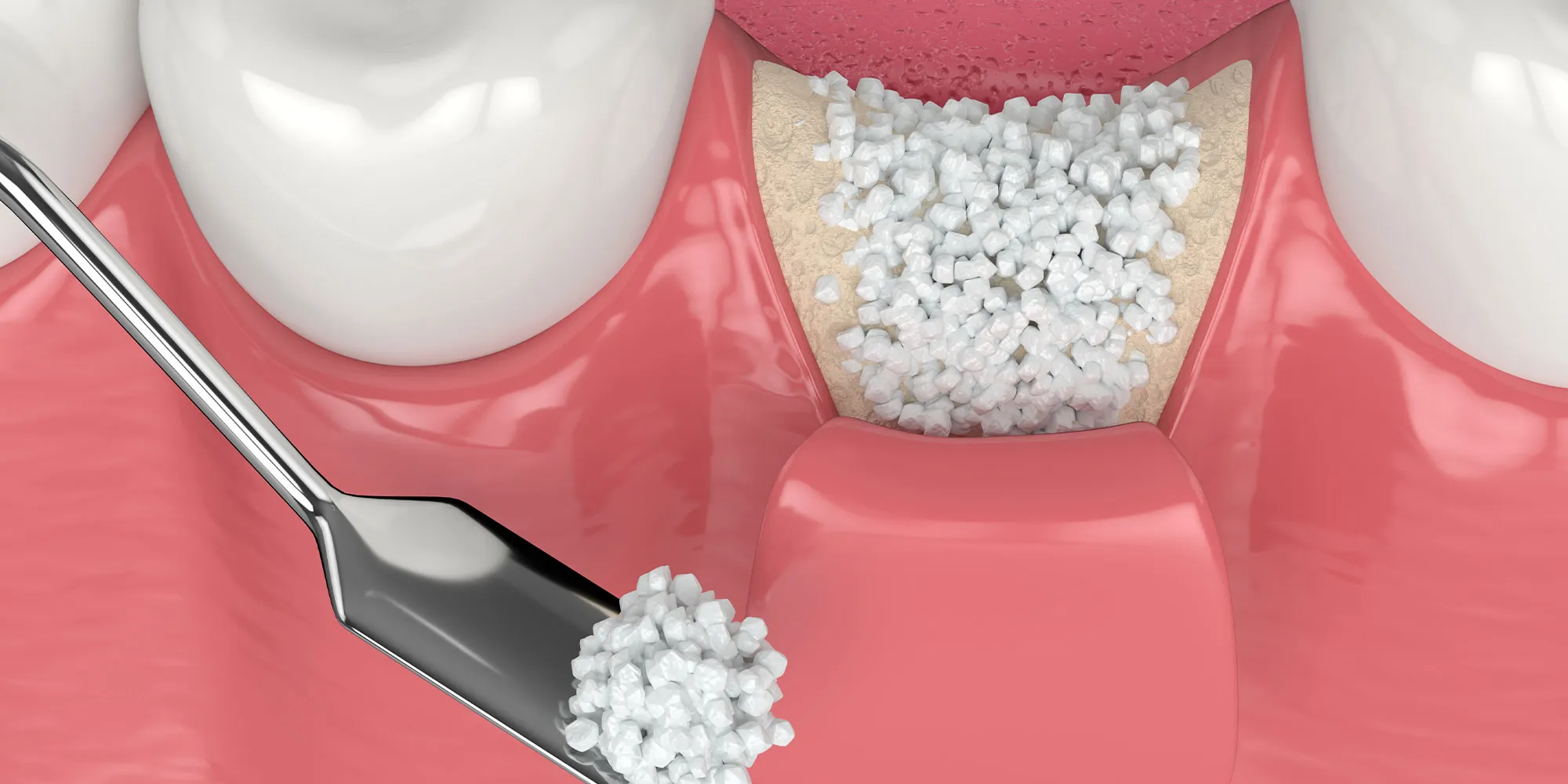
A gap lets neighboring teeth drift and the jawbone shrink. We plan the replacement before the extraction, so the socket is prepared for what comes next.
Great experience with a very special staff start to finish. I had 8 extractions with the temporary teeth waiting in the wings.
Rich Reifsnyder, Google Review
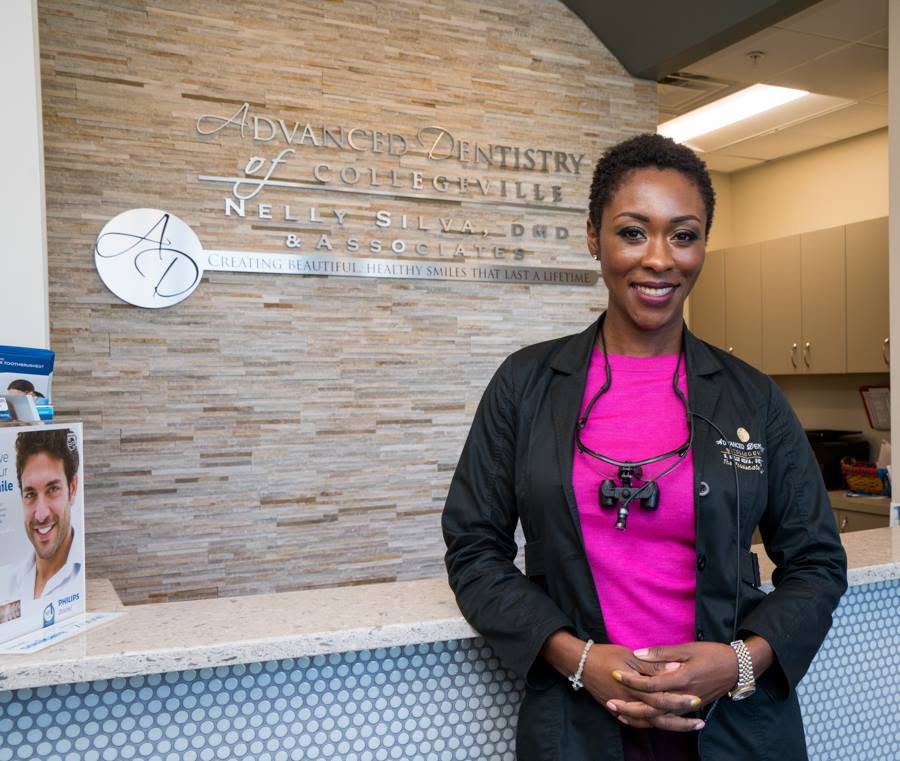
Dr. Nelly Silva performs extractions in our office, from a single broken tooth to multiple extractions with dentures ready the same day. Her faculty role at Temple is in the department that covers oral surgery and oral medicine. She asks patients to call her Nelly.
★★★★I made an appointment and they fit me right in. I had a wisdom tooth taken out and they followed up the next day.
Xierra Swittenburg, Google Review
★★★★★I get a little anxious at the dentist and Dr. Nelly put me at ease.
Kristen Keane, Google Review
Your cost depends on whether the extraction is simple or surgical, on imaging and sedation, and on your coverage. We review your benefits and your options with you before treatment.
We accept all PPO dental insurance plans, and many plans cover part of a needed extraction. We do not accept Medicaid.
No dental insurance? Our dental savings plan is an option for patients paying on their own.
When an extraction leads to a bone graft, implant or dentures, payment plans spread the cost over time.
Answers about cost, comfort, healing and wisdom teeth for patients in Collegeville and nearby towns.
The cost depends on whether the tooth needs a simple or surgical extraction, whether imaging or sedation is part of the visit and on your coverage. We accept all PPO dental insurance plans and review your benefits with you before treatment. Without insurance, our dental savings plan and payment plans can lower what you pay up front.
The area is fully numbed before we begin, so most patients feel pressure rather than pain during the extraction. We deliver the numbing with The Wand, and conscious sedation is available for anxious patients. Some soreness afterward is normal and is managed with the medication we recommend.
Most patients feel back to normal within a few days after a simple extraction. Surgical and wisdom tooth extractions often take closer to a week to settle. The gum keeps closing over the next few weeks while the bone underneath fills in more slowly.
Stick to cool, soft foods such as yogurt, smoothies eaten with a spoon, mashed potatoes and soup that has cooled down for the first day or two. Chew on the opposite side and skip crunchy, spicy or very hot food until the area feels comfortable. Avoid drinking through a straw for at least 24 hours so the clot stays in place.
Wisdom teeth usually erupt between the ages of 17 and 21, and many mouths do not have room for them. They are often removed when they come in sideways, only partway or stay trapped under the gum and cause pain, swelling or infection. A 3D scan in our office shows their position so we can decide together whether removal makes sense.
Wisdom teeth usually do not need replacing, but most other teeth do. A gap lets neighboring teeth drift and the jawbone shrink over time, which can affect your bite. We talk through dental implants, dentures and bone grafting before the extraction so the next step is planned.
A painful or broken tooth is easier to deal with once you know your options. Patients come to our Collegeville office from Trappe, Oaks, Royersford, Limerick, Skippack, Phoenixville, Norristown and Blue Bell.
399 Arcola Road, Collegeville, PA 19426