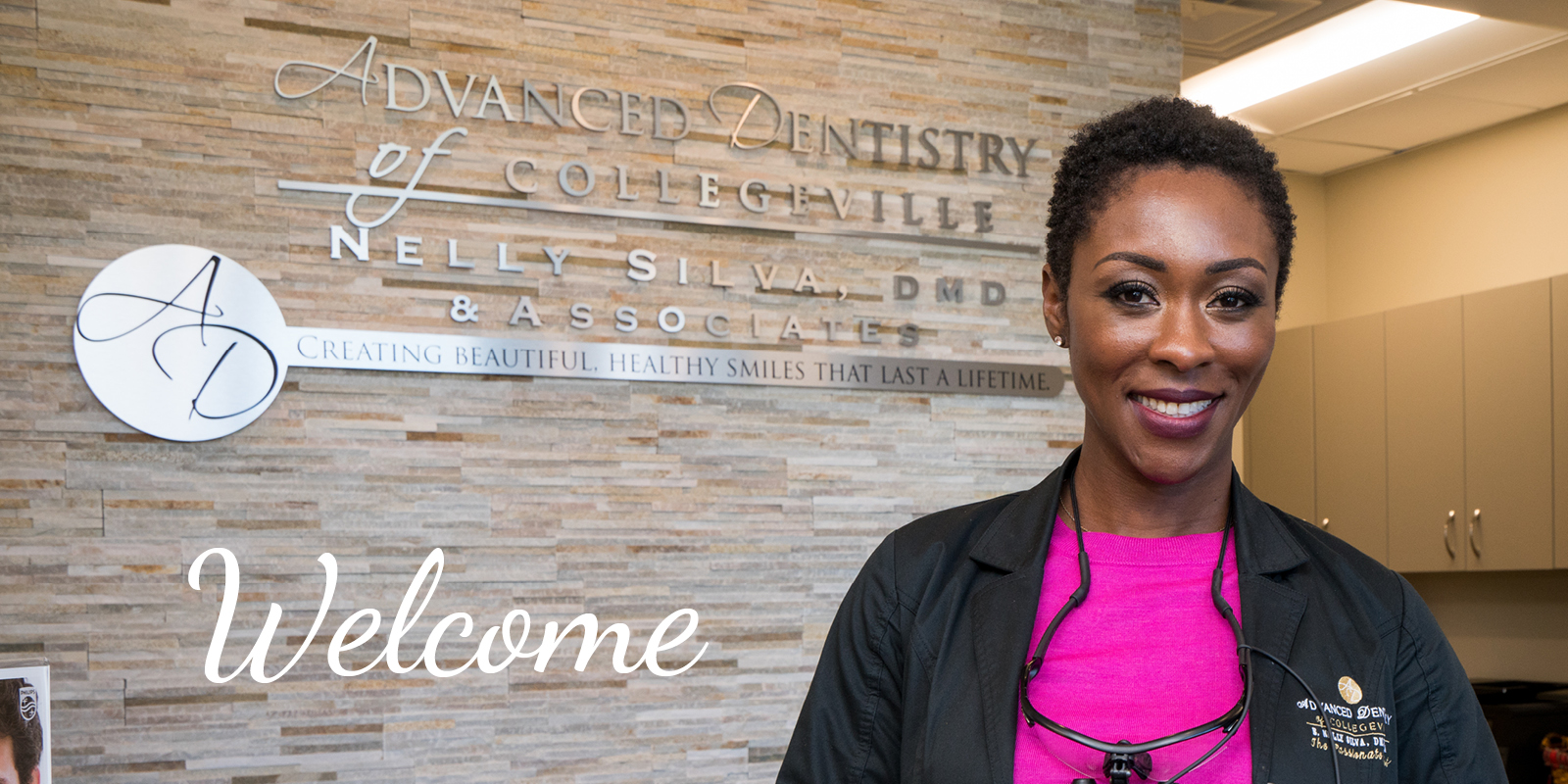
Exams with Dr. Nelly Silva look past cavities: she checks your gums, bite, jaw joints and airway, and our office uses Identafi® technology for oral cancer screening.
 Routine and new patient exams
A dental exam is a systematic look at every structure in your mouth, not only a count of cavities. Each finding is recorded so the next visit can be compared against it.
Medications, conditions and changes since your last visit, many of which show up in the mouth.
Decay, cracks and worn enamel, plus the edges of fillings and crowns, checked tooth by tooth.
Pocket depths, bleeding and recession around each tooth, the early markers of gum disease.
How your teeth meet, wear from grinding, and clicking or tenderness in the jaw. Dr. Silva completed a TMD residency with the American Academy of Craniofacial Pain.
A scalloped tongue, a crowded airway and heavy wear can point to snoring or sleep apnea, an area Dr. Silva holds diplomate status in.
The tongue, cheeks, floor of the mouth, throat and the lymph nodes of the neck, checked by sight and touch.
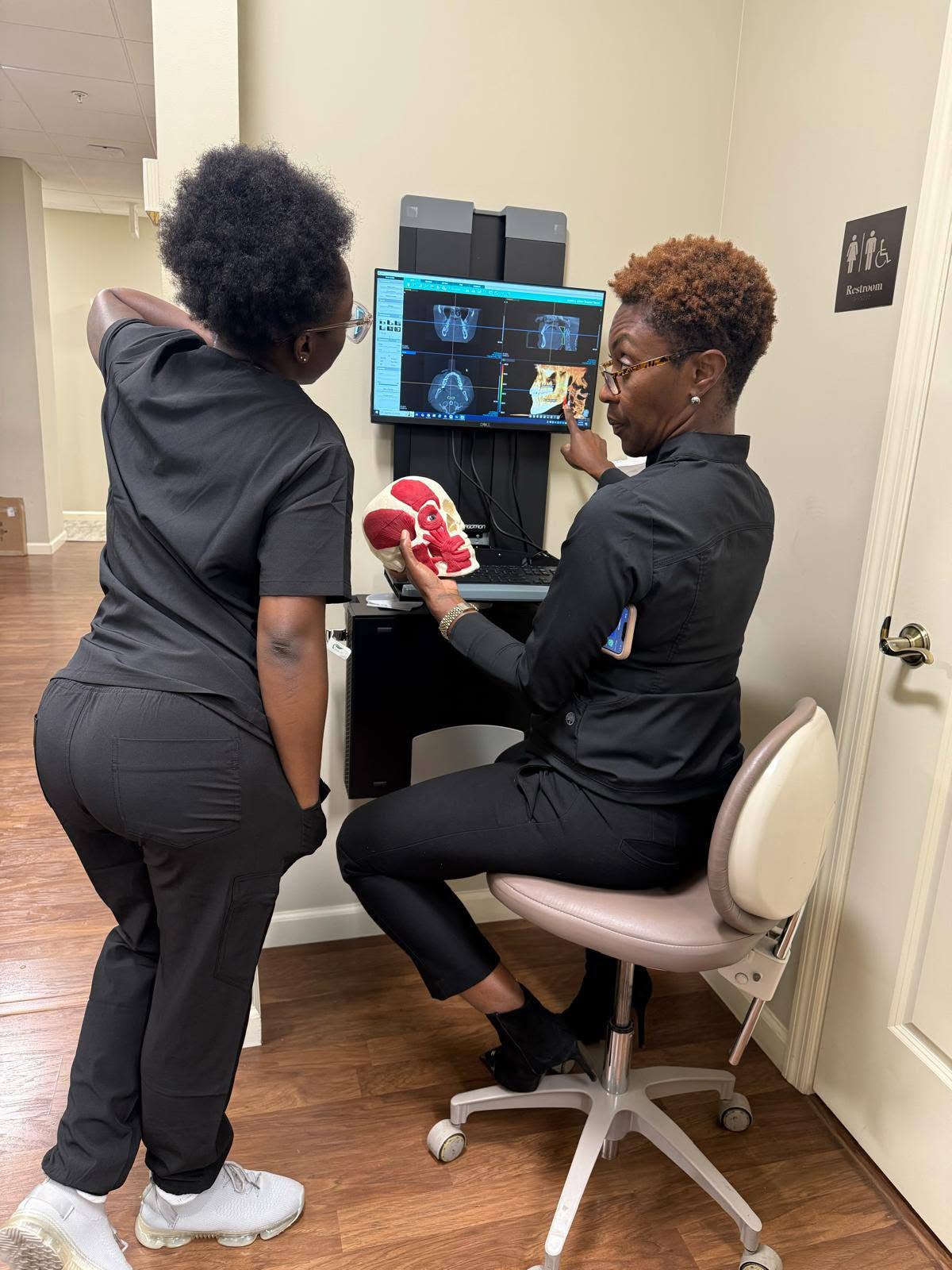
These tools show what eyes and hands cannot. We use each one only when your exam calls for it.
Which exam you need depends on whether you are new to us, due for a checkup or calling about a specific problem.
| Exam | When it is used | What it covers |
|---|---|---|
| Comprehensive | Your first visit, or after years without dental care. | Every area listed above, the images you need, and a treatment plan we review together. |
| Periodic Checkup | Usually at each cleaning visit, most often every six months. | Changes since your last exam, gum health, cancer screening and new concerns. |
| Limited | A specific problem such as pain, swelling or a broken tooth. | The problem area, imaging for that area, and your options to treat it. |
These symptoms are worth an exam now rather than at your next scheduled visit.
Your medical history, medications and anything you have noticed.
X-rays or a CT scan, only when your exam calls for them.
Dr. Silva checks teeth, gums, bite, jaw joints, airway and soft tissue.
When your visit includes hygiene care, plaque and tartar are removed and teeth polished.
We show you what we found, explain your options plainly and set your next visit.

Dr. Nelly Silva earned her DMD at Temple University's Kornberg School of Dentistry, where she now teaches as a Clinical Associate Professor in the Department of Oral and Maxillofacial Pathology, Medicine and Surgery. That department studies the oral diseases a screening exam is designed to catch.
Her training in jaw pain and sleep medicine is why your exam includes the bite and airway. She invites patients to call her Nelly.
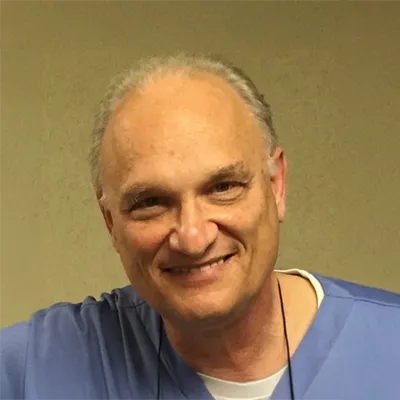
Dr. Michael Strassberg focuses on periodontics. When an exam finds gum disease, treatment is available in the same office.
"After not having a dental appointment for a few years, my anxiety was at a high. Dr. Silva and her team were so helpful and welcoming and made the experience so easy."
Kyla K., Google Review
"I also have dental anxiety and the atmosphere and team was super calming and eased my nerves."
Liz A., Google Review
"I am a new patient at the office and have had only two visits so far but love the way things are explained and done."
Nandita V., Google Review
What your plan pays toward an exam depends on your benefits.
We accept all PPO dental insurance plans. We do not accept Medicaid.
An option for patients without dental insurance.
Available for treatment your exam may recommend.
It covers six areas: health history, teeth and existing work, gums, bite and jaw joints, airway, and an oral cancer screening. Images are added when your history calls for them. We finish by walking you through what we found.
Many patients come in every six months, usually with a cleaning. Patients with gum disease, frequent cavities or other risk factors may need shorter intervals. Dr. Silva recommends a schedule based on what your exam shows.
A checkup is for finding problems and planning care. If your exam shows a cavity, we show it to you and plan the filling, often at a separate visit. When a tooth needs numbing, we use The Wand® computer-assisted anesthesia system.
No. How often you need images depends on your age, dental history and risk of decay or gum disease. A CT scan is reserved for cases where a 3D view will change the plan.
The mouth can show signs connected to your wider health, such as gum disease, tissue changes, grinding and sleep-disordered breathing. When a finding points to a medical concern, we recommend you follow up with your physician.
Start with a comprehensive exam. We look at everything, explain what we find without judgment and help you decide what to treat first.
Start with a thorough exam and a clear plan.
399 Arcola Road, Collegeville, PA 19426