Advanced Technology

Vatech CT Scan in Collegeville, PA


Our Vatech unit takes 3D images of your teeth, jaws and jaw joints right in our office, so Dr. Silva can plan implants, extractions and TMJ care from what is really there.

  • 3D and panoramic imaging in our office
  • Fellowship, American Dental Implant Association
  • TMD Residency, American Academy of Craniofacial Pain
  • In network with all PPO dental plans
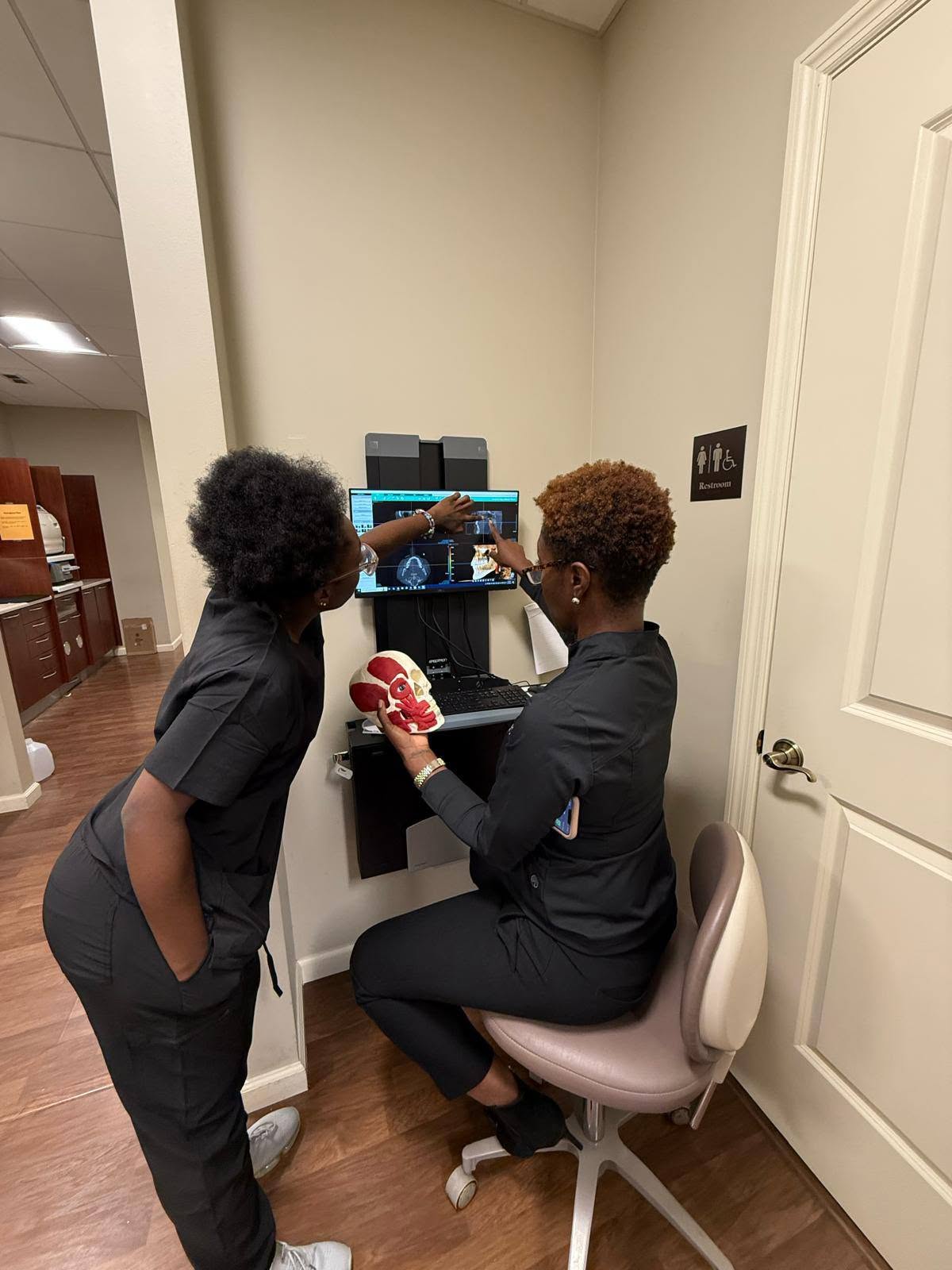
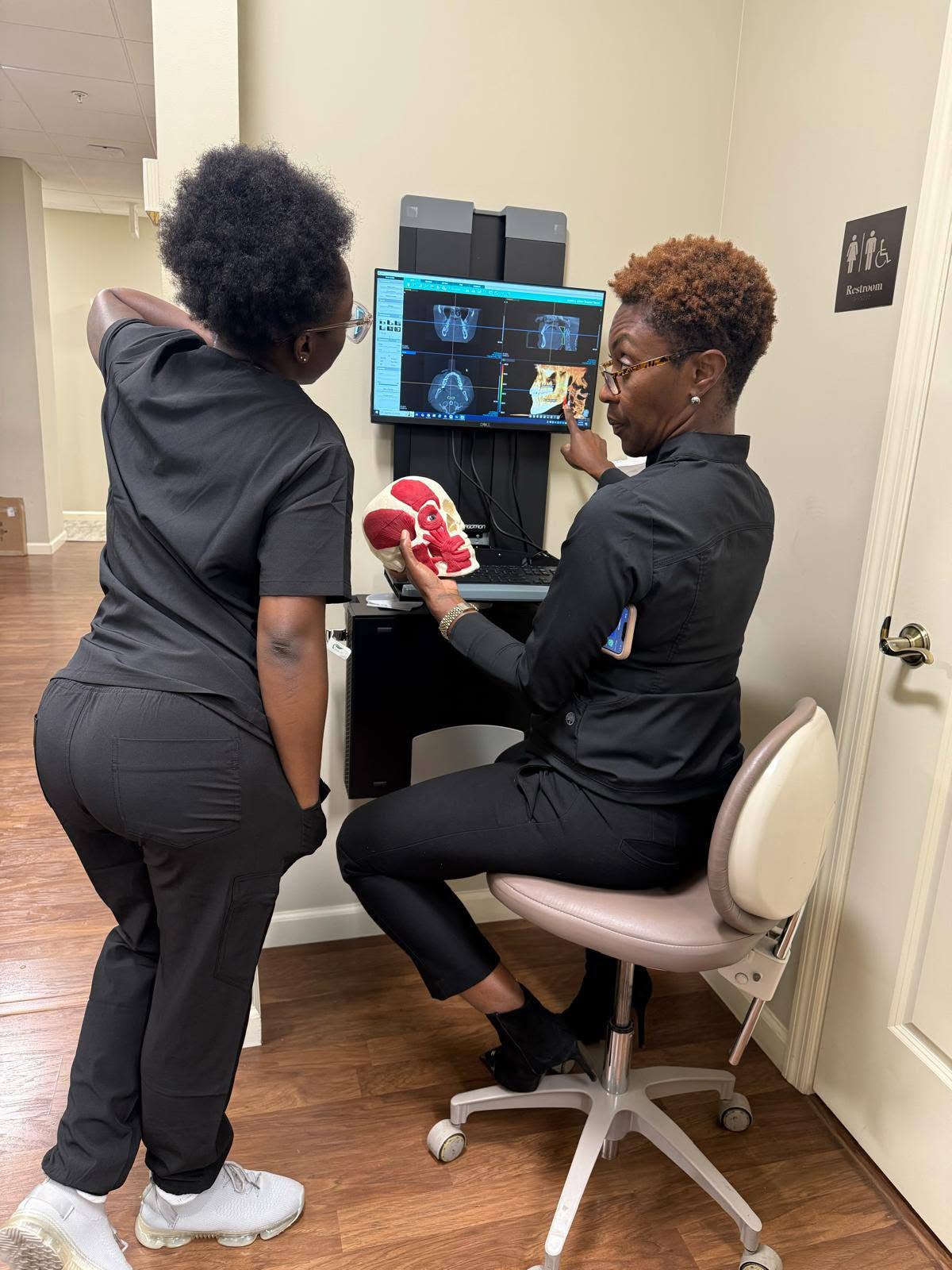
Two team members in black scrubs review a 3D dental CT scan on a monitor while holding a skull modelVatech 3D Imaging
What It Is

3D Dental Imaging, Explained

A complete view of the teeth, bone and joints in a single scan.

A Vatech CT scan is a cone beam computed tomography scan, often shortened to CBCT. The unit's arm makes one rotation around your head and captures hundreds of views, which software assembles into a 3D model of your teeth, jawbone, nerves, sinuses and jaw joints.

Dr. Silva can turn that model in any direction and slice through it at any point. A standard X-ray compresses everything into one flat plane, so roots, bone and nerves overlap. A 3D image separates them, which is why we use it when a decision depends on exact measurements.

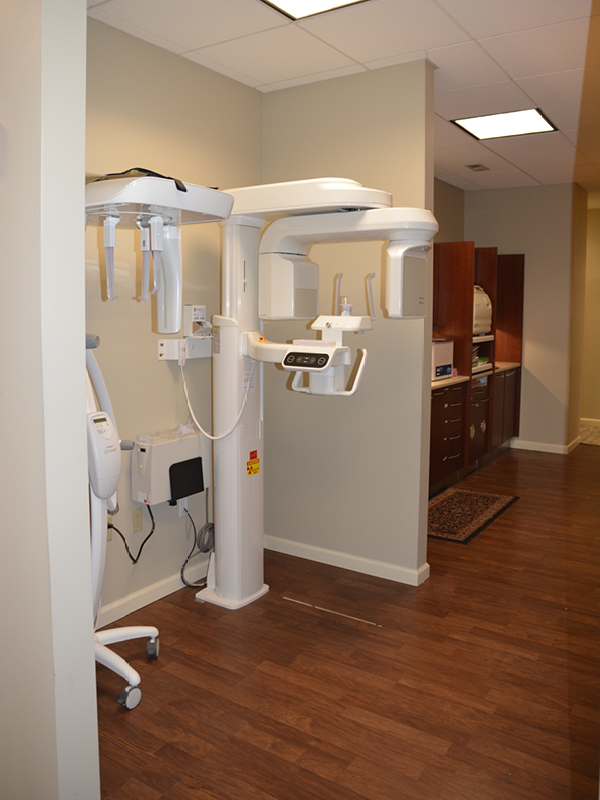
The same Vatech unit also takes panoramic images. The views your treatment needs are captured in one room down the hall from your chair, rather than at an outside imaging center.

Who It Helps

What a 3D Scan Shows Us

Most visits need only standard X-rays. These are the treatments where the extra dimension changes the plan.


01

Dental Implants

We measure bone height and width and locate the nerve and sinus before choosing an implant's size and position. Dr. Silva holds a fellowship from the American Dental Implant Association.

02

Wisdom and Impacted Teeth

A 3D view shows how an impacted or wisdom tooth sits against its neighbors and the nerve canal in the lower jaw. That position shapes how the extraction is planned.

03

Bone Grafting and Gum Health

The scan shows how much bone surrounds each tooth or empty space and where it is missing. It guides bone grafting and periodontal treatment before surgery begins.

04

TMJ and Jaw Joints

The jaw joints are hard to read on flat films. A 3D image shows the joint surfaces and spaces, adding detail to the TMJ evaluation Dr. Silva trained for in her TMD Residency.

05

Airway and Sleep Apnea

The scan can include the airway behind the tongue and soft palate. That view adds information when we plan oral appliance therapy for snoring and obstructive sleep apnea.

06

Root Canals

Extra canals, cracks and infection at the root tip can hide on a 2D film. A 3D slice through a single tooth helps locate them before root canal treatment.

Compare

2D X-Rays vs. a 3D CT Scan

A dental CT scan is not the same as the CT scanner at a hospital, and it does not replace the X-rays taken at your checkup. Here is how the three compare.

CompareStandard 2D X-rayVatech 3D CT scanHospital CT
What it showsA flat image where teeth, roots and bone overlapA 3D model that can be rotated and sliced in any directionCross sections of the body area a physician orders
Used forCheckups, cavities between teeth, routine monitoringImplants, impacted teeth, bone grafting, TMJ, airway and complex root canalsMedical conditions, often well beyond the teeth and jaws
How you are positionedSmall sensor in the mouth or an open panoramic unitStanding or seated in an open unit with your chin on a restLying on a table that moves through a ring
WhereOur officeOur office on Arcola RoadA hospital or imaging center, by referral
Our team points out details on a 3D dental scan on the monitor next to a skull model
Reading the Scan

We Walk You Through Your Scan

Your images open on the monitor while you are still with us, and you see them alongside the dentist. We rotate the 3D model, point out the bone, nerves and roots that matter for your treatment, and show how the plan follows from them.

A skull model often sits beside the screen, so the image is easy to relate to your own jaw. Seeing the scan yourself makes the reason for each step clear and makes questions easier to ask.

  • Measurements taken from your own anatomy
  • Nerve, sinus and airway located before treatment
  • One set of images shared across your treatment plan
The Visit

What to Expect During Your Scan

The scan is part of a regular visit. There are no injections, nothing is placed in your mouth and nothing closes around you.

  1. 1

    A Clear Reason First

    We explain why a 3D image is recommended and what question it will answer. Earrings, glasses, hairpins and removable dental appliances come off, since metal can blur the image.

  2. 2

    Positioning

    You stand or sit in the open unit and rest your chin on a support. Our team adjusts your position so the area we need is centered in the scan.

  3. 3

    One Rotation

    The arm makes a single slow pass around your head while you hold still and breathe normally. The rotation typically lasts less than a minute.

  4. 4

    Review and Plan

    The 3D images are usually ready on our monitor within minutes. We go over what they show and what comes next in your treatment plan.

The open 3D and panoramic dental imaging unit in our Collegeville office hallway
The open imaging unit in our office takes both panoramic and 3D images.
Our Providers
Who Reads It

The Dentists Who Plan From Your Scan

A scan is only as useful as the training of the person reading it. Your images are reviewed by dentists whose work depends on bone, joints and airway.

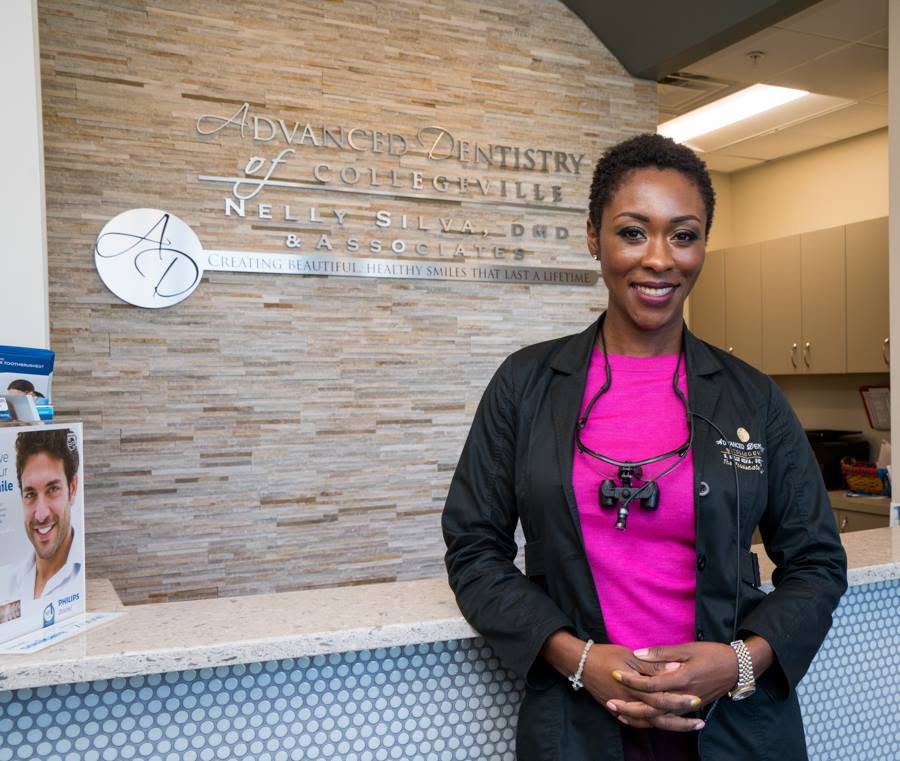
Dr. Nelly Silva, DMD, in front of the office welcome wallDr. Nelly Silva, DMD

Dr. Silva reads each scan with implants, jaw joints and airway in mind, the three areas of her postgraduate training.

  • Fellowship, American Dental Implant Association
  • Fellow, American Academy of Craniofacial Pain, TMD Residency
  • Diplomate in Dental Sleep Medicine, ABCDSM
  • Clinical Associate Professor, Oral and Maxillofacial Pathology, Medicine and Surgery, Temple University Kornberg School of Dentistry
Dr. Michael Strassberg, periodonticsDr. Michael Strassberg

Dr. Strassberg focuses on periodontics, where knowing how much bone surrounds each tooth shapes the plan.

  • Periodontics
  • Bone grafting and gum graft surgery
  • Pocket reduction and crown lengthening
"The positive energy, professionalism, modern tools and techniques, and personal touch all keep me and my family coming back."

Steven Meyers, Google Review

"Takes time for questions and gives detailed explanations. I felt very comfortable and relaxed." Lynn Maison, Google Review

Cost and Coverage

Insurance and Payment for 3D Imaging

Coverage for a CT scan depends on your dental plan and the reason the scan is needed, such as implant planning or an impacted tooth.

Ask about the cost of a scan for your treatment at your consultation, and we will go through your plan's benefits with you.

  • PPO dental insurance plans All accepted
  • Payment plans Available
  • Dental savings plan for patients without insurance Available
  • Medicaid Not accepted
FAQ

Dental CT Scan Questions

Answers to what patients ask most before a 3D scan.

What is a Vatech CT scan?

It is a dental cone beam CT scan taken on a Vatech imaging unit. The unit's arm makes one rotation around your head and builds a 3D model of your teeth, jaws, nerves, sinuses and jaw joints. We use it when a treatment decision needs more detail than a flat X-ray can give.

How is a dental CT scan different from a regular dental X-ray?

A regular X-ray is a flat image, so roots, bone and nerves overlap on top of each other. A CT scan separates them into a 3D model that can be rotated and sliced in any direction. Routine checkups still use standard X-rays, and the 3D scan is saved for questions they cannot answer.

Does the scan hurt, and will I be enclosed?

No. You stand or sit in an open unit with your chin on a rest while the arm rotates around you. Nothing touches your teeth and there is no tunnel to lie in, which many patients who dislike hospital scanners find reassuring.

How long does a dental CT scan take?

The rotation itself typically lasts less than a minute. Positioning takes a few minutes more, and the images are usually ready to review on our monitor shortly after.

Is a dental CT scan safe?

A CT scan uses X-rays, so it is recommended only when the 3D detail will change a diagnosis or treatment plan. The scan is aimed at the teeth and jaws rather than the whole body. Please tell us before any imaging if you are or might be pregnant.

Do I need a CT scan before dental implants?

A 3D scan lets us measure bone height and width and locate the nerve and sinus before choosing an implant's size and position. Dr. Silva will explain whether your case calls for one at your consultation. It is also common before bone grafting and the removal of impacted teeth.

Is a 3D dental scan covered by insurance?

Coverage depends on your plan and the reason the scan is needed. We are in network with all PPO dental insurance plans and do not accept Medicaid. Payment plans are available, and patients without insurance can use our dental savings plan.

Can a CT scan help with TMJ or sleep apnea treatment?

Yes, it can add detail to both. A 3D image shows the jaw joints more clearly than a flat film, and it can include the airway behind the tongue and soft palate. Dr. Silva completed a TMD Residency and holds a diplomate in dental sleep medicine, and she reads the scan with those areas in mind.

Next Step

Plan Your Treatment From a Clear Picture

If you are weighing implants, a wisdom tooth extraction or TMJ care, a 3D scan gives the plan a clear starting point. Book a consultation and we will tell you whether one is right for you.

Advanced Dentistry of Collegeville, 399 Arcola Road, Collegeville, PA 19426

Dr. Nelly Silva smiling at the front desk of our Collegeville office