We find cavities early with digital and 3D imaging, then repair them gently with computer-controlled numbing and sedation for anxious patients.

These are Dr. Silva's own patients. Each treatment plan was built around how much healthy tooth the decay had left behind.
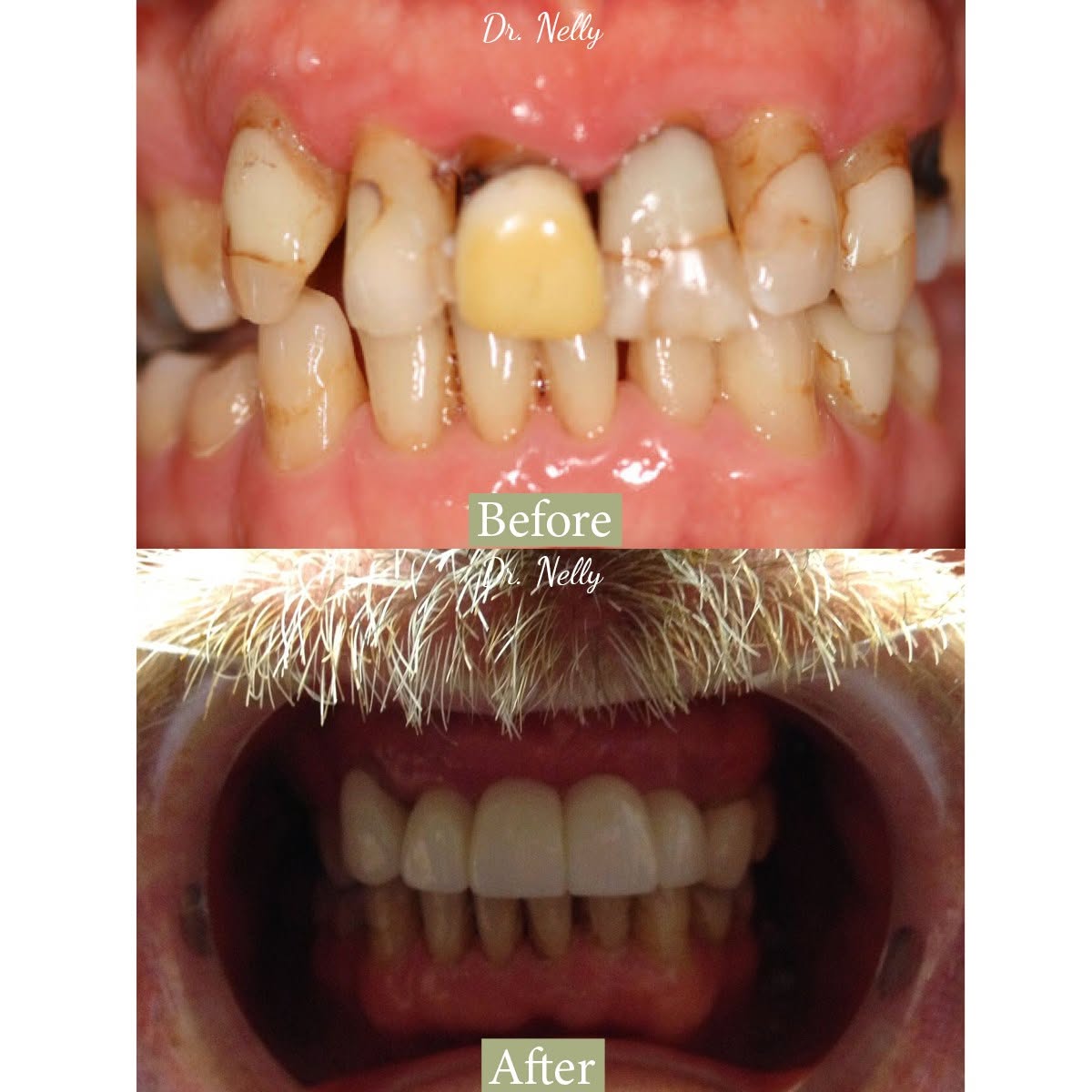
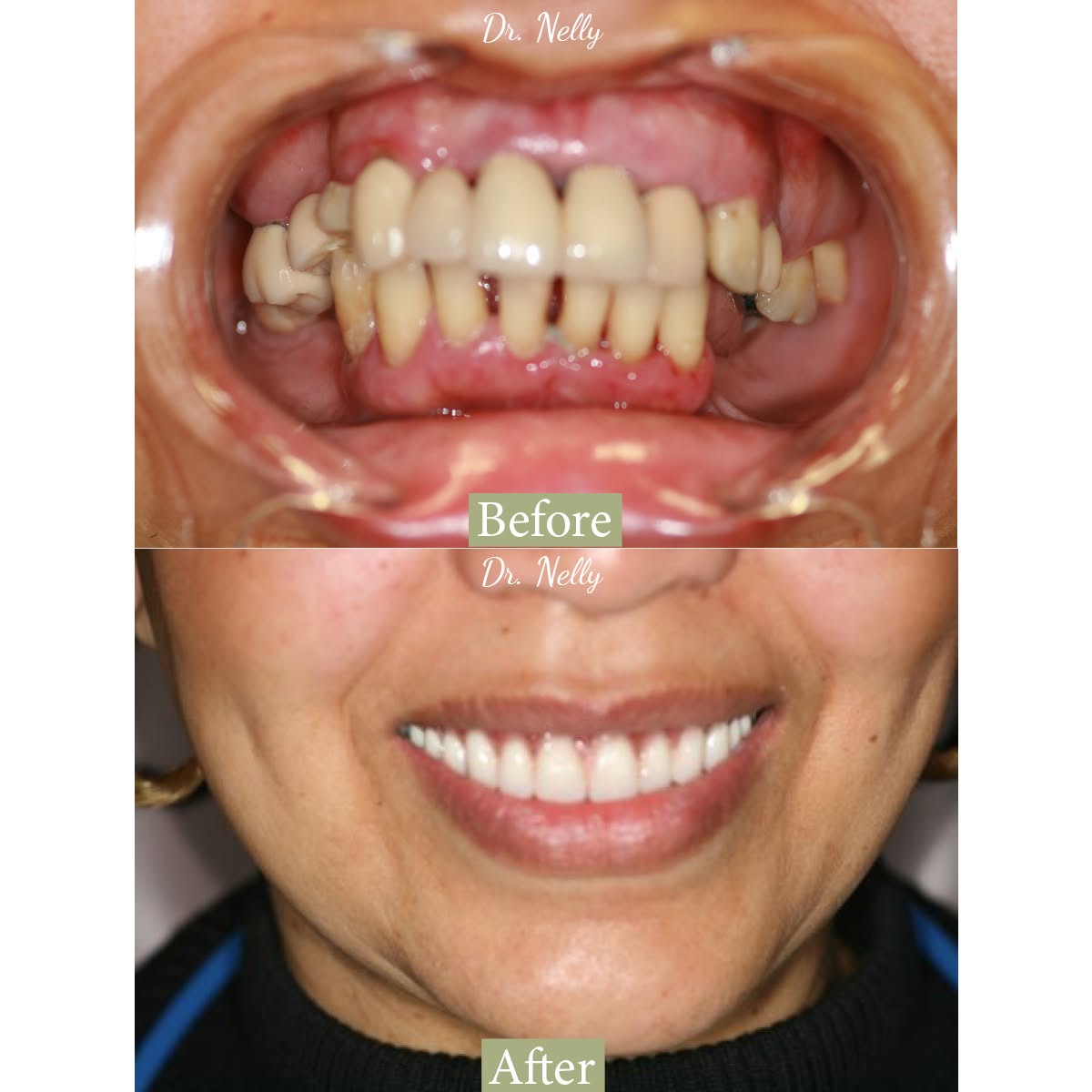
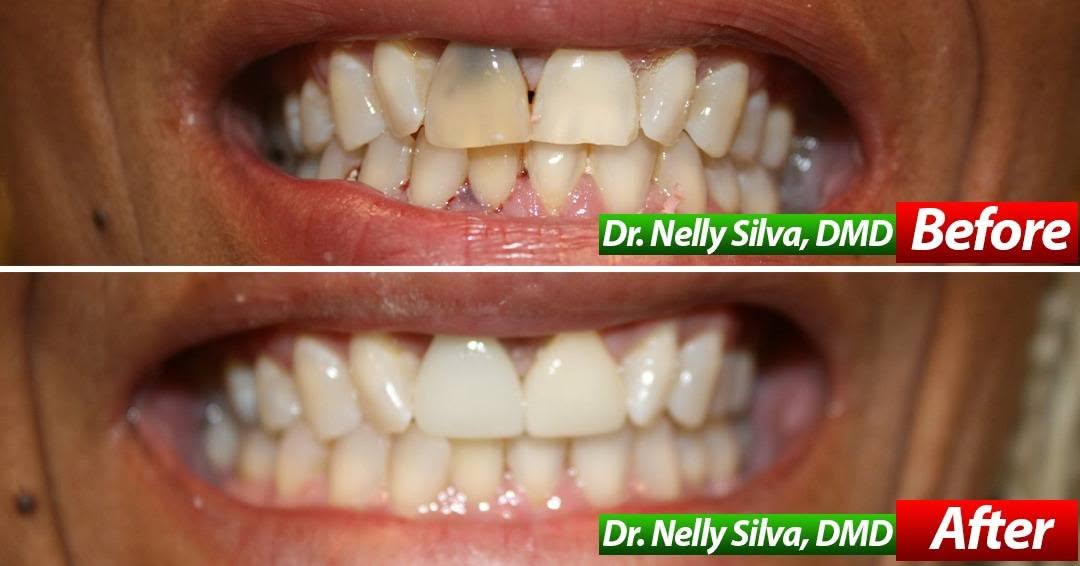
"Had a major procedure done and the entire staff made sure I was comfortable & stress free."
Marian V., Google ReviewTooth decay is damage to the hard outer layers of a tooth caused by acid. Bacteria in dental plaque feed on sugars and starches and release that acid after every meal, snack and sweet drink.
Plaque is the link between the two. It holds acid against the enamel and slowly draws minerals out. Saliva and fluoride put some of those minerals back, so an early weak spot can firm up again. Once the surface breaks into a hole, the tooth cannot rebuild it.
Decay favors the places a toothbrush misses: the grooves of back teeth, the spaces between teeth and the gumline. That is why many cavities cause no pain until they are deep.
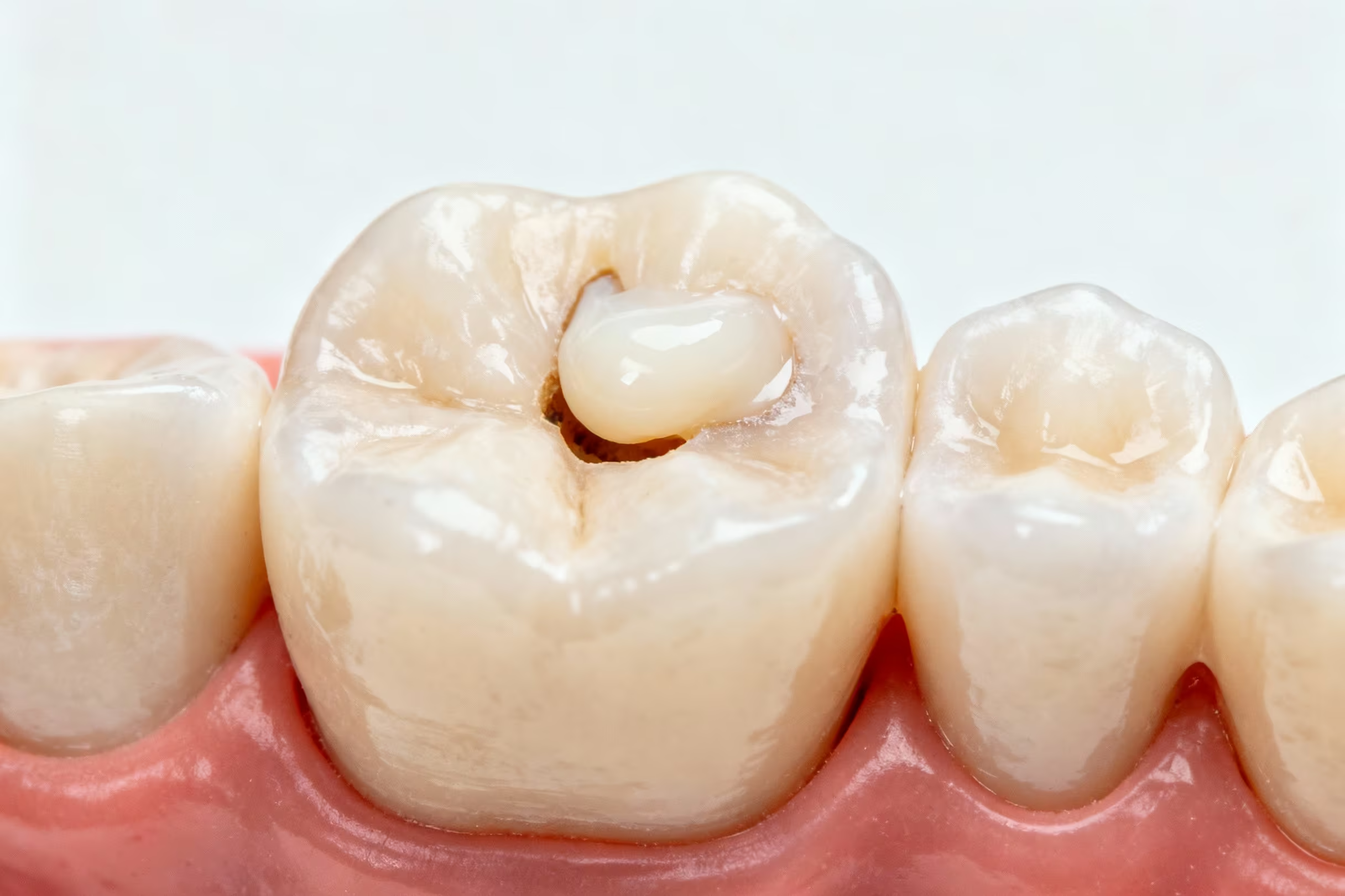
The earlier decay is found, the smaller the repair. This is how each stage usually shows up and what we do about it.
| Stage | What you may notice | How we treat it |
|---|---|---|
| Stage 1 Enamel Weakening | Chalky white spots, usually with no pain at all. | Fluoride, sealants and home care to firm the enamel back up. No drilling needed. |
| Stage 2 Enamel Cavity | A brown or dark spot, floss that catches, mild sensitivity to sweets. | A small filling that removes the decay and seals the tooth. |
| Stage 3 Dentin Decay | Sharper sensitivity to cold or sweets, a twinge when biting. | A larger filling, or a crown when too little tooth is left to hold one. |
| Stage 4 Nerve Involvement | Throbbing pain, an ache that lingers after hot or cold, pain that wakes you. | Root canal therapy to clear the infection, usually followed by a crown. |
| Stage 5 Abscess | Swelling, a pimple on the gum, a bad taste or fever. | Prompt root canal therapy, or extraction when the tooth cannot be saved. |
Early decay is often silent, so many cavities are found at a routine exam before they ever hurt. These signs mean decay may already be underway.
A quick zing from cold drinks, ice cream or sweets, in one tooth or one area.
Tenderness when you chew can mean decay has reached deeper layers or weakened the tooth.
White chalky patches, or brown and black spots that do not brush away.
A pit your tongue keeps finding, or floss that shreds in the same spot.
Food that packs between the same two teeth after every meal.
Pain that outlasts the trigger or wakes you at night needs prompt care, since the nerve may be involved.
EmergencySwelling that spreads toward the eye, jaw or neck, or trouble swallowing or breathing, needs the nearest emergency room right away.
We treat the tooth in front of us and the reasons it decayed, so the repair lasts.
A full exam and digital x-rays show decay between teeth and under old fillings. When we need more detail, our Vatech CT scanner images the tooth in 3D.
You see what we see. We show you the images, name the stage and lay out each option, including what happens if you wait.
The Wand delivers anesthetic slowly and steadily for a gentler start. Conscious sedation is available for anxious adults, and sedation for children.
We remove the decay and rebuild the tooth with a filling, crown or root canal therapy. Our iTero Element scanner takes digital impressions when a crown is needed.
"The x-ray showed an abscess tooth which needed a root canal. I was treated with compassion and empathy."
Denice H., Google ReviewAnyone with teeth can get decay, but risk is not equal. These are the patterns we look for, with the prevention we offer for each.
Baby teeth have thinner enamel, so decay spreads through them quickly. Research has linked tobacco smoke at home to roughly twice the risk of cavities in young children, so a smoke-free home protects teeth too.
Saliva rinses away food and neutralizes acid. Mouth breathing, snoring and many medications dry the mouth and leave teeth exposed. Dr. Silva is a Diplomate in Dental Sleep Medicine, so we look at breathing and sleep when decay keeps coming back.
Decay often starts at the edge of an aging filling or crown, and on root surfaces exposed by gum recession. Roots have no enamel, so decay there moves faster.
Your cost depends on the stage of decay and the repair it needs. A small filling is a far simpler visit than a root canal and crown, which is the strongest financial reason to treat decay early.
We do not accept Medicaid insurance.
Dr. Silva diagnoses and restores decayed teeth, and Dr. Strassberg treats the gum disease and recession that expose roots to decay.
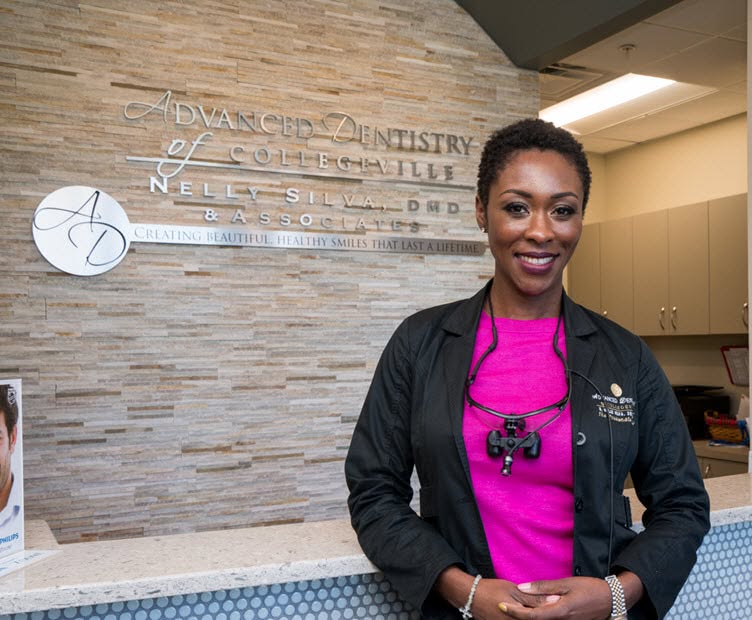
DMD, Temple University Kornberg School of Dentistry . Fellow, International College of Dentists . Diplomate in Dental Sleep Medicine
Dr. Silva is a Clinical Associate Professor at Temple's Kornberg School of Dentistry and performs fillings, root canals and extractions in our office. She invites patients to call her Nelly.
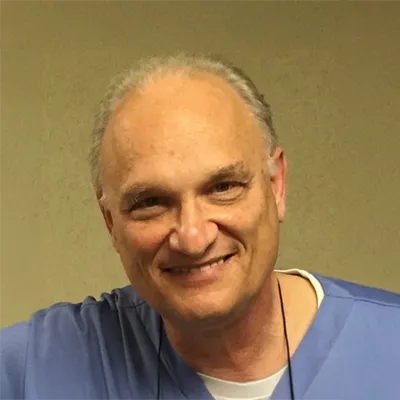
Periodontics
Dr. Strassberg is skilled in all aspects of periodontics. He treats the gum recession and gum disease that leave root surfaces open to decay.
Straight answers to what patients ask us most about cavities.
Plaque is the sticky film of bacteria that causes cavities. The bacteria in it turn sugars into acid, and plaque holds that acid against the tooth. Daily brushing and flossing remove plaque, and professional cleanings remove the hardened tartar a toothbrush cannot.
Early enamel weakening, seen as a chalky white spot, can firm up again with fluoride, less frequent sugar and good home care. Once decay breaks through into a hole, the tooth cannot rebuild it and the cavity keeps growing. A filling at that point stops it while the repair is still small.
Most patients feel pressure rather than pain once the tooth is numb. We use The Wand, which delivers anesthetic slowly and steadily for a gentler start. Conscious sedation is available for patients with dental anxiety.
The cost depends on the tooth, since molars have more canals than front teeth, and on whether a crown is needed afterward. We are in-network with all PPO dental insurance plans and offer payment plans and a dental savings plan. We go over your own cost with you after the exam.
Sealants on the back teeth, fluoride when advised, fewer sips and snacks between meals and a smoke-free home all lower a child's risk. Regular checkups let us catch weak spots before they become cavities. We offer pediatric dentistry, with sedation for children when it is needed.
Decay moves from the enamel into the softer dentin and then toward the nerve. Once it reaches the nerve, the tooth usually needs a root canal, and infection can form an abscess. A tooth too broken down to save may need to be extracted.
One exam shows where decay is and how far it has gone. Our office is at 399 Arcola Road, Collegeville, PA 19426.