Routine cleanings, deep cleanings and gum care in one office, with a dentist's exam at every visit and periodontics in-house when your gums need more than a polish.
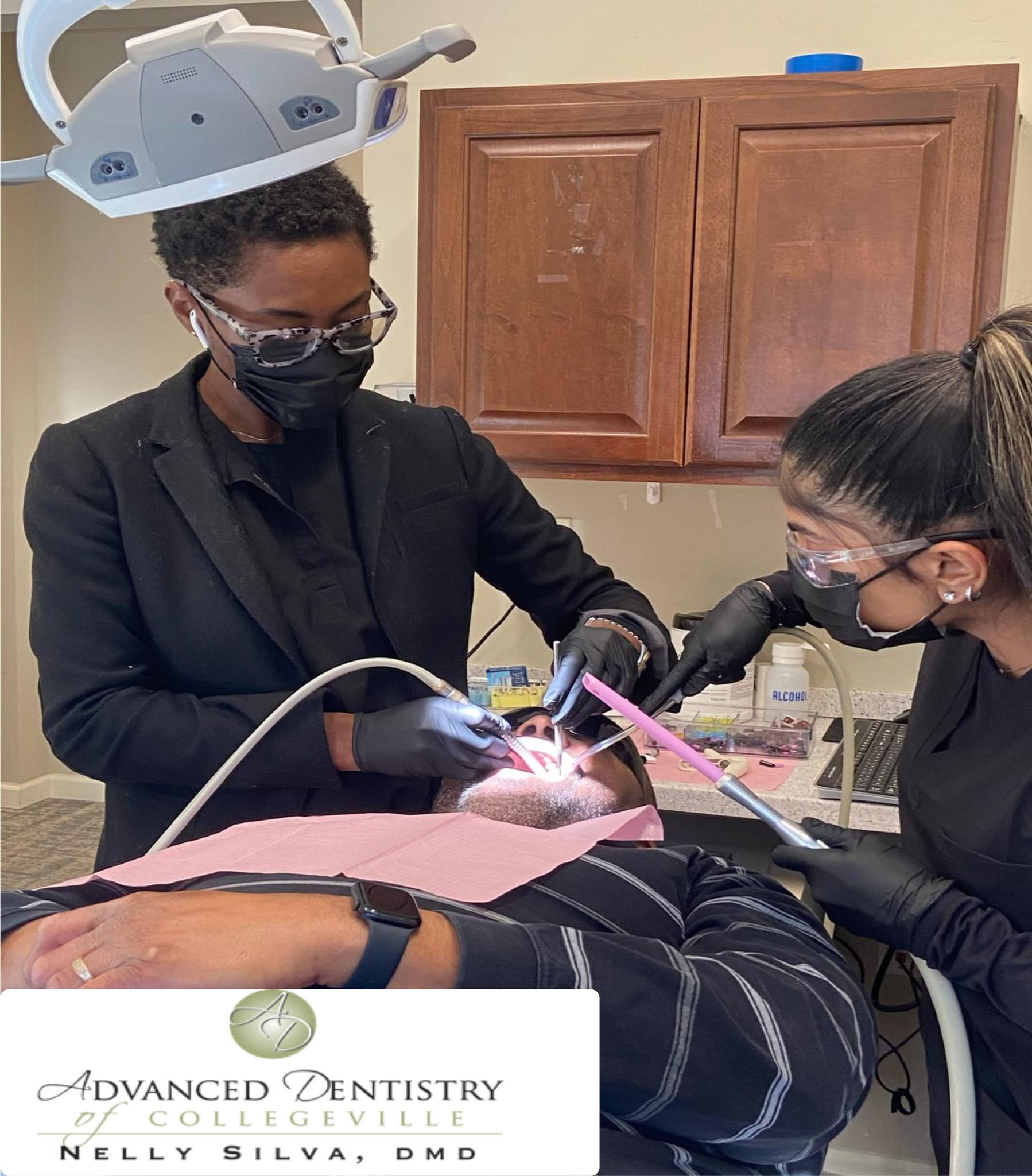
A dental cleaning, also called a prophylaxis, removes the plaque and hardened tartar that brushing and flossing leave behind. Tartar bonds to enamel along and just under the gumline, where only dental instruments can lift it off. Left in place, it feeds the bacteria behind cavities, bleeding gums and bad breath.
In our office a cleaning is never just a polish. Every visit pairs the hygiene work with a dentist's exam, so small problems are found while they are still simple to fix.
A routine cleaning and exam usually fits into a single visit. Deep cleanings follow the same path, with numbing and often a second appointment.
We review your health history, medications and anything new since your last visit. X-rays are taken when due.
Plaque and tartar are removed from every tooth surface and along the gumline, including the spots a toothbrush misses.
A polishing paste lifts surface stains, then professional flossing clears what is left between teeth.
When recommended, fluoride strengthens enamel for children and for adults at higher risk of cavities.
The dentist checks teeth, gums, bite and soft tissue. Our office uses Identafi technology for oral cancer screening.
Not every cleaning is the same appointment. What the exam shows about your gums decides which one you need, and we explain why before any work begins.
| Compare | Routine Cleaning | Deep Cleaning | Periodontal Maintenance |
|---|---|---|---|
| Who It Is For | Healthy gums or mild gingivitis | Gum pockets with tartar below the gumline | Patients who have finished gum disease treatment |
| What Is Cleaned | Tooth surfaces above and at the gumline | Root surfaces below the gumline, smoothed so gums can heal against the tooth | Above and below the gumline, with close attention to treated areas |
| Comfort | Usually no numbing needed | Local numbing, delivered with The Wand | Numbing for sensitive areas as needed |
| How Often | Typically every six months | Once, often over two visits | Often every three to four months |
Deep cleanings, laser periodontal treatment and other gum therapy are provided in our office by Dr. Michael Strassberg, so your cleanings and gum care stay in one chart.
Six months is the usual interval, not a rule for everyone. Your gums, cavity risk and history set your schedule.
Adults and children with healthy gums. Twice-yearly visits keep tartar from building up and let the dentist spot changes early.
Our pediatric cleanings pair with fluoride and dental sealants, which protect the chewing surfaces of back teeth from decay.
A history of gum disease, braces, diabetes or heavy tartar buildup can call for visits every three or four months.
Many patients return after a long gap. We start with a full exam and a clear plan, and the focus stays on what comes next.
Bleeding when you brush, tender or puffy gums and breath that lingers are reasons to come in before your six months are up.
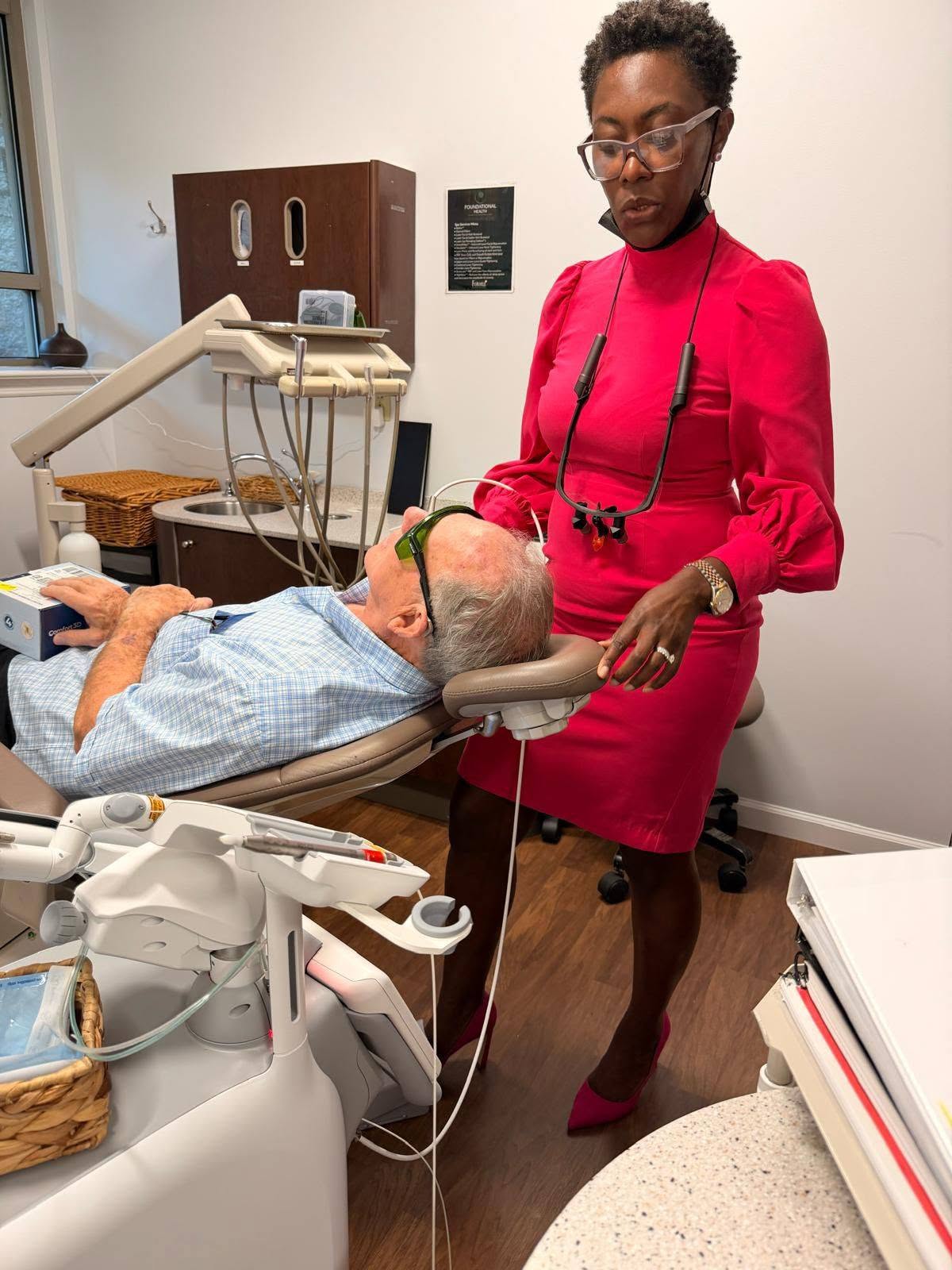
Many patients come to us after years away or with real dental anxiety. We explain each step before we start. When a deep cleaning calls for numbing, The Wand delivers the anesthetic with computer-controlled flow rather than a traditional syringe.
★★★★★After receiving a deep cleaning and laser treatment, my gums don't bleed when I brush anymore.
Kawaii Crafters, Google Review
★★★★★I also have dental anxiety and the atmosphere & team was super calming and eased my nerves.
Liz Antenucci, Google Review
★★★★★Dr. Silva and her team were so helpful and welcoming and made the experience so easy.
Kyla Kane, Google Review
Your cleaning, your exam and any gum treatment it leads to are handled by one team that shares your chart and your plan.

Dr. Silva leads our general dentistry team and reviews what your cleaning and exam show. She asks patients to call her Nelly.

Dr. Strassberg is skilled in every area of periodontics. When a cleaning shows gum disease, he provides the deep cleaning, laser therapy and maintenance care in the same office.
Your cost depends on the type of cleaning you need and on your coverage. We review your benefits with you before treatment.
We accept all PPO dental insurance plans, and many plans include preventive cleanings and exams. We do not accept Medicaid.
No dental insurance? Our dental savings plan is an option for patients paying on their own.
If your exam leads to deep cleaning or other treatment, payment plans spread the cost over time.
Answers about cost, stains, comfort and how cleanings work in our Collegeville office.
The cost depends on whether you need a routine or deep cleaning, and on your coverage. We accept all PPO dental insurance plans, and many include preventive cleanings and exams. Without insurance, our dental savings plan is an option.
A cleaning removes surface stains from coffee, tea, wine and tobacco, and it removes yellow or brown tartar, so many smiles look brighter afterward. It does not change the natural shade of the enamel or stains inside the tooth. That takes teeth whitening, which we can talk through at your visit.
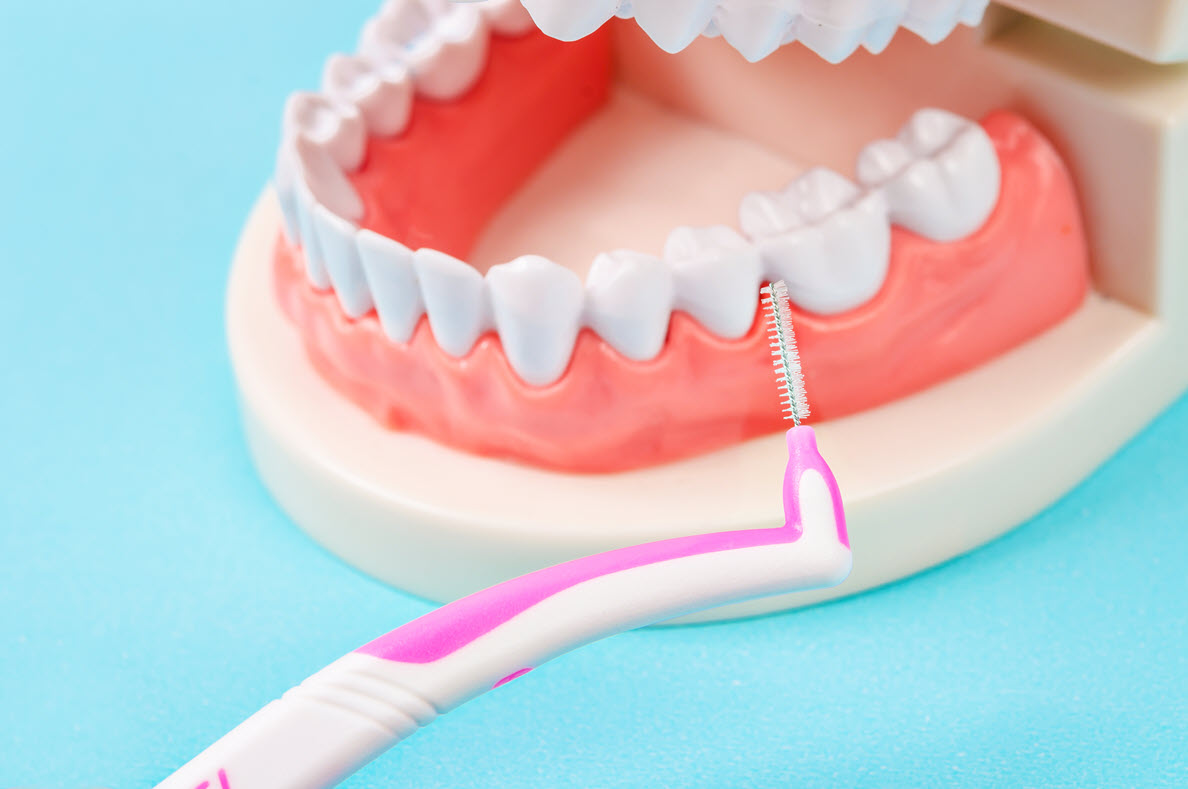
Brush twice a day, for two minutes each time, and see your dentist twice a year. It is an easy way to remember the basics of preventive care. Add daily flossing or an interdental brush to clean the spaces a toothbrush cannot reach.
Hygienists use ultrasonic scalers, which loosen tartar with vibration and a water spray, plus fine hand instruments for detail work. Polishing paste and professional floss finish the cleaning. In our office the exam can include Identafi oral cancer screening.
Most routine cleanings feel like pressure and scraping rather than pain. Sensitive spots usually point to inflamed gums or exposed roots, and we can slow down or adjust as we go. Deep cleanings below the gumline are done with local numbing.
A routine cleaning and exam is usually finished in a single visit of about an hour. A first visit, or one with X-rays due, can run a little longer. Deep cleanings are often split into two visits, one for each side of the mouth.
Whether it has been six months or six years, your next cleaning starts with a thorough exam and a plan you understand.
399 Arcola Road, Collegeville, PA 19426