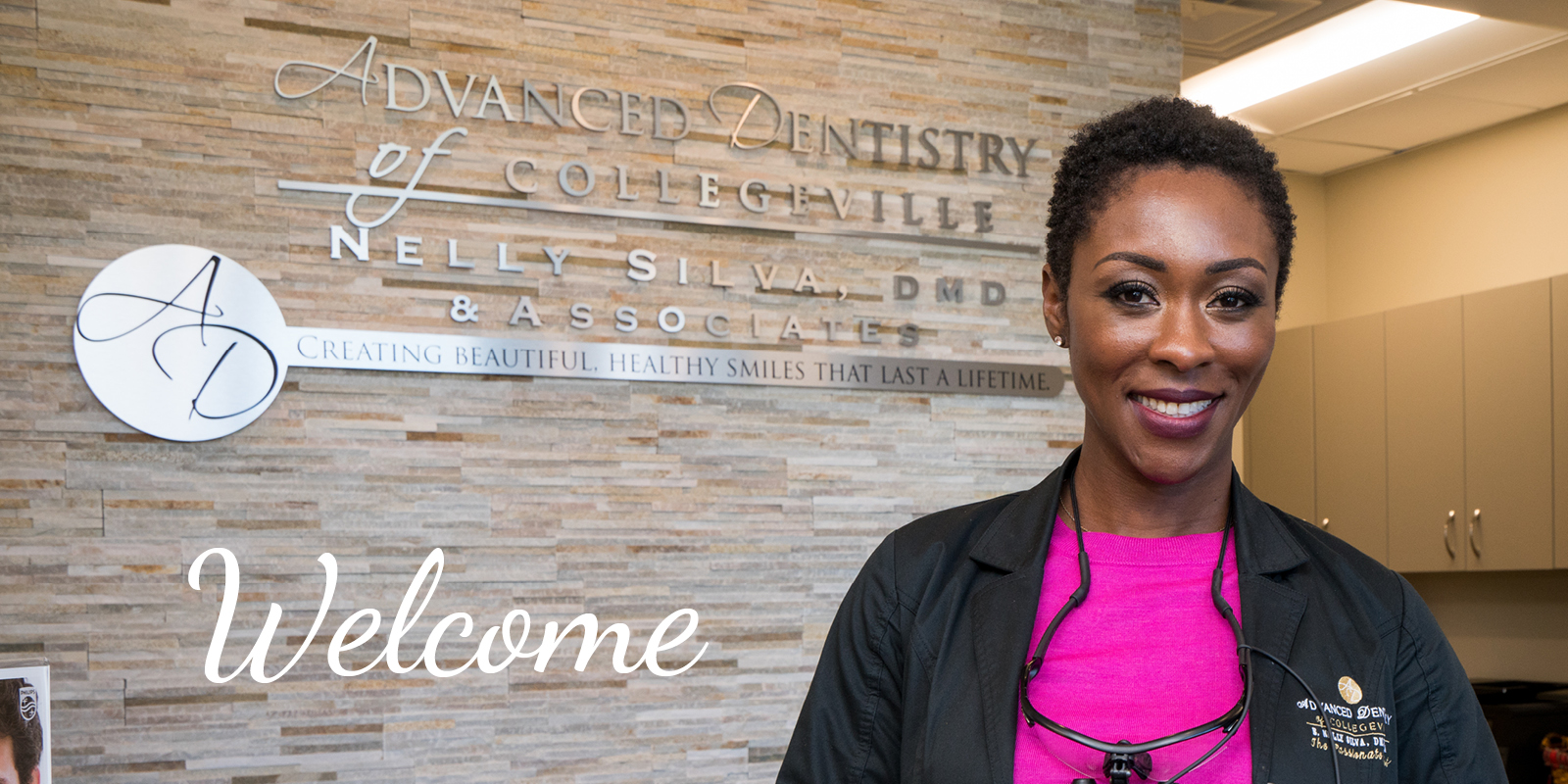
Dr. Nelly Silva, a Fellow of the American Academy of Craniofacial Pain, checks how your teeth meet with a digital iTero bite scan and, when needed, in-office K7 jaw measurement.
Your bite is the way your upper and lower teeth meet when you close, chew and swallow. A bite assessment looks at whether they meet evenly and whether your jaw joints and muscles are comfortable doing that work.
Dentists call this occlusion. When a few teeth hit first or the jaw has to shift to close, the extra force shows up as wear on the teeth, strain in the jaw muscles or noise in the joints. Many of these changes are gradual, so patients often notice the symptoms long before anyone connects them to the bite.
Dr. Silva trained in neuromuscular dentistry, which looks at the teeth, the jaw joints and the muscles that position the jaw as one system. Your assessment covers all three.
Each of these has other possible causes, which is why we measure before recommending treatment. Tell us which ones sound familiar.
Flat or shortened teeth, or chips that appear without an injury.
A partner hears grinding at night, or you catch yourself clenching during the day.
Tension in the temples or forehead that is worst when you wake up.
Popping when you open, a jaw that tires while chewing or stiffness in the morning.
One tooth that aches under pressure, or sensitivity near the gum line.
Your teeth feel off after a filling or crown, or they no longer fit together the way they used to.
New teeth and moved teeth have to meet correctly, so we check the bite while planning.
Clenching often appears alongside snoring and poor sleep, so we look at both.
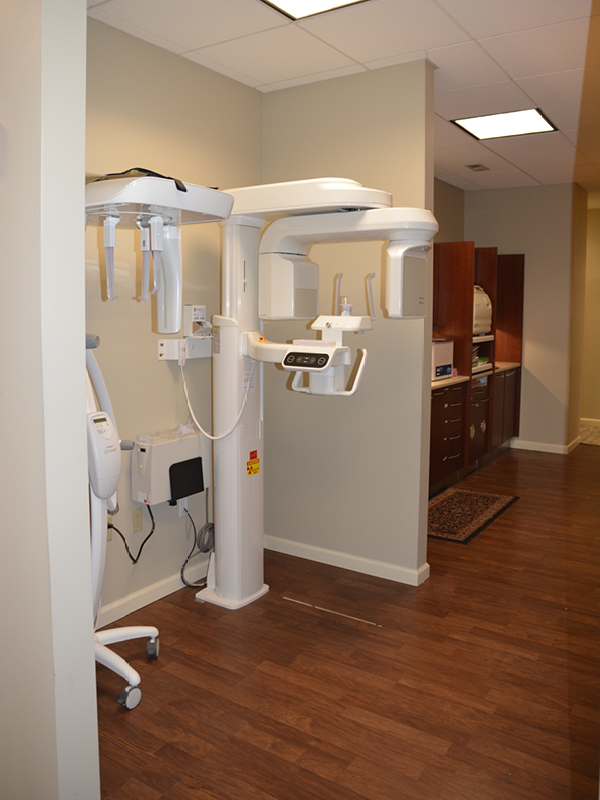
A bite assessment is only as good as what it can measure. We keep the imaging and measurement tools in our own office, so the scan, the images and the conversation happen in the same visit.
Most patients need only the first column. The second is for symptoms that point to the jaw muscles and joints, and Dr. Silva recommends it only when the exam supports it.
| Factor | Routine Bite Check | Neuromuscular Evaluation |
|---|---|---|
| Who It Suits | Every patient, including those planning Invisalign, crowns or implants | Patients with jaw pain, clicking, headaches or clenching that the exam links to the bite |
| What We Check | Tooth contact, wear, alignment and a screening of the jaw joints and muscles | Jaw position at rest, muscle activity and joint sounds, compared with how you bite now |
| Tools | Exam, iTero Element bite scan and X-rays or CT when needed | TENS muscle relaxation and K7 computerized jaw analysis |
| What Follows | Often no treatment, or a small adjustment, a guard or a note for your treatment plan | Often a custom orthotic, with a plan built from the measured jaw position |
The visit moves from your story to measurement to a plan you understand. Nothing about your teeth changes during the assessment itself.
We ask about headaches, jaw pain, clenching, sleep and past dental work, and what made you want your bite checked.
Dr. Silva checks how your teeth meet, looks for wear and gently feels the jaw joints and muscles as you open and close.
An iTero scan records your bite in 3D. X-rays or a CT scan are added when the joints or bone need a closer look.
We show you the scan on screen and explain what is normal, what is wearing and what may be linked to your symptoms.
You leave knowing your options, including whether a neuromuscular evaluation with TENS and K7 makes sense.
The right next step depends on what the assessment finds. Dr. Silva walks you through every option before anything changes.
Many bites are healthy. You leave with a baseline scan we can compare against at future visits.
A custom appliance protects teeth from grinding or holds the jaw in a measured, relaxed position.
Small changes to the biting surfaces even out how the upper and lower teeth meet.
Moving the teeth lets them meet in a better position. Dr. Silva completed a 2-year program with the International Association of Orthodontics.
Worn or broken teeth are rebuilt so they hold the bite. Full mouth reconstruction treats wear across every tooth.
Jaw joint symptoms move into our TMJ care. Snoring or tired mornings can lead to a sleep apnea appliance.
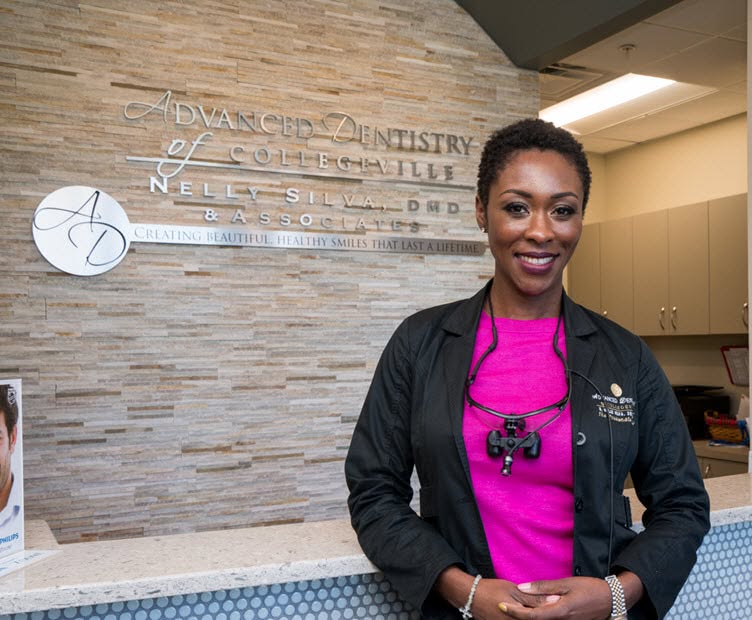
Bite and jaw care is a postgraduate focus for Dr. Silva. She completed a TMD residency with the American Academy of Craniofacial Pain, where she is a Fellow, and graduated from the Las Vegas Institute for Advanced Dental Studies, a postgraduate center for aesthetic and neuromuscular dentistry. She has discussed TMD on CBS 3's American Health Front.
She earned her DMD at Temple University's Kornberg School of Dentistry, where she now teaches as a Clinical Associate Professor. Patients are welcome to call her Nelly.
★★★★★I got clear aligners through this office, and not only does my smile look amazing, but my bite feels so much more comfortable.
Tiffany, Google Review
★★★★★Takes time for questions and gives detailed explanations. I felt very comfortable and relaxed.
Lynn Maison, Google Review
Your cost depends on whether a routine bite check answers your questions or you need a full evaluation and an appliance. We explain fees before any treatment begins.
We accept all PPO dental insurance plans and check your benefits for bite and TMJ care with you. We do not accept Medicaid.
Payment plans let you spread the cost of an appliance or treatment over time.
Without dental insurance, our dental savings plan is another way to manage the cost of care.
Straight answers about symptoms, the visit and what comes next. Ask us anything else when you come in.
Common signs include teeth that look flat, chipped or worn, a jaw that clicks or feels tired, morning headaches and a bite that feels uneven after a filling or crown. Some patients notice nothing, and we spot the wear during an exam. A bite assessment shows whether the way your teeth meet is part of the problem.
It can contribute. When the teeth do not meet evenly, the jaw muscles may work harder to close, and tired muscles in the jaw and temples can feel like a headache. Headaches have many other causes too, so we look at your muscles, joints and teeth together before linking them to your bite.
No. A routine bite check is an exam, gentle pressure on the jaw muscles and a digital scan with our iTero Element scanner, with no drilling or injections. If you need a neuromuscular evaluation, TENS feels like a light, rhythmic pulse in the face and jaw, and we adjust the level for you.
Yes. Aligned teeth, crowns and implants all have to meet the opposing teeth correctly to stay comfortable and last. Dr. Silva checks your bite while planning this kind of work so the new teeth or tooth positions fit how your jaw actually closes.
It depends on the cause. Options range from small adjustments to how the teeth meet, to a custom guard or orthotic, Invisalign, restorations or TMJ care. We explain what we found and walk you through each option before any treatment begins.
We accept all PPO dental insurance plans, and coverage for bite and TMJ care varies from plan to plan, so we check your benefits with you. We do not accept Medicaid. Payment plans and our dental savings plan are available if you need them.
Clenching and grinding often appear alongside snoring and disrupted breathing at night. Dr. Silva is a Diplomate in Dental Sleep Medicine and wrote the book Breathe Right on the link between nutrition, airway and sleep. If you snore or wake up tired, tell us at your assessment so we can look at your jaw and airway together.
Tell us what you have noticed, from worn teeth to a sore jaw. You leave knowing how your teeth meet, what it means for your symptoms and what, if anything, comes next.
399 Arcola Road, Collegeville, PA 19426