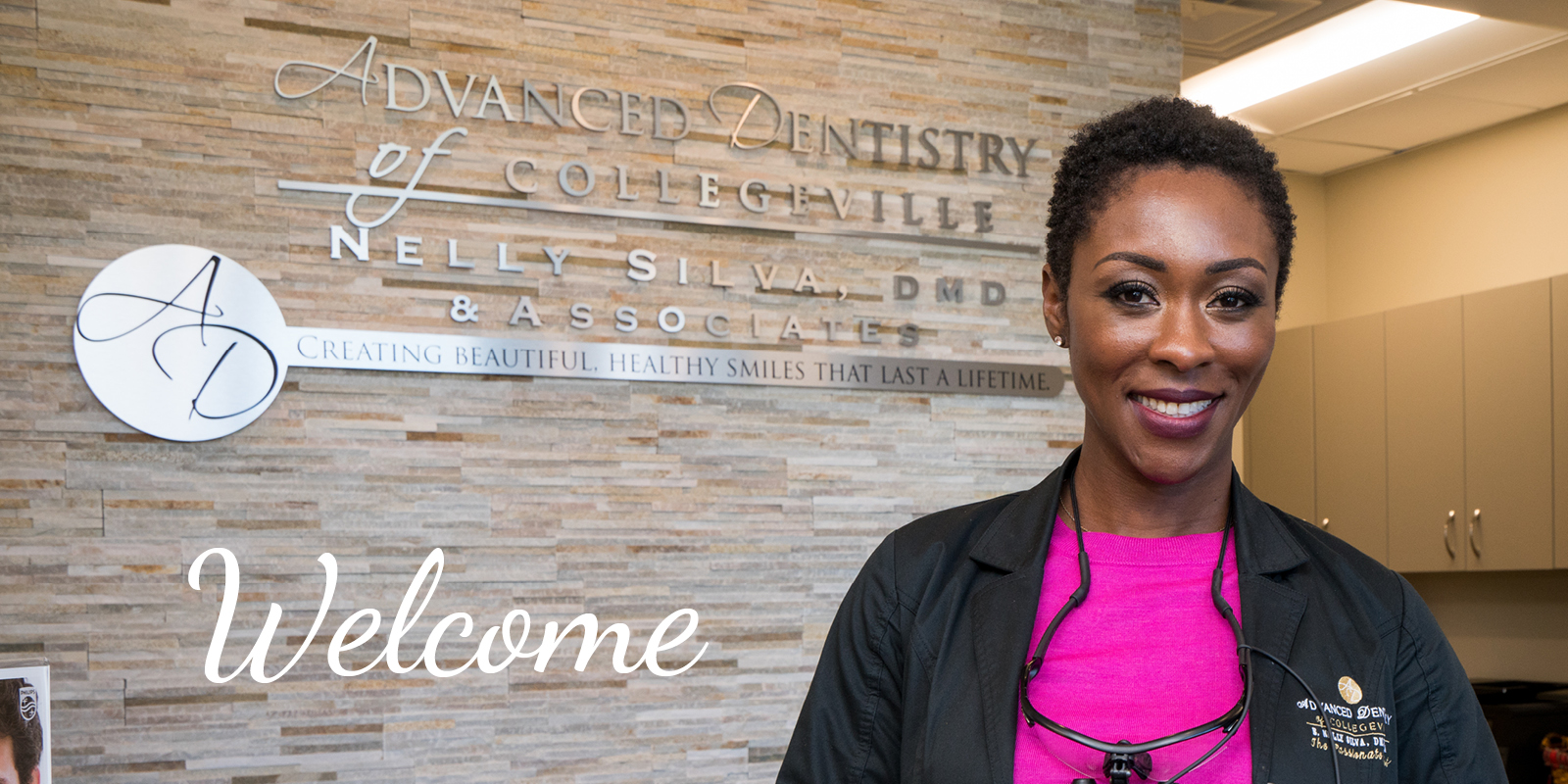
Dr. Nelly Silva saves infected teeth right here in Collegeville, with in-office 3D CT imaging, The Wand computer-assisted anesthesia and sedation for patients who feel anxious.

Root canal therapy removes infected or inflamed pulp from inside a tooth, then cleans, disinfects and seals the space so the tooth can stay in your mouth. The pulp is the soft core of nerves and blood vessels that runs from the crown down through each root. Once bacteria reach it through deep decay, a crack or a hard knock, it cannot heal on its own.
The outer tooth stays where it is, and a crown or filling rebuilds it afterward, so you keep chewing on your own root rather than a replacement. The procedure is also called endodontic treatment.
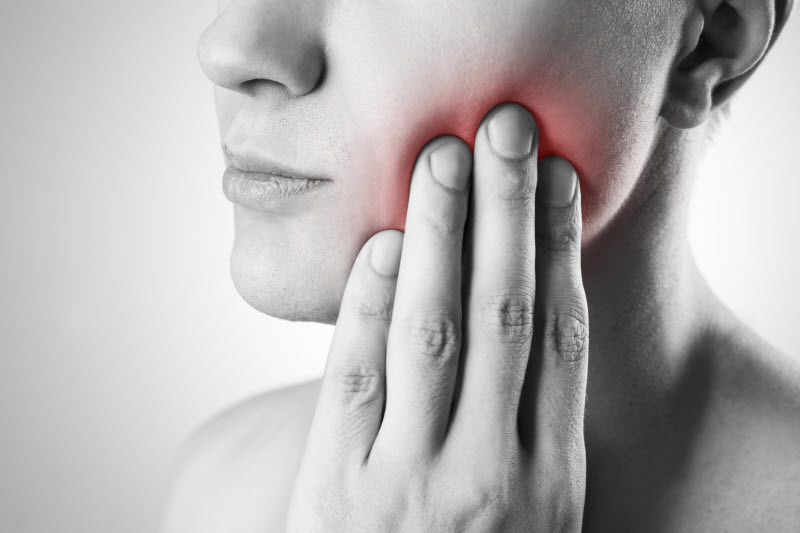
Not every sensitive tooth needs a root canal. These signs point to a problem inside the tooth and are worth an exam soon.
Pain that suddenly stops is not a sign the tooth has healed. It can mean the nerve has died while the infection stays. Some infected teeth cause no pain at all and first show up on an x-ray at a routine visit.
Most root canals are completed in one or two visits. You know the plan and whether you need a crown before we start.
We test the tooth, take x-rays and, when the roots need a closer look, a 3D CT scan.
We numb the area with The Wand. Sedation is available if you feel anxious.
Through a small opening, Dr. Silva removes the pulp and disinfects each canal.
The canals are filled with a rubber-like material and the opening is closed.
Back teeth usually need a crown, scanned digitally with no putty trays.
The numbness wears off within a few hours. A few simple habits protect the tooth while it settles.
Three tools shape how your root canal is planned, how it feels and how the tooth is rebuilt.
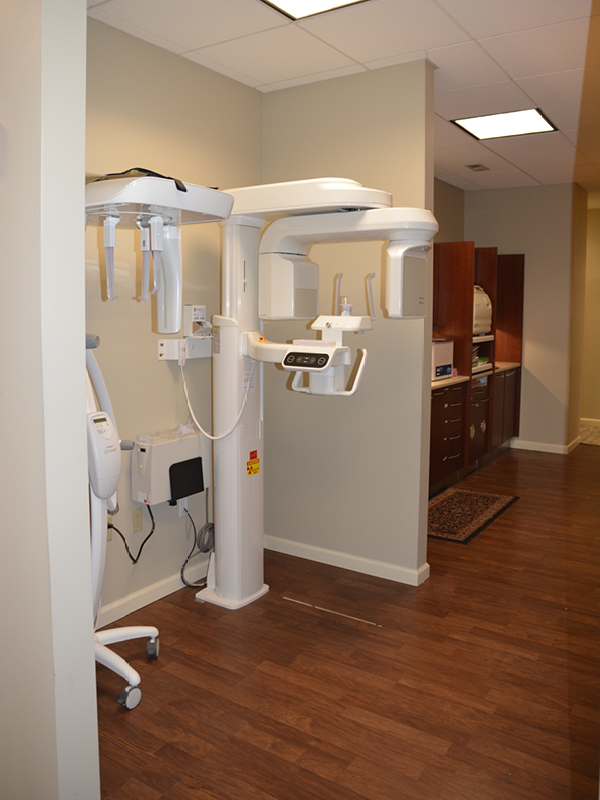
A 3D view of the tooth, its roots and the bone around them. It helps us find extra canals and infection that a flat x-ray can hide.
A computer-controlled system that delivers anesthetic slowly and steadily, designed to make numbing more comfortable than a standard syringe.
A digital impression for the crown that follows your root canal, captured with a small handheld wand rather than trays of putty.
An infected tooth is either saved with a root canal or removed. Dr. Silva performs both and also places implants and dentures, so the advice you get is about your tooth, not one procedure.
| Root Canal Therapy | Extraction | |
|---|---|---|
| Treatment | One or two visits, then a crown if needed. | One visit, then a plan to fill the gap with an implant, bridge or partial denture. |
| Chewing and bite | You chew on your own root, and neighboring teeth stay where they are. | Neighboring teeth can drift into a gap that is left open. |
| Jawbone | The root keeps supporting the bone around it. | Bone can shrink where a tooth is missing. |
| Suits | A tooth with enough healthy structure to restore. | A tooth too broken down or too badly infected to save. |
Fear of the dentist keeps many people away until a tooth hurts. Dr. Silva offers conscious sedation and anxiety management, and we explain each step before we begin so nothing comes as a surprise.
You can ask us to pause at any point during treatment.
★★★★★"The x-ray showed an abscess tooth which needed a root canal. I was treated with compassion and empathy."
★★★★★"Had my first root canal here and they provided comfort and a pain free procedure."
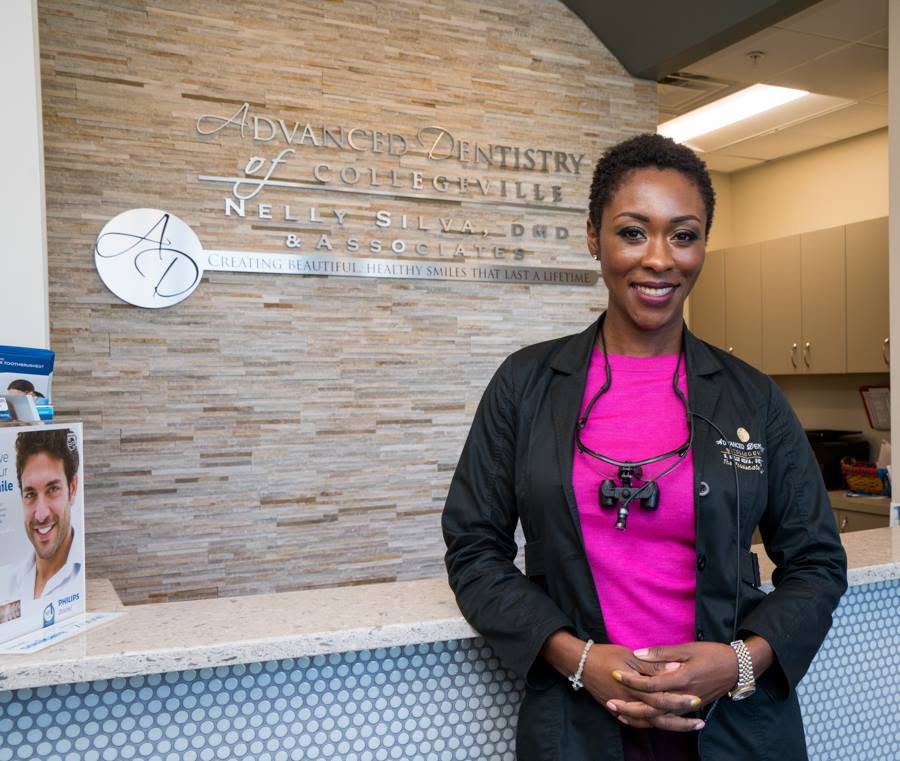
Dr. Silva performs root canals as part of her general and restorative care, so the dentist who treats the infection is the same one who plans the crown that protects it. She asks patients to call her Nelly.
Her implant fellowship matters too. When a tooth cannot be saved, you hear that plainly, along with your replacement options.
The cost of a root canal depends on which tooth is treated, how many canals it has and whether it needs a crown. A molar has more canals than a front tooth, so it takes longer.
We accept all PPO dental insurance plans. Medicaid is not accepted.
No dental insurance? Our in-office savings plan is an option for patients without coverage.
Payment plans let you spread the cost of treatment over time.
No. Root canal, root canal therapy and endodontic treatment are names for the same procedure. Each one removes infected or inflamed pulp from inside a tooth, then cleans and seals it.
We numb the tooth with The Wand, a computer-controlled system, and confirm it is numb before any work starts. Patients who feel anxious can ask about conscious sedation.
Once the pulp is infected or badly inflamed, a filling can no longer fix it, and the choice becomes a root canal or an extraction. If the tooth is too broken down to rebuild, extraction may be the only option.
Our office uses a Vatech CT scan for 3D views of the roots, The Wand for computer-controlled numbing, and the iTero Element scanner for digital crown impressions. Together they make planning more precise and visits more comfortable.
It depends on the tooth, the number of canals and whether you need a crown. We accept all PPO dental plans and offer a dental savings plan and payment plans, and you get an estimate after your exam.
Back teeth usually do, because they take most of the chewing force. A front tooth with plenty of healthy structure can sometimes be restored with a filling.
Antibiotics can calm swelling around the tooth, but they cannot clean the infected tissue inside it. Without a root canal or an extraction, the infection usually returns.
If a tooth aches, has darkened or feels swollen, an exam shows what is happening inside it and what your options are. The sooner we see it, the more likely it can be saved.
399 Arcola Road, Collegeville, PA 19426