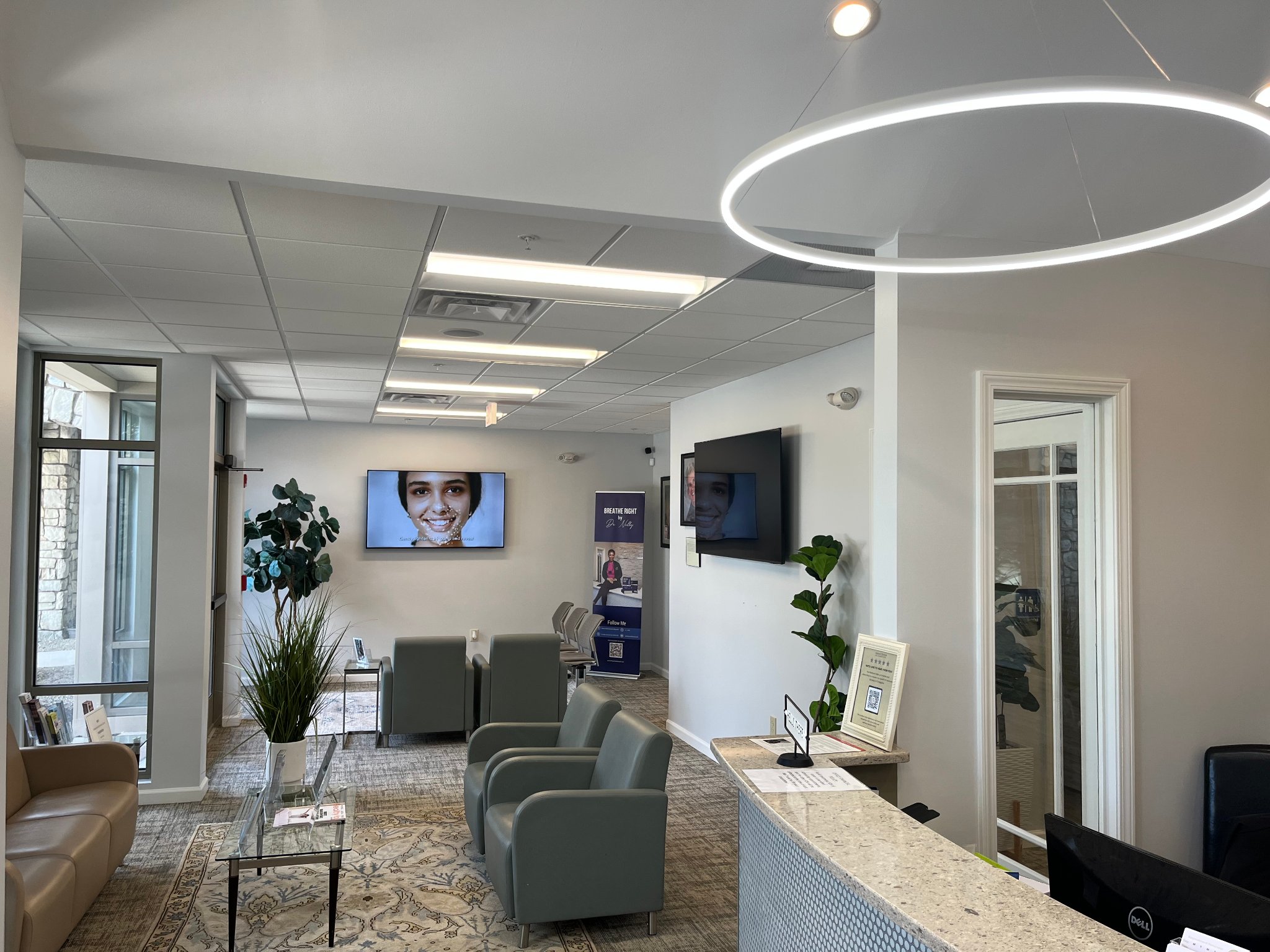
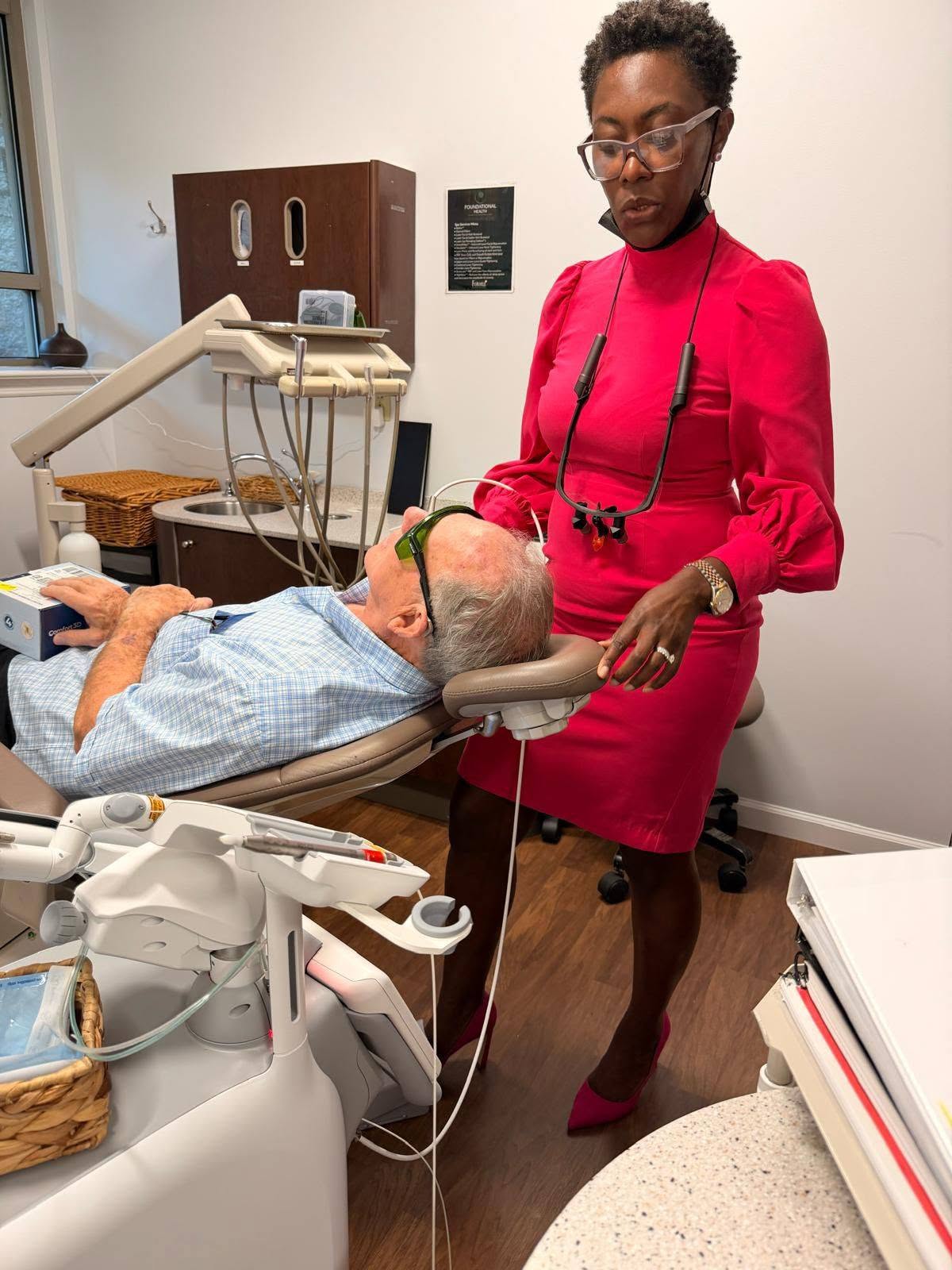
Dr. Nelly Silva rebuilds cracked, worn and root canal treated teeth with custom crowns, and checks each one against your bite before it is bonded.
Every case below is a patient of Dr. Silva, photographed in our office before treatment and again after the new crowns were placed.
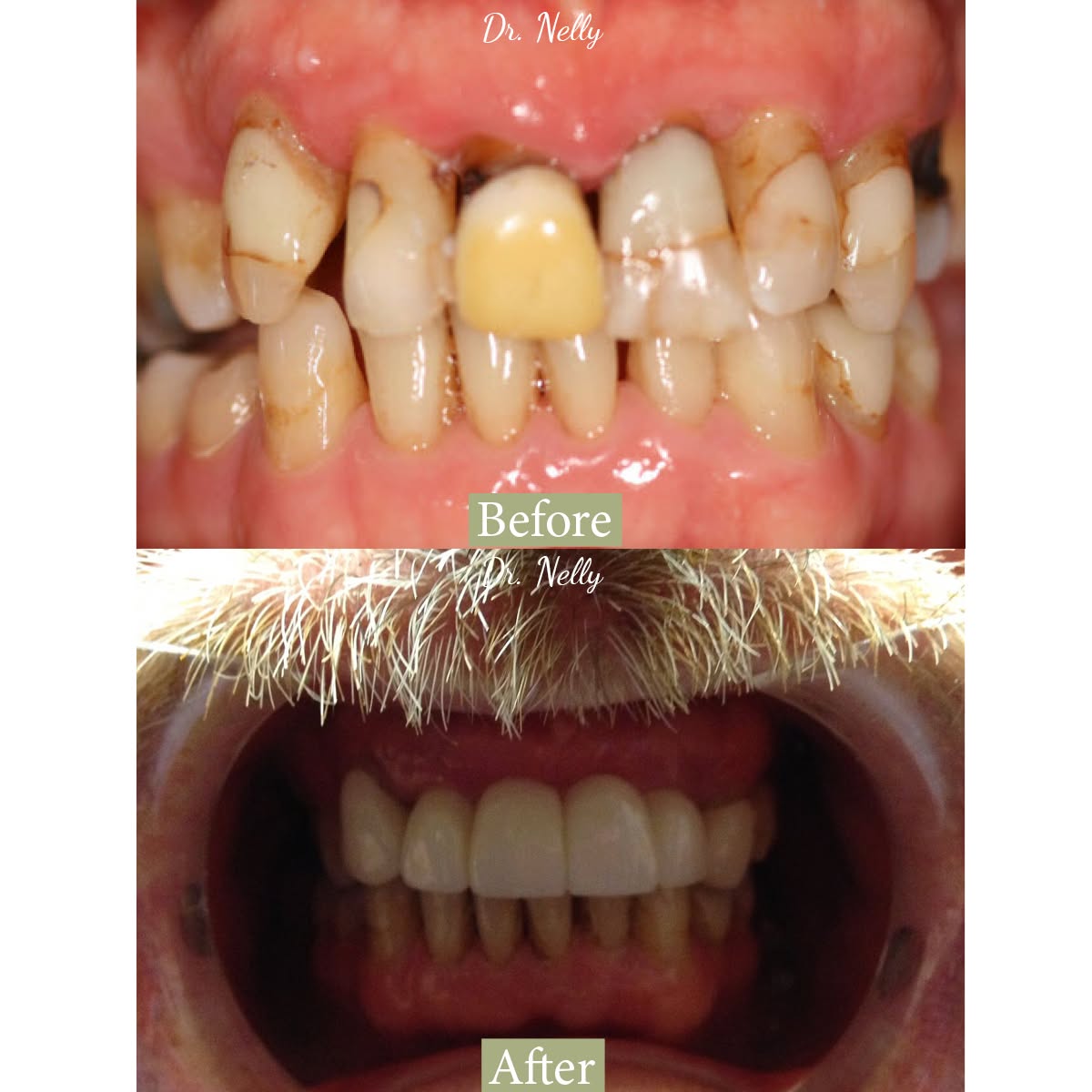 BeforeAfter
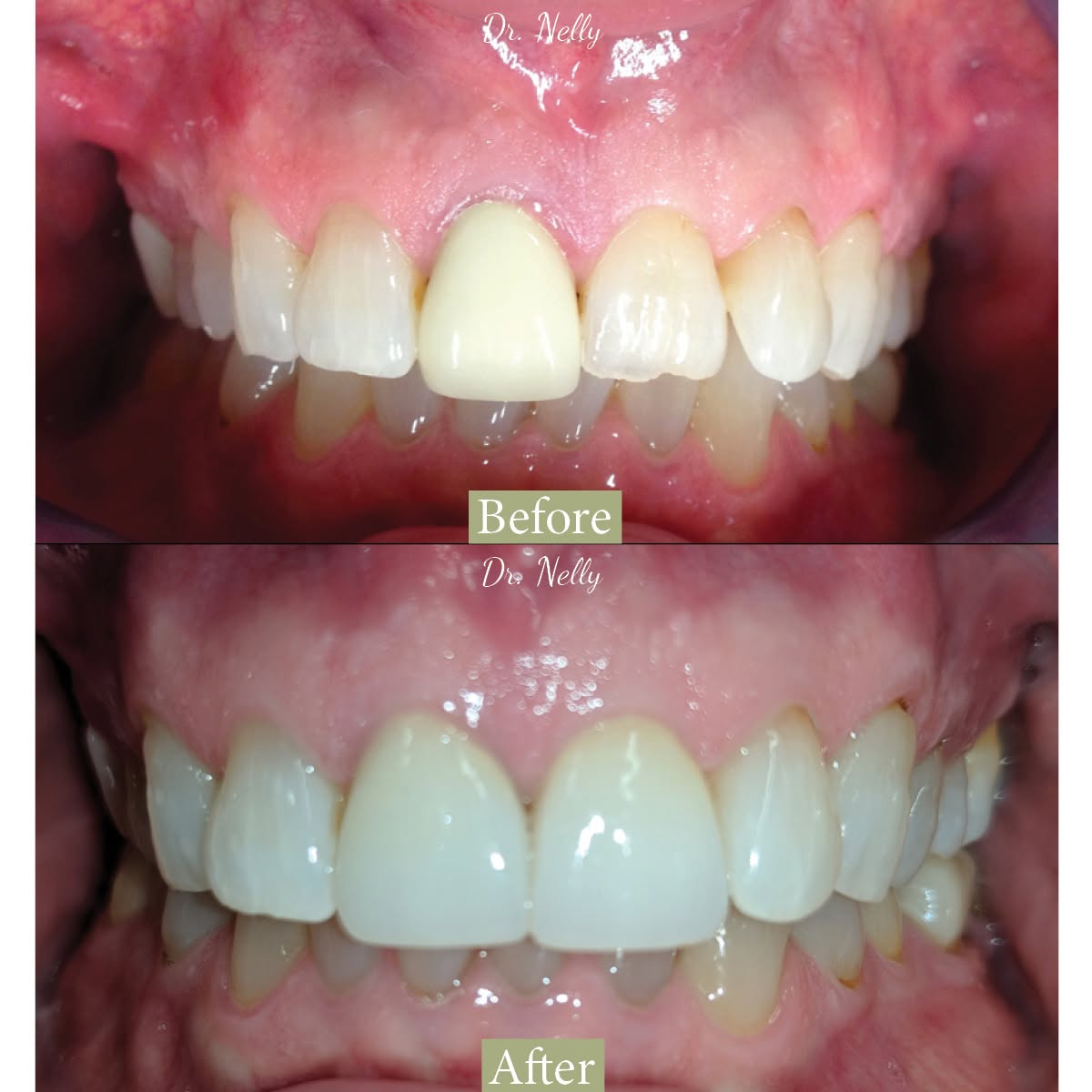 BeforeAfter
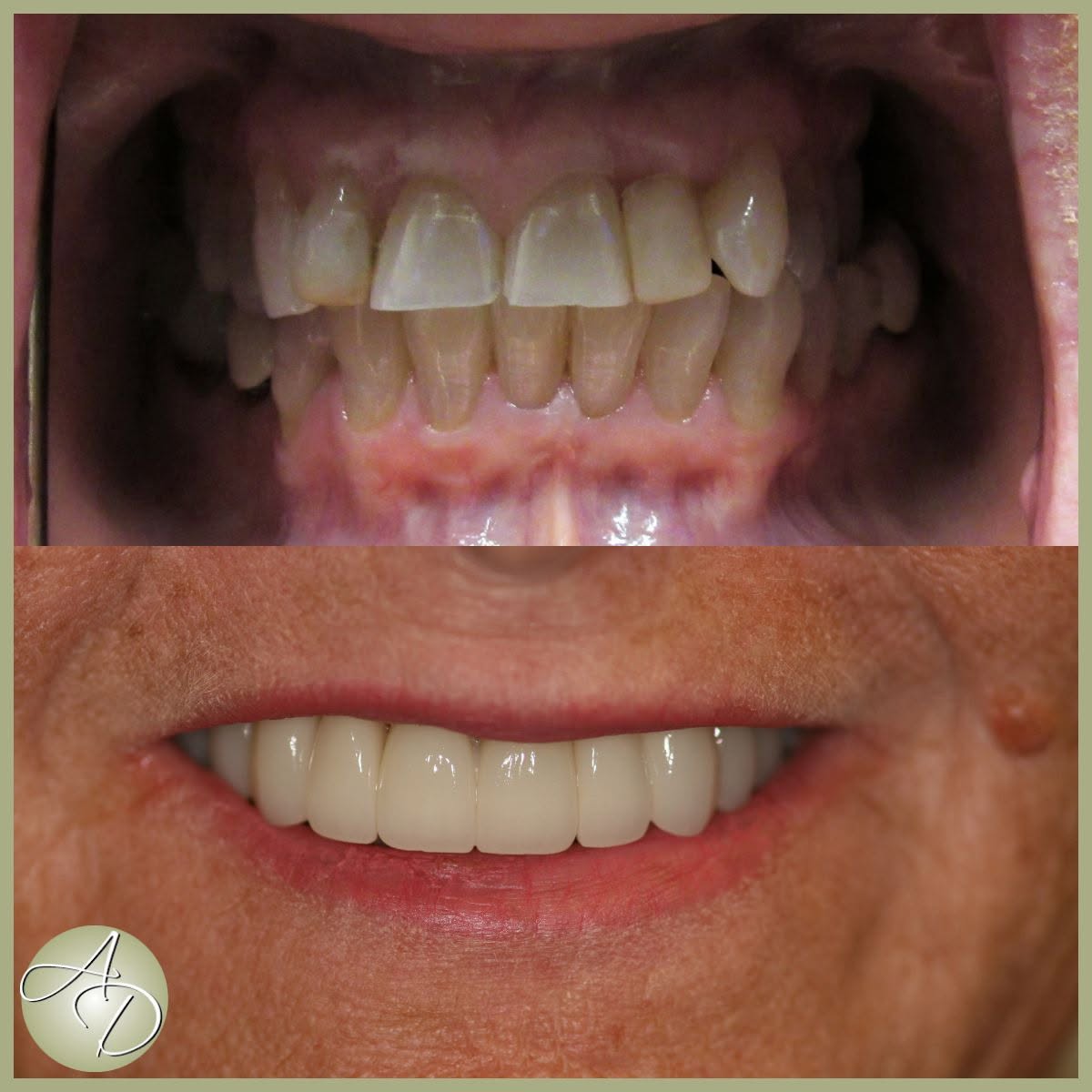 BeforeAfter
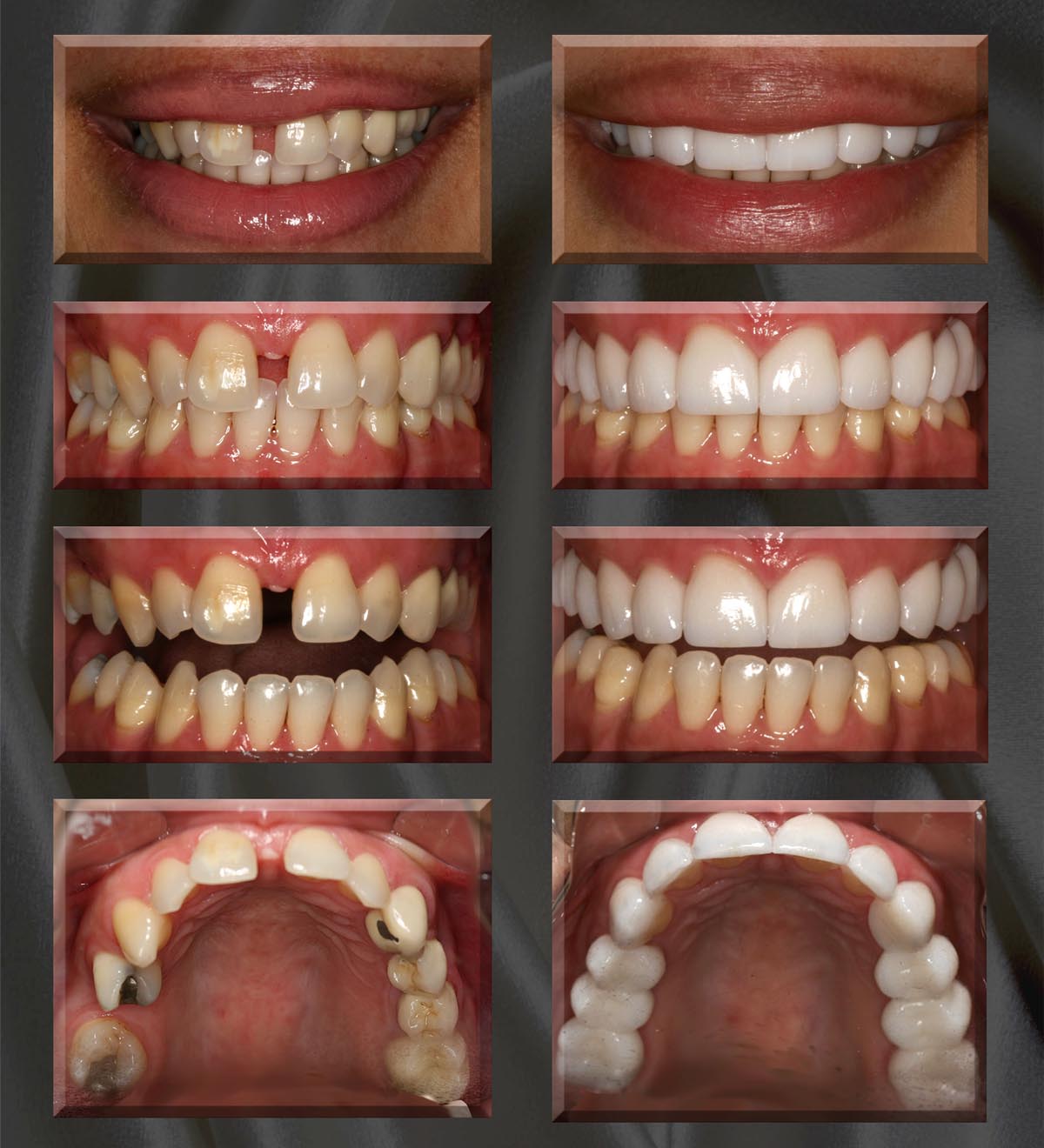 BeforeAfter
A dental crown is a custom cap that covers the entire visible part of a tooth, down to the gumline. It restores the tooth's shape and strength, and it holds a cracked or heavily filled tooth together so it can keep chewing.
A crown only works if it meets the opposing teeth correctly. Dr. Silva trained in neuromuscular dentistry, the study of how the bite, jaw joints and muscles work together, so every crown is adjusted to your bite before it is bonded.
Shade matched to your neighboring teeth, so it is often chosen for front teeth and visible premolars.
A dense, tooth colored ceramic that stands up to heavy chewing forces on back teeth.
Needs the least reshaping of the tooth and suits back teeth that do not show when you smile.
A crown is the right repair when too much of the tooth is damaged for a filling or onlay to hold. Waiting often lets a crack spread or decay reach the nerve.
Root canals are done in our office too, so a tooth that needs both treatments stays with one team.
Most crowns take two visits, usually a couple of weeks apart while your crown is made. You wear a temporary crown in between.
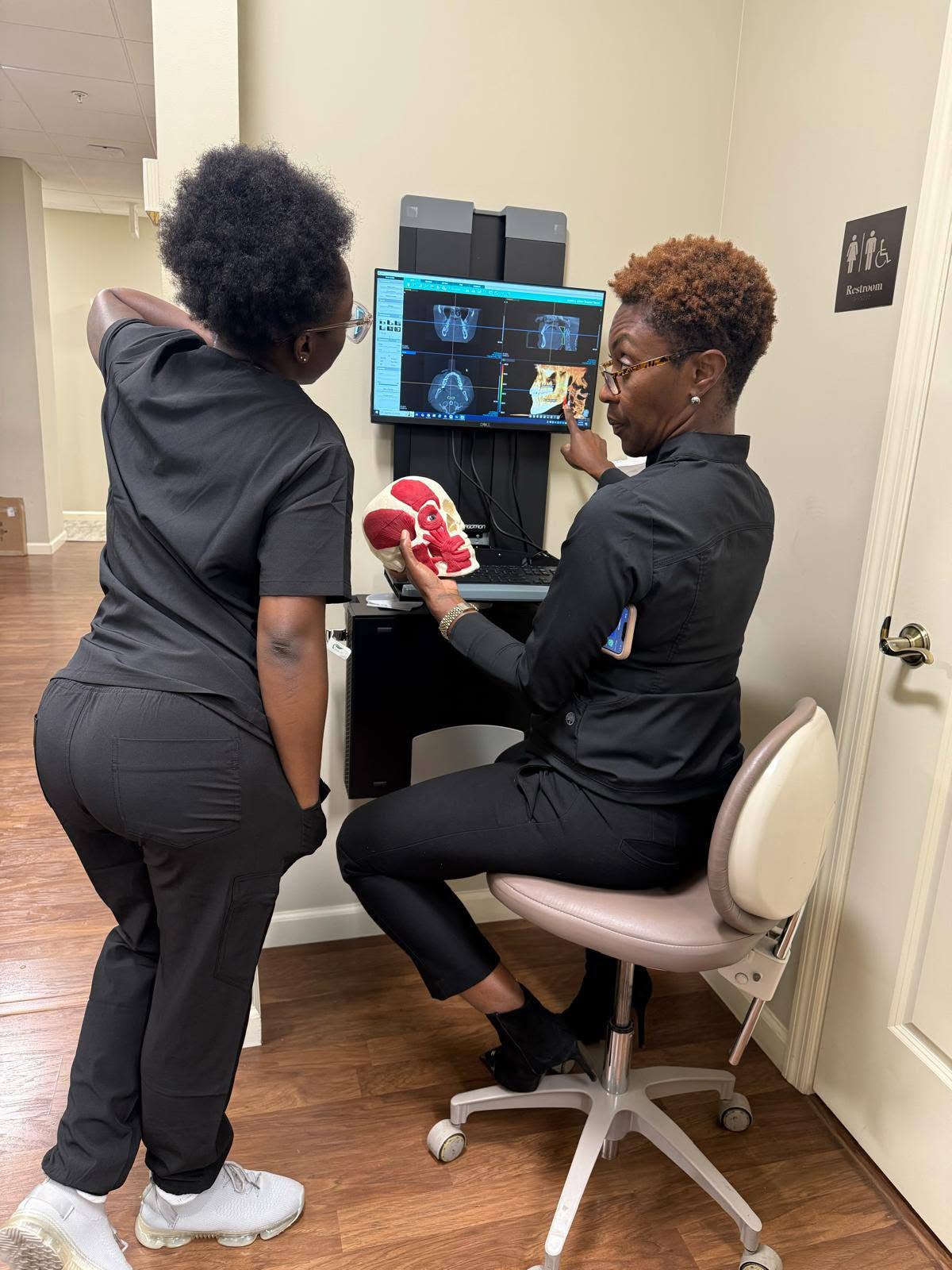
We examine the tooth and take X‑rays. When we need a fuller view of the roots or bone, our Vatech CT scanner gives a 3D image. Dr. Silva then explains whether a crown, an onlay or another option fits.
The Wand, a computer-guided system, delivers anesthetic slowly and steadily. Conscious sedation is available if dental visits make you anxious.
Decay and old filling material come out and the tooth is shaped. The iTero® Element™ scanner records the tooth and your bite digitally, we choose the shade together, and a temporary crown protects the tooth.
We try in the finished crown, check the fit at the gumline, the contacts and your bite, then bond it in place. For patients with jaw or bite concerns, TENS and K7 help us measure how the jaw muscles respond.
Some gum or bite tenderness for a few days is normal. Brush and floss as usual and keep your regular cleanings. If you grind your teeth, a night guard protects the new crown.
"Very professional and was not painful at all. I got two crowns and Dr Silva was wonderful."
Meri Bonavita, Google Review
"I have anxiety about going to the dentist in part around getting drilled and Dr. Silva takes care of me so I am relaxed, calm and not feeling any pain."
Kimberly Moyer, Google Review
The right restoration depends on how much healthy tooth is left and whether the tooth is still there at all. We choose the most conservative option that will hold up to chewing.
| Option | What it covers | Tooth reshaping | Used for |
|---|---|---|---|
| Onlay | One or more cusps of a back tooth | Only the damaged part | Damage too big for a filling, with strong walls left |
| Crown | The whole tooth above the gums | All sides of the tooth | Cracks, large fillings, root canal treated teeth |
| Veneer | The front surface only | A thin layer at the front | Shape and color of healthy front teeth |
| Implant crown | Replaces a missing tooth | None, it sits on an implant | A tooth that is missing or cannot be saved |
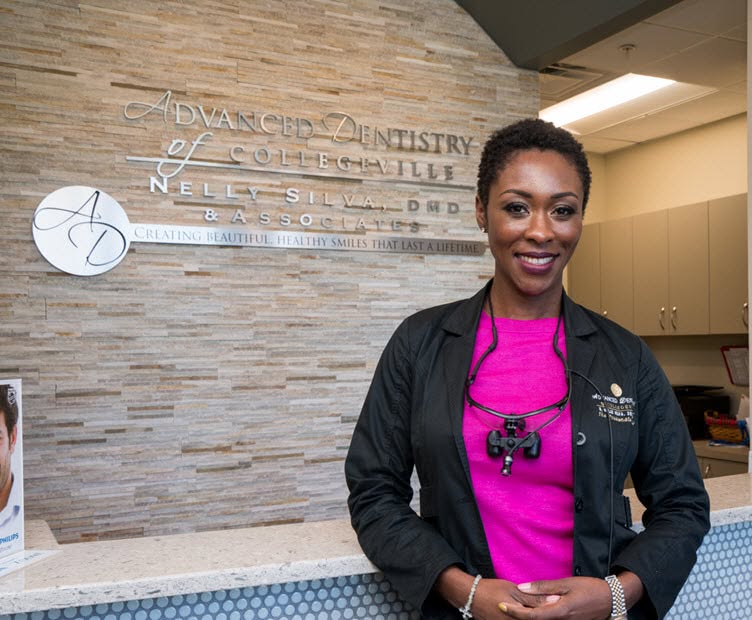
Dr. Silva earned her DMD at Temple University's Kornberg School of Dentistry, where she is now a Clinical Associate Professor. She is a graduate of the Las Vegas Institute for Advanced Dental Studies, a postgraduate center for aesthetic and neuromuscular dentistry, and she invites patients to call her Nelly.
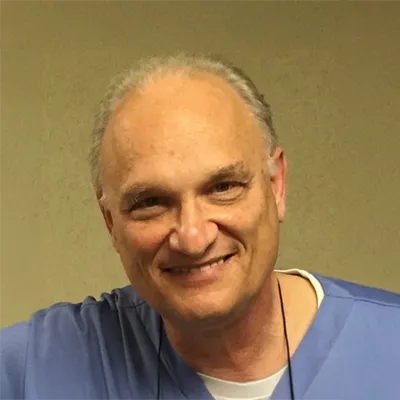
Our periodontist performs crown lengthening when a tooth needs more exposed structure before it can hold a crown.
The cost of a crown depends on the material, the tooth and whether it first needs a build-up, a root canal or crown lengthening. You receive the estimate before any treatment begins.
We accept all PPO dental insurance plans and help you understand your benefits for crowns. Medicaid is not accepted.
Payment plans let you spread the cost of your crown over time.
Patients without insurance can join our dental savings plan.
Straight answers to what patients ask us most before a crown.
Book a ConsultationThe cost depends on the crown material, which tooth it covers and whether the tooth first needs a build-up, a root canal or crown lengthening. We give you a written estimate before treatment starts. We accept all PPO dental insurance plans and also offer payment plans and a dental savings plan for patients without insurance.
Most crowns take two visits. At the first visit we prepare the tooth, record it with a digital scan and place a temporary crown. At the second visit we check the fit and your bite, then bond the finished crown.
The tooth is fully numbed before any work begins, and we use The Wand, a computer-guided system that delivers anesthetic slowly and steadily. Conscious sedation is available for patients with dental anxiety. Mild gum or bite tenderness for a few days afterward is common.
A veneer covers only the front surface of a healthy tooth, so it is a cosmetic choice for shape and color. A crown covers the whole tooth and is the stronger choice when a tooth is cracked, heavily filled or treated with a root canal. At your exam Dr. Silva will tell you which one your tooth needs.
A well-fitted crown can last many years with good care. Brushing, flossing and regular cleanings protect the tooth underneath, and a night guard helps if you grind. Avoid chewing ice or hard objects with any crowned tooth.
A crown needs enough healthy tooth above the gums to hold on to. Sometimes we rebuild the core first, and sometimes our periodontist, Dr. Michael Strassberg, performs crown lengthening to expose more tooth. If the tooth cannot be saved, a dental implant topped with a crown is another option.
Yes. After an implant has fused with the jawbone, a custom crown is attached to it to replace the visible tooth. Dr. Silva received a Fellowship from the American Dental Implant Association and plans implant crowns to match your neighboring teeth and bite.
A cracked or weakened tooth is easier to save early. Book a visit and Dr. Silva will tell you whether it needs a crown.
399 Arcola Road, Collegeville, PA 19426