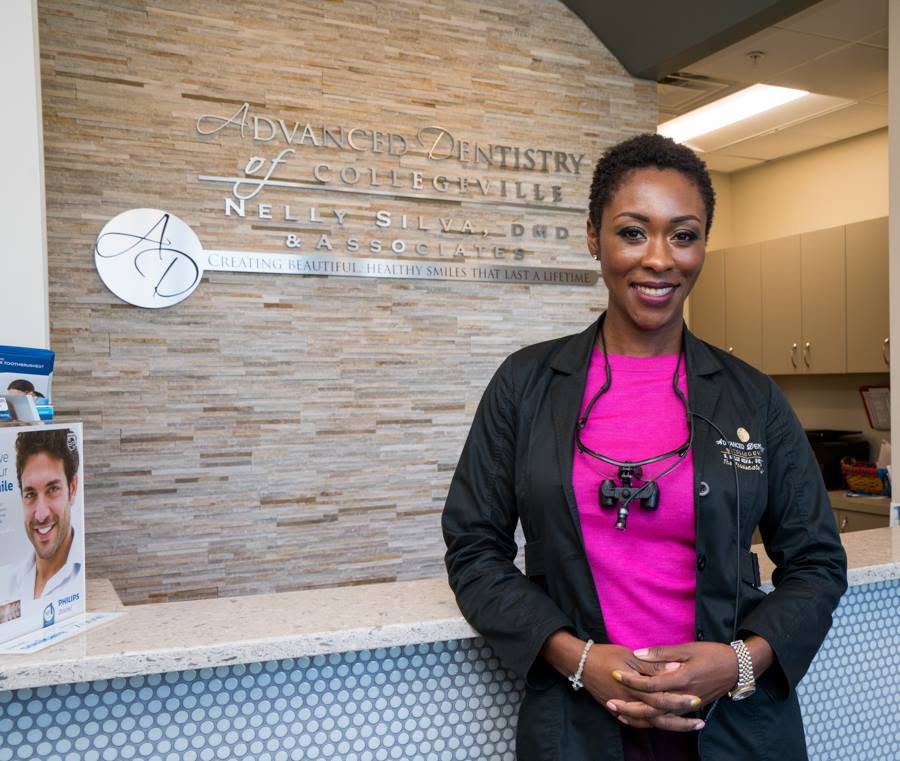
When many teeth are worn, broken or missing, Dr. Nelly Silva rebuilds the whole mouth on one plan, starting with how your jaw and bite work so the new teeth feel right.
 Dr. Nelly Silva, DMD
Each case below was treated by Dr. Silva. Crowns and veneers such as these are often the final phase of a reconstruction.
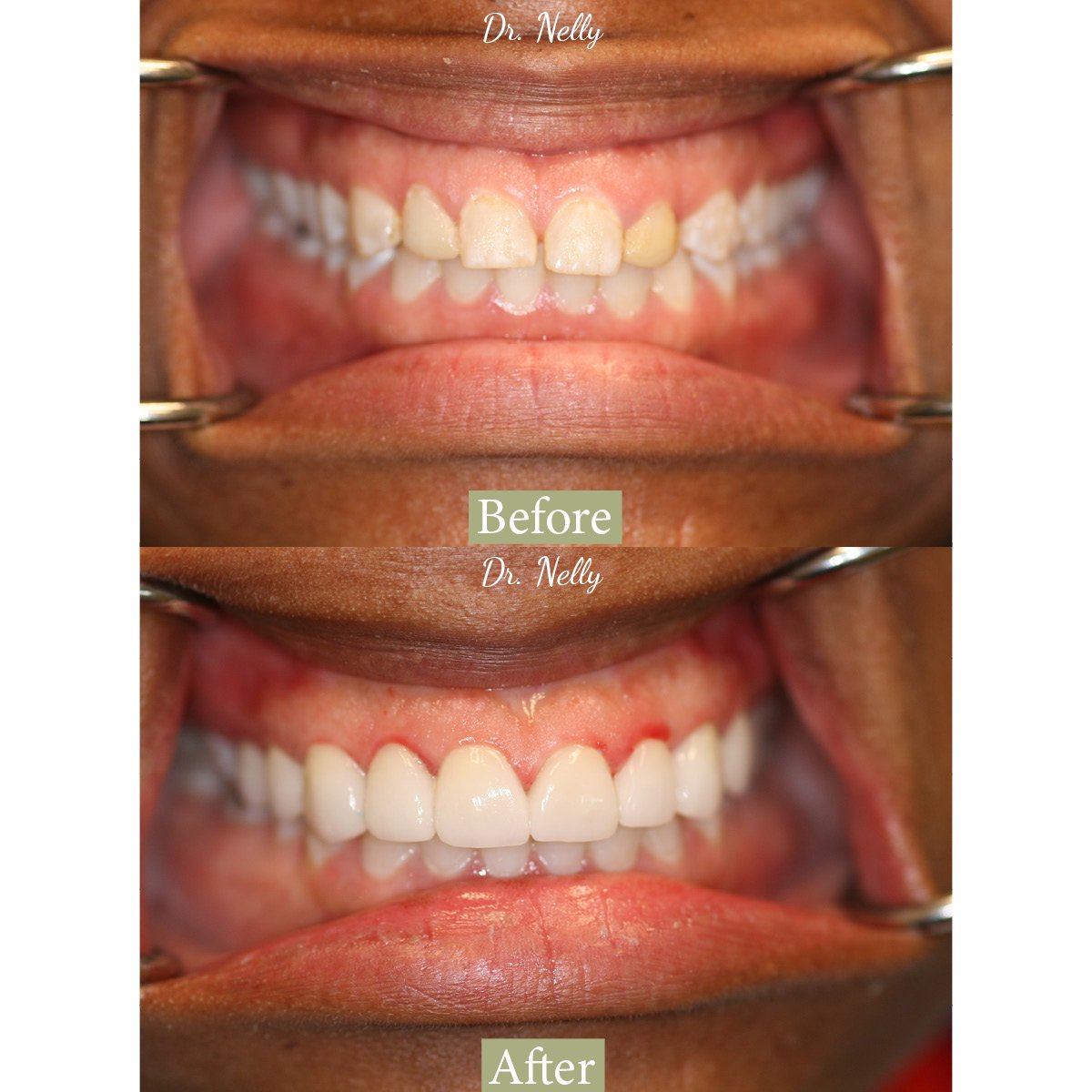

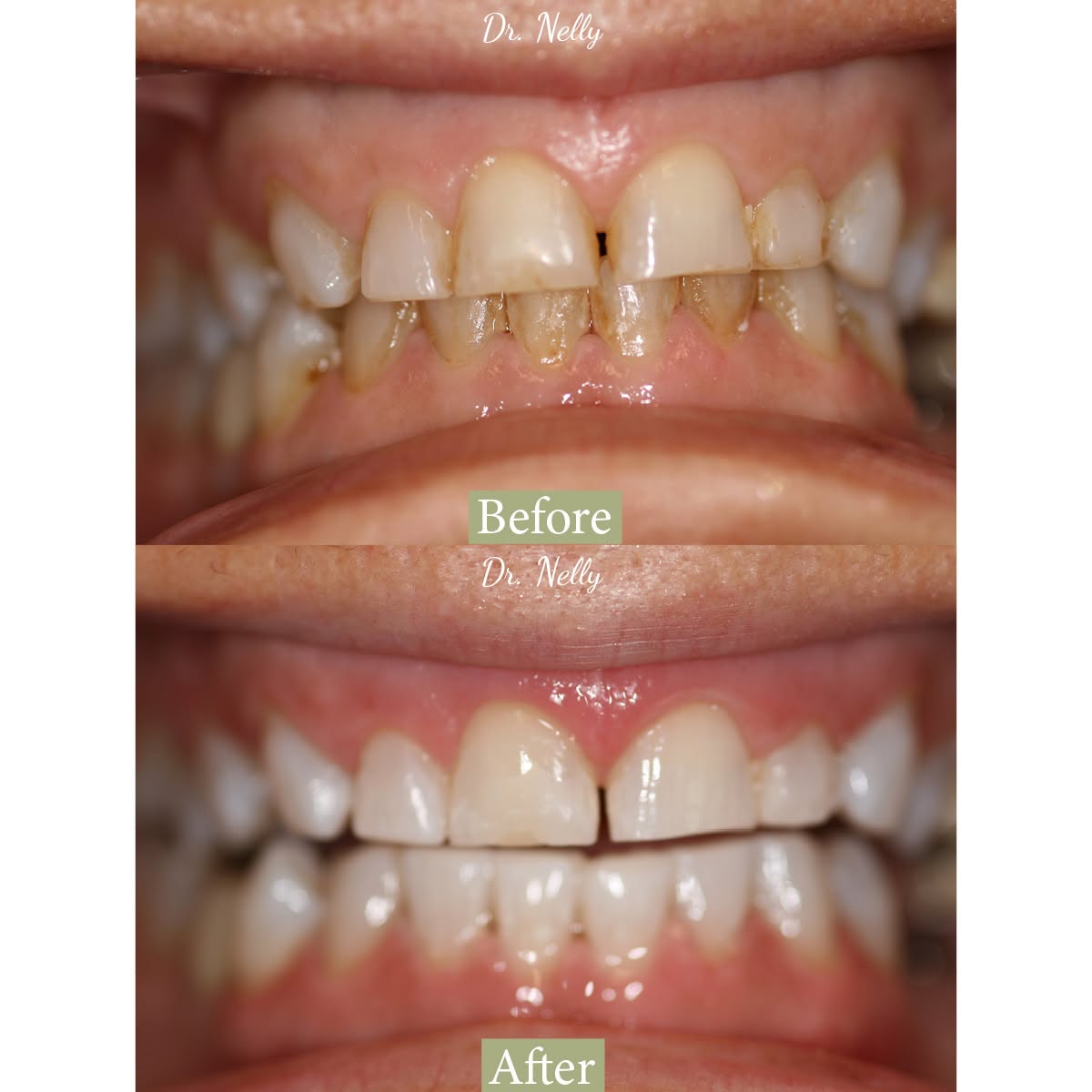
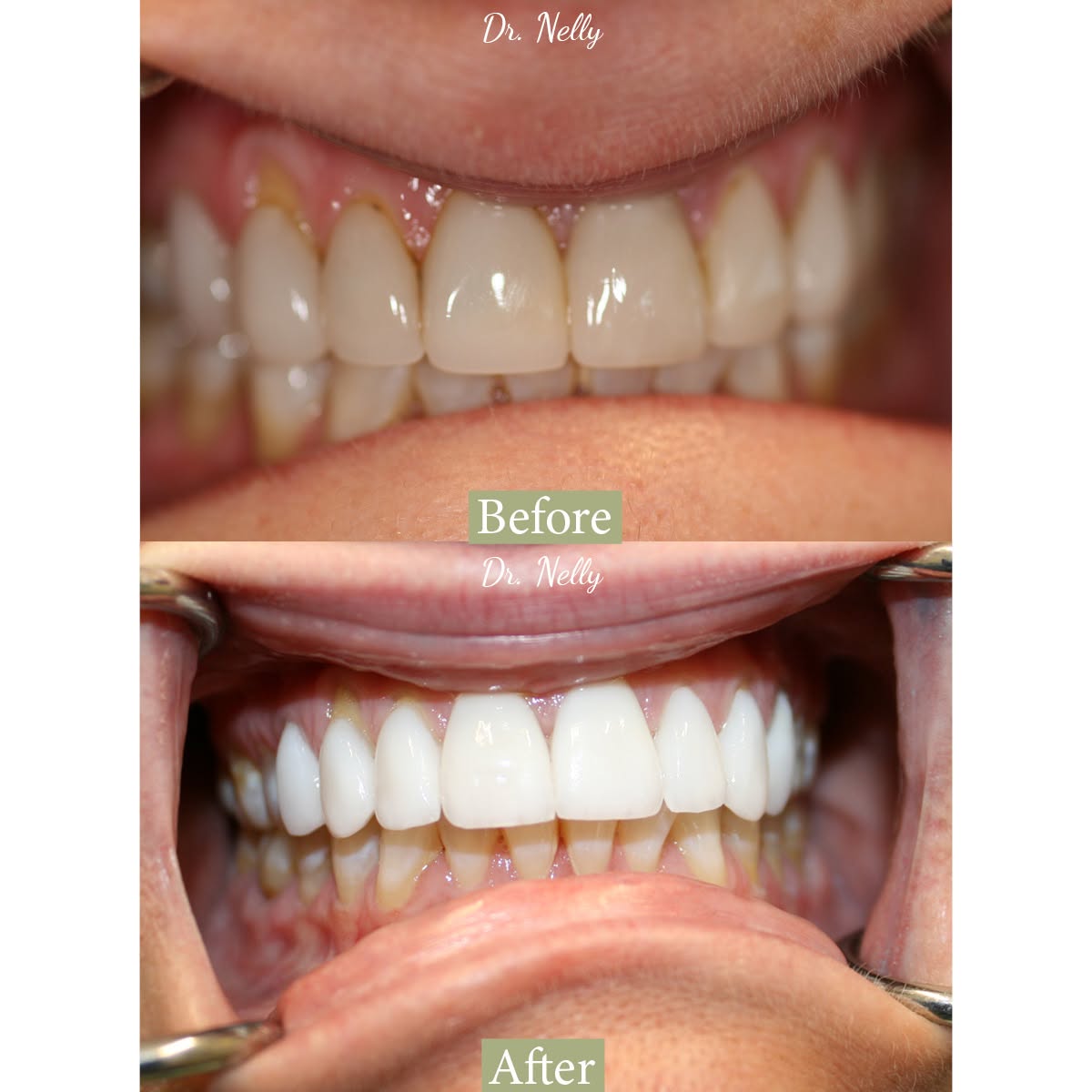
Full mouth reconstruction, also called full mouth restoration or rehabilitation, is a coordinated series of treatments that rebuilds most or all of the teeth in both jaws. It brings the restorative, gum and bite care your mouth needs into one sequence, so each step supports the next.
Dr. Silva plans the finished result first and works backward: healthy gums and bone, then a stable bite, then the teeth you see. At our office it is part of Ageless Dentistry, alongside facial enhancement, because tooth height and lip support are planned together.
Replace missing teeth with a root anchored in the jaw. Dr. Silva holds a fellowship from the American Dental Implant Association.
Cover cracked, worn or heavily filled teeth and span the gap left by a missing tooth.
Replace a whole arch or several teeth, including dentures held in place by implants.
Saves an infected tooth so it can be restored rather than removed.
Treats periodontal disease and rebuilds lost bone so restorations have a sound base.
Corrects how the jaws meet before any final teeth are made.
Reconstruction fits mouths where problems overlap across many teeth. A full plan makes sense when several of these apply at once.
Some patients need far less than a full rebuild, and the evaluation shows which group you are in.
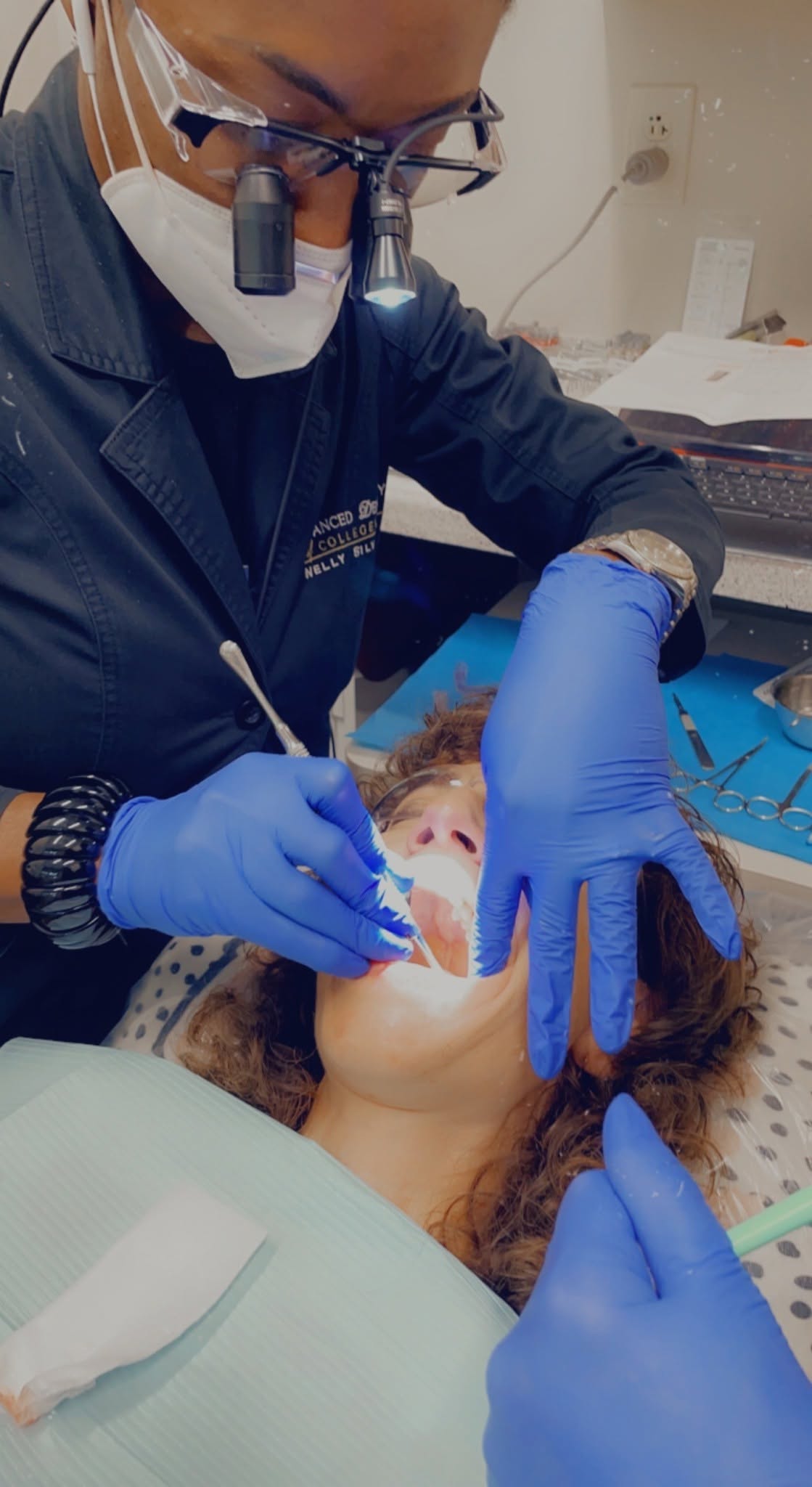
Teeth that look right but meet wrong tend to chip, wear and ache. Dr. Silva trained in neuromuscular dentistry at the Las Vegas Institute for Advanced Dental Studies and completed a TMD residency with the American Academy of Craniofacial Pain, so jaw position is measured before a final restoration is designed. As a Diplomate in Dental Sleep Medicine, she also checks how the plan affects your airway.
TENS relaxes the jaw muscles. K7 records jaw movement and muscle activity, so the bite is set where the muscles rest.
A 3D view of bone, nerves and sinuses that guides implant placement and grafting decisions.
Digital impressions without putty trays, used to design restorations.
Computer-controlled delivery of local anesthetic for steadier numbing.
Treatment runs in phases, so the foundation is sound before anything permanent is placed.
Exam, Identafi oral cancer screening, CT scan, digital scans and bite analysis.
Gum therapy, extractions, root canals or bone grafts come first, so restorations sit on healthy tissue.
Provisional teeth or an orthotic let you test the new bite, look and speech before anything is final.
Implants, crowns, bridges or dentures are placed in planned stages.
Regular cleanings and bite checks, often with a night guard, protect the finished work.
Most plans take several months, with implant and graft healing setting the pace.
Both can change how a smile looks. The difference is why the work is done and how much of the mouth it involves.
| Full Mouth Reconstruction | Smile Makeover | |
|---|---|---|
| Main goal | Restore health, chewing, comfort and bite, with appearance rebuilt along the way | Improve the appearance of teeth that are already healthy |
| Who it suits | Many teeth damaged, missing or failing, often with gum or bite problems | Concerns about color, shape, spacing or chips |
| Typical treatments | Implants, crowns, bridges, dentures, root canals, gum therapy, bite therapy | Whitening, veneers, bonding, clear aligners |
| Bite analysis | Central to the plan from the first visit | Checked as part of the exam |
| Timeline | Several months, in phases | Often a few visits |
Restorative, gum and bite care are coordinated under one roof.

Dr. Silva leads every reconstruction plan, from records through final restorations, and teaches as a Clinical Associate Professor at Temple University's Kornberg School of Dentistry. She invites patients to call her Nelly.
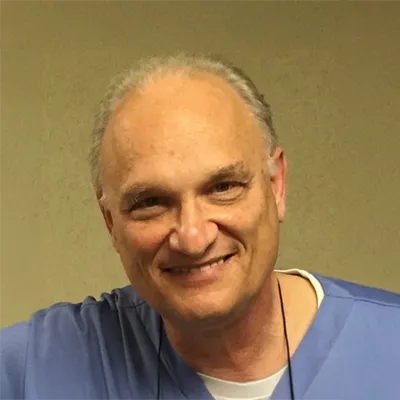
Dr. Strassberg focuses on periodontics: the gums and supporting bone that every crown, bridge and implant depends on. When a plan calls for gum therapy, grafting or crown lengthening, that work stays with the same team that designs your new teeth.
I've been seeing Dr. Silva for over 10 years now. The positive energy, professionalism, modern tools and techniques, and personal touch all keep me and my family coming back.
Steven Meyers, Google review
Very professional and welcoming. Takes time for questions and gives detailed explanations. I felt very comfortable and relaxed.
Lynn Maison, Google review
The fee depends on how many teeth need treatment and which restorations your plan uses, so it is set after your evaluation.
We accept all PPO dental insurance plans. We do not accept Medicaid.
Spread the portion your insurance does not cover.
An option for patients without dental insurance.
Mouth restoration is another name for full mouth reconstruction: a planned series of treatments that rebuilds most or all of the teeth in both jaws. It can combine implants, crowns, bridges, dentures, gum therapy and bite correction.
Treatment is done with local anesthetic, delivered with The Wand in a slow, controlled way, and conscious sedation is available for longer visits or anxious patients. Soreness after surgical steps such as extractions or implants is common and usually settles within days.
Yes. A whole arch can be replaced with full dentures, implant-supported dentures or an implant bridge. Keeping healthy natural teeth is usually the better choice when possible, and your evaluation shows which teeth are worth saving.
Oral surgery is the surgical side of dentistry: extractions, bone grafts, implant placement and gum procedures. In a reconstruction these steps form the foundation phase, and we provide them in our office as part of the same plan.
Most plans run over several months in phases. Implants and bone grafts need healing time before final teeth are placed, while plans built mainly on crowns finish sooner.
We accept all PPO dental insurance plans, and coverage depends on your specific plan. Restorative treatment is more often covered than elective cosmetic work, and payment plans or our dental savings plan can help with the rest.
Longevity depends on the restorations used, your home care and habits such as grinding. A correctly set bite, regular cleanings and a night guard when recommended help protect the work.
One visit maps out what your mouth needs and in what order, so you can decide on treatment with the full picture in front of you.
399 Arcola Road, Collegeville, PA 19426 · 610-489-5555