9 of the Best Ways to Care for Your Dental Implants
Dental implants are great because they allow you to regain normal function of your mouth and restore your smile. Modern implants really do look and feel like natural teeth! They are truly an excellent solution for those who have lost teeth due to tooth decay, injury, or gum disease.
Something you must know though, is that dental implants need to be properly cared for to ensure longevity and to maintain their perfect appearance. Failing to maintain caring for your implants will result in issues such as inflammation, discomfort, pain, bone loss, and disease like peri-implantitis.
Follow these nine steps for long lasting implants and a healthy, happy smile.
Preventing Peri-Implantitis
Once you have dental implants, you need to have a consistent oral health regime that is going to keep your Implants clean. If you don’t, you could develop peri-implantitis, a gum disease of your implants. Similar to periodontal disease, your gums become inflamed and red. They will most likely become sensitive to the touch and bleed when your brush or floss.
Eating also might be painful and peri-implantitis can even cause your dental implants to fall out. All you need to do to prevent this from happening is to follow this vital tips for caring for your dental implants.
- Use a Soft-Bristled Toothbrush
Hard-bristled toothbrushes should always be avoided. They can damage enamel and are particularly bad for dental implants. The hard bristled scratch the surface of the implants, causing irreversible damage.
Look for nylon brushes instead. They have pliable and gently bristles that won’t damage your implants.
- Avoid Abrasive Toothpaste
Any form of abrasion can damage your implants. Ordinary toothpaste tends to be highly abrasive in order to remove plaque and stains, but too much roughness wears down the enamel and dental implants.
- Floss Daily
Flossing is crucial for removing food particles and plaque that accumulates between your teeth and brushing alone does not get rid of these. If you have dental implants, flossing is more important than ever. Unfortunately, it’s easy for plaque to build up around implants.
It’s also important to note that you should switch to an implant-friendly floss to floss daily with.
- Practice Good Oral Hygiene
Continue to brush your teeth twice daily even after getting dental implants. Always use non-abrasive products to protect your implants and ensure longevity. A soft-bristled toothbrush, sensitive toothpaste, non-alcoholic mouthwash, and implant specific floss are your essentials!
Baking soda, bleach, and chlorine cleansers should be avoided! We also recommend not using any intensively flavored oral hygiene products, like mint or cinnamon, because they can cause irritation to the implants.
- Avoid Hard, Hot, or Sticky Foods
Hard food can damage or break your implants and should be avoided at all costs. Similarly, sticky foods can remain around your implants and promote plaque buildup. Hot water, or hot products such as soups, can distort your implants shape.
- Limit Alcohol Consumption
Alcohol is very high in sugar, which promotes tooth decay in normal teeth. However, alcohol is very problematic for dental implants. Not only does it speed up plaque accumulation, but it also slows down the healing process post-dental implant surgery.
As a result, it is especially important to avoid alcohol consumption during the first six months after your implant procedure.
- Quit Smoking
Smoking is really bad for your oral health. If you smoke, you put yourself at a high risk for developing a range of health issues such as tooth decay and cancer.
When it comes to dental implants, smoking dramatically slows down the healing process. It also inflames and weakens the gums around your implants as well as stain your new teeth!
- Visit Your Dentist Regularly
Semi annual trips to your dentist are essential to the health of your mouth. It helps control plaque and tartar buildup and allows you to catch developing issues early on.
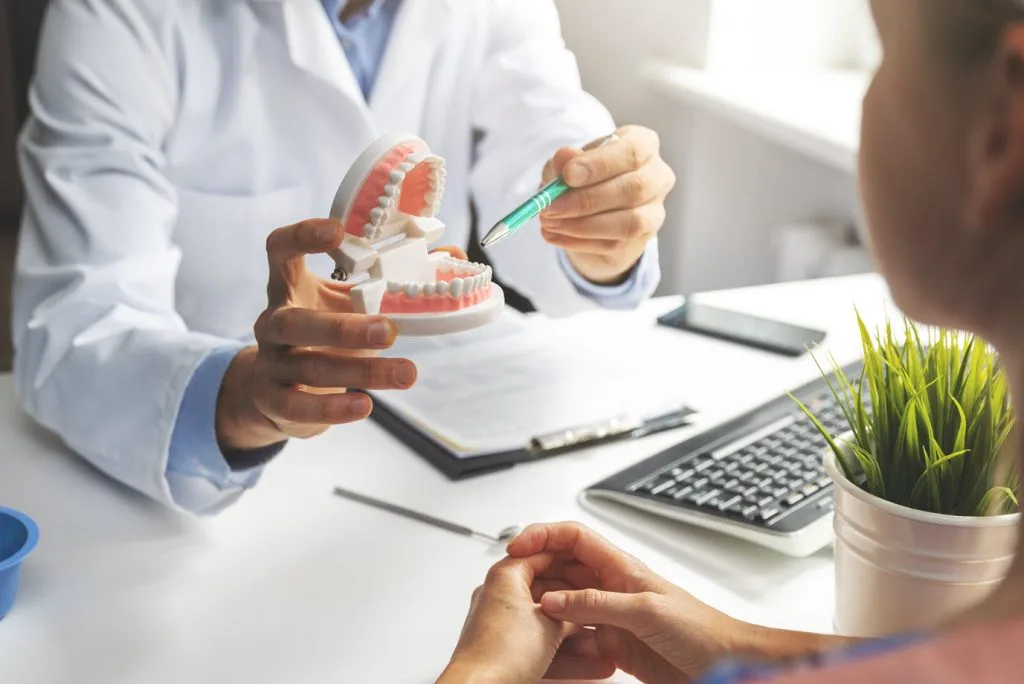
Once you have dental implants, these appointments are also an opportunity to confirm that everything is functioning how it should. Your dentist will check the implants to make sure there are no signs of peri-implantitis or damage.
- Get a Mouthguard for Teeth Grinding
Bruxism, also known as teeth grinding, can permanently damage your regular teeth and your implants. The excessive force puts intense pressure on your implants, which ultimately will cause issues. If your dentist diagnoses you with bruxism, you should get a custom mouthguard to protect your teeth.
Looking for dental implants in Collegeville, PA? Contact Advanced Dentistry of Collegeville today at (610) 489-5555.