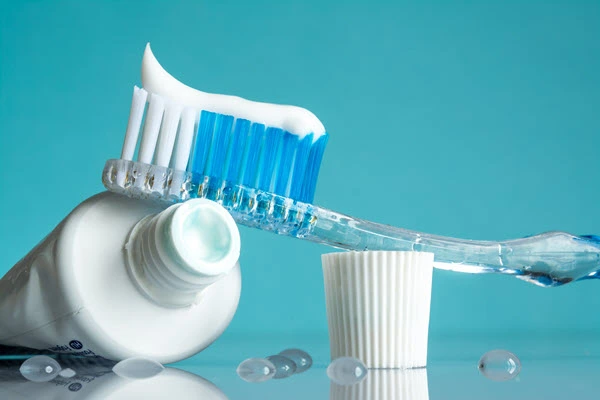
When was the last time you replaced your toothbrush? We throw out expired food and replace used-up cosmetics, but the toothbrush tends to get forgotten and never makes it onto the grocery list. Brushing regularly helps you keep a healthy smile, but your smile won’t stay healthy if you don’t take care of the brush you use every day.
Below we go over when to change your toothbrush, what happens if you don’t change it often enough, how to keep it clean in between, and what to look for when you buy a new one.
When Should I Change My Toothbrush?
The American Dental Association (ADA) recommends changing your toothbrush every three to four months. Over time, toothbrushes go through normal wear and tear: the bristles lose their elasticity, so they can no longer make the gentle sweeping movement you want while brushing, and they become less effective at removing plaque from your teeth and gums. Studies found that around the three-month mark is when the bristles break down, and old, worn toothbrushes don’t reduce plaque as well as new ones.
If you can’t remember exactly how long it’s been, look at the head of your toothbrush. Bristles that are worn, fanned out, frayed, smashed or discolored mean it’s time for a new one, and dark color changes are a sign of mold.
Germs are another reason. We don’t like to think about it, but germs hide and build up between the bristles. Anytime you have a cold or any other illness, change your toothbrush once you’re no longer sick so you don’t risk reinfecting yourself. Many people forget this step.
What Happens If I Don’t Change My Toothbrush Often Enough?
Bacteria and fungus build up on a toothbrush over time, and that isn’t the only risk. An old, ineffective toothbrush leaves plaque behind, which can damage your gums and lead to gingivitis. Left untreated, gingivitis leads to infection, which can ultimately cause teeth to fall out.
Even more unpleasant: you can get sick from an overused toothbrush. A toothbrush can grow mold or collect unwanted particles, especially if it’s stored near a toilet.
Anyone running to the store to change their toothbrush yet?
How to Keep Your Toothbrush Clean
- Rinse your toothbrush thoroughly after each use, then store it upright, uncovered, so it can air dry. Don’t keep it in a closed container, because bacteria grow faster in dark, damp spaces.
- Keep it away from other used toothbrushes, and never share your toothbrush. Everyone has bacteria in their mouth, and you don’t want someone else’s.
- When you travel, cover the toothbrush head to protect the bristles and reduce the spread of germs.
- If you use a toothbrush sanitizer, check the label to make sure the product has been approved by the FDA.
What to Consider When Shopping for Dental Products
Ask your dentist or hygienist at your next checkup what you should buy for your own teeth. Common suggestions are a toothbrush with soft bristles, because hard bristles can damage your gums and teeth; a toothbrush head small enough to touch only one or two teeth at a time; a toothpaste with fluoride; and a mouthwash. Most importantly, don’t forget to floss!
Electric toothbrushes are also a great choice. They have been shown to improve oral health beyond what a manual toothbrush can do, and to reduce the amount of plaque on the teeth of people with periodontal disease.
Book your dental checkup and cleaning today and ask us which toothbrush and dental products will work best for you. Call our office at (610) 489-5555.